
Pilot Runner: Fondazione Accademia Teatro alla Scala (Italy)
This Open Pilot, hosted by Fondazione Accademia Teatro alla Scala in Milan, Italy, explores how CYANOTYPES can support the digitalisation of training design in the performing arts sector. The pilot focuses on pedagogical staff, training programme coordinators, and educational designers from the Stagecraft and Management Departments, including areas such as costume, multimedia, technical theatre, stage management, production management, and performing arts management.
The pilot creates a positive and exploratory space for staff to engage with artificial intelligence, digital tools, and competence-based training design. Its purpose is not simply to introduce new technology, but to help trainers and course designers reflect critically on how digital strategies can strengthen contemporary performing arts education.
Aims of the pilot
The pilot aims to provide an AI-literacy and upskilling opportunity for pedagogical staff, contributing to the digitalisation of training design at Accademia Teatro alla Scala. It uses the CYANOTYPES Framework as a meta-design tool to help frame and update curriculum content, inform long-term institutional planning for upskilling and reskilling, and create shared reference points for trainers and course designers.
The pilot pays particular attention to the fair and thoughtful use of AI in co-creation and project-design processes. While the whole spectrum of CYANOTYPES agency areas was considered, the initial focus was especially connected to Value-Creating Agency and Regenerative Agency, with space left for participants to identify further relevant competence priorities through the process.
Activities undertaken
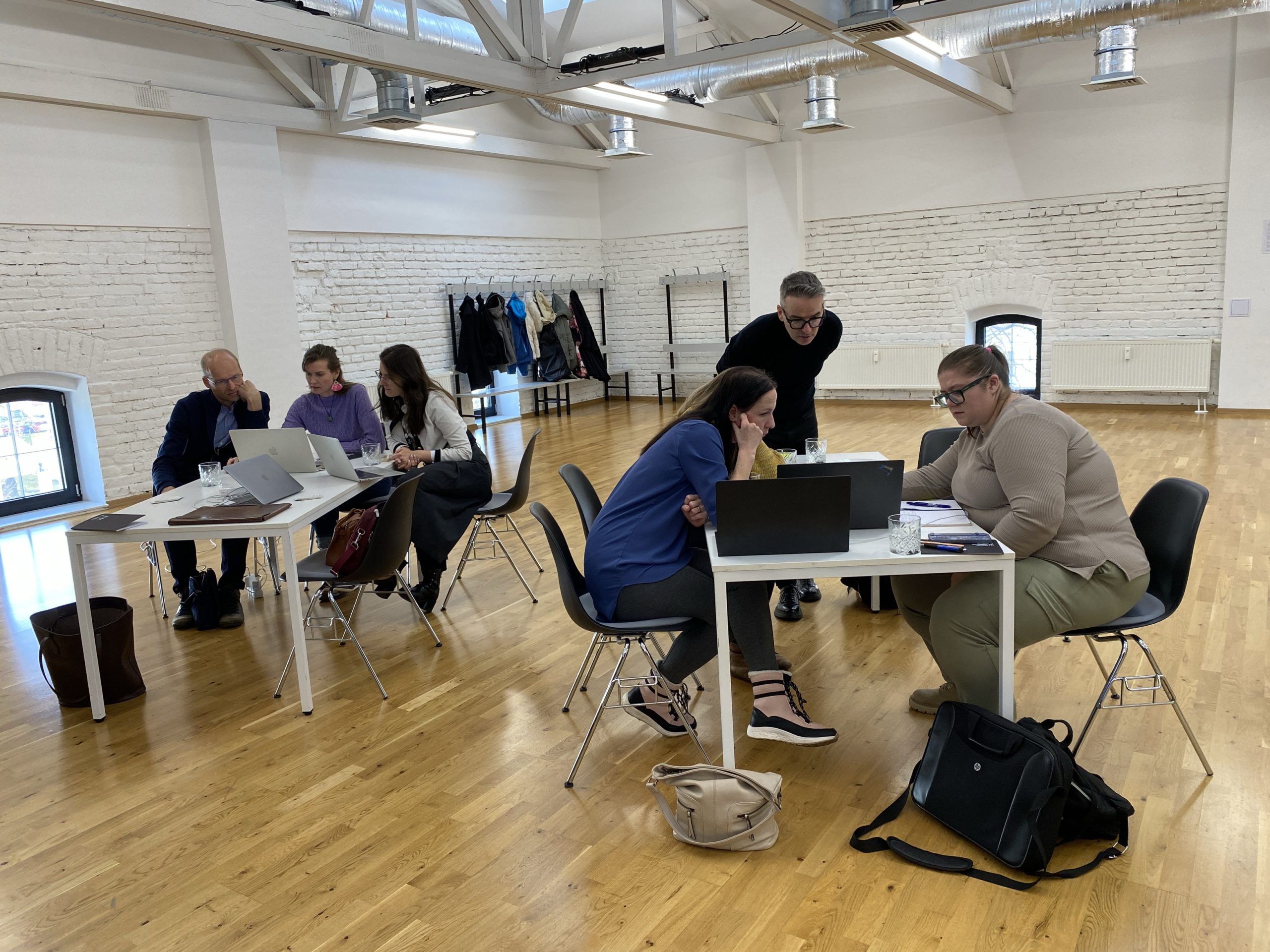
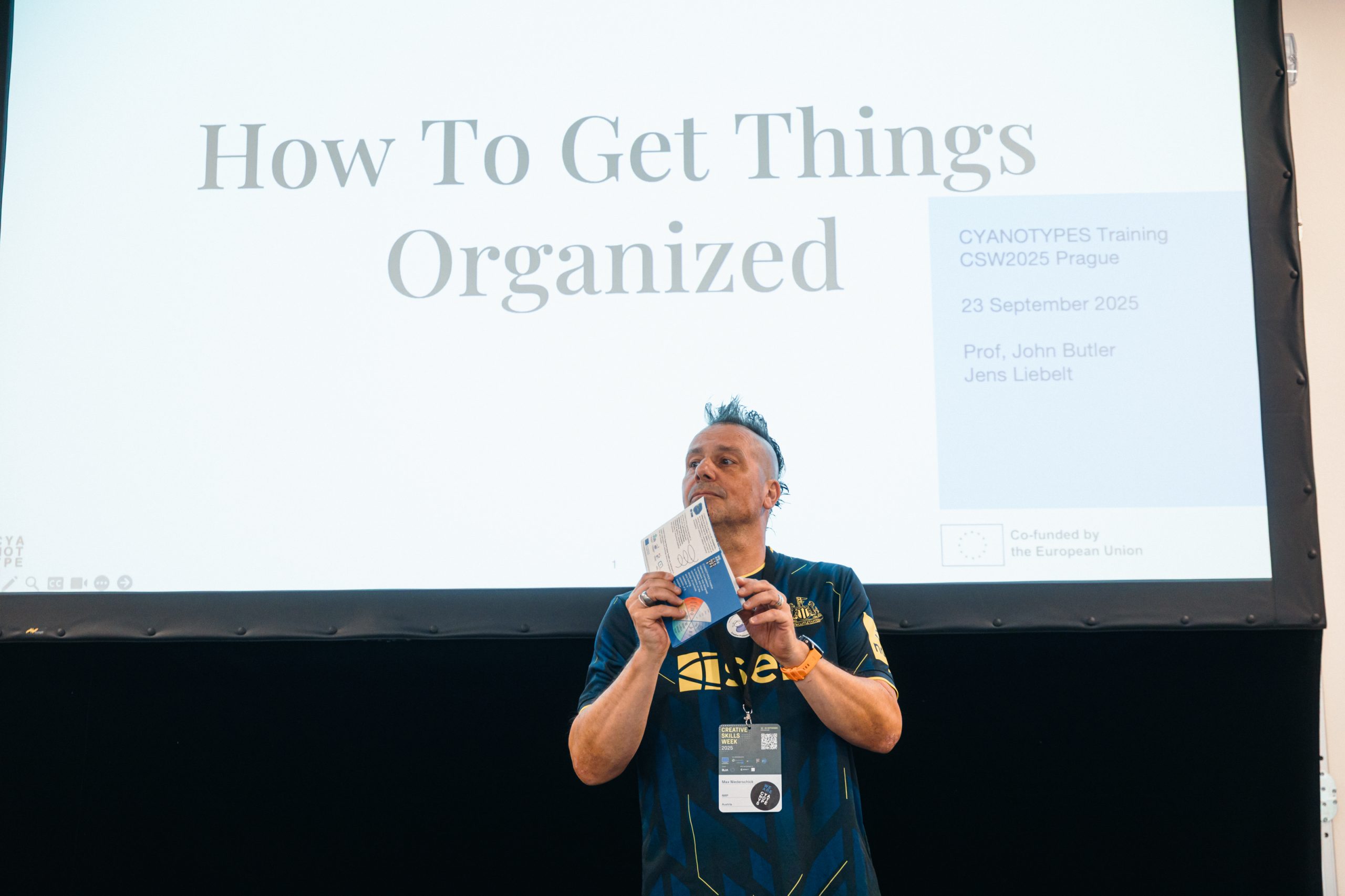
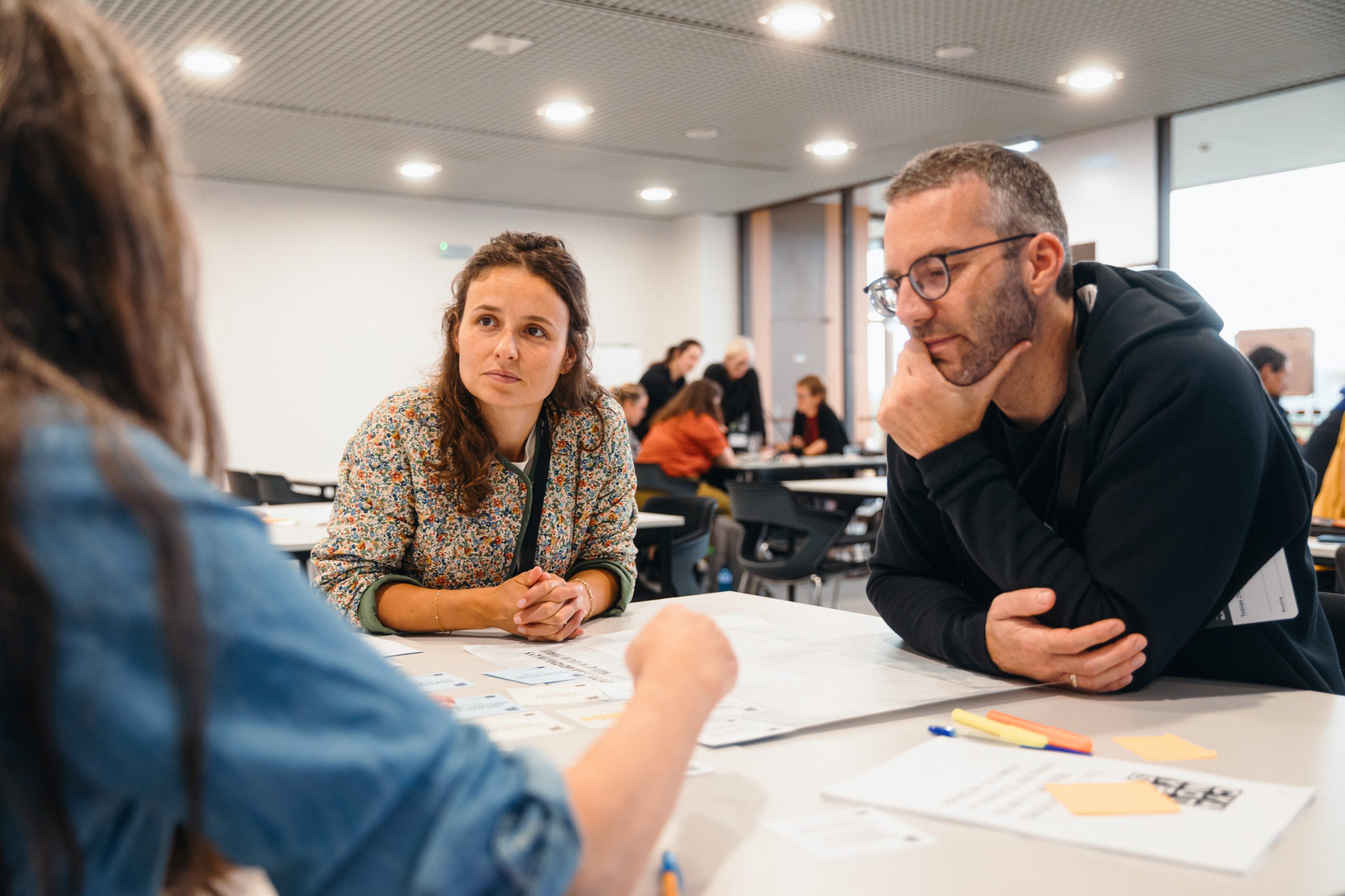
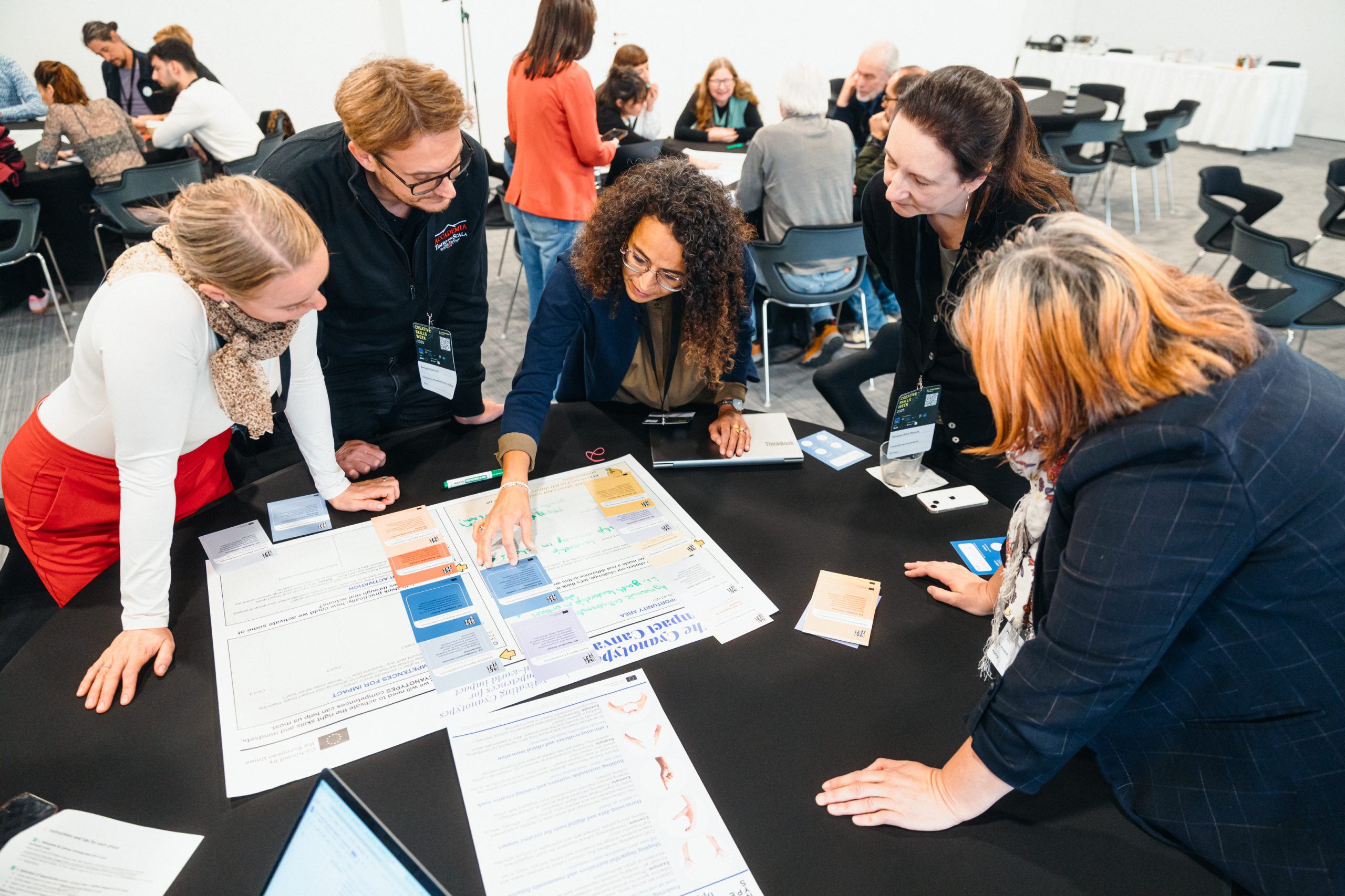
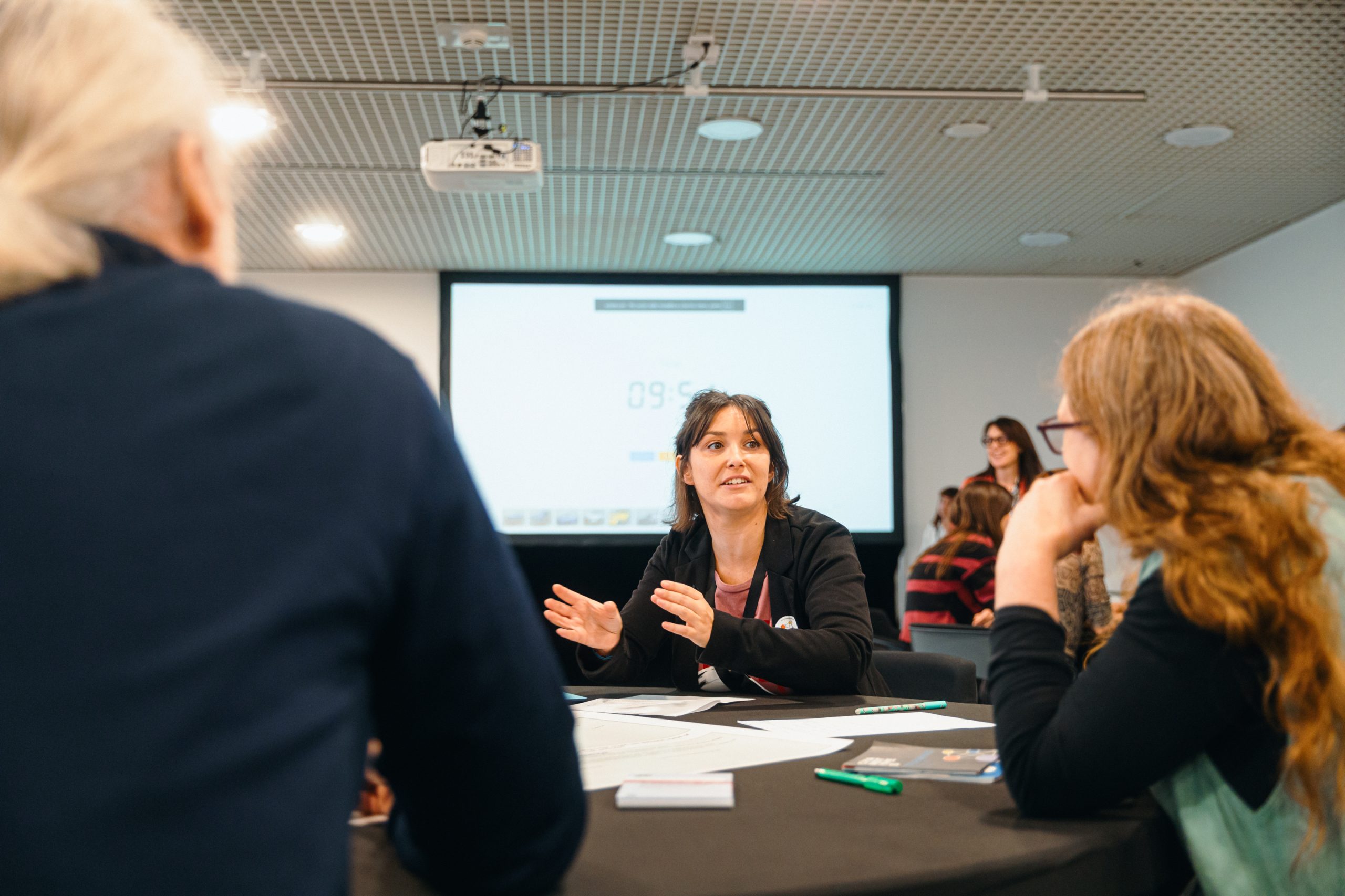
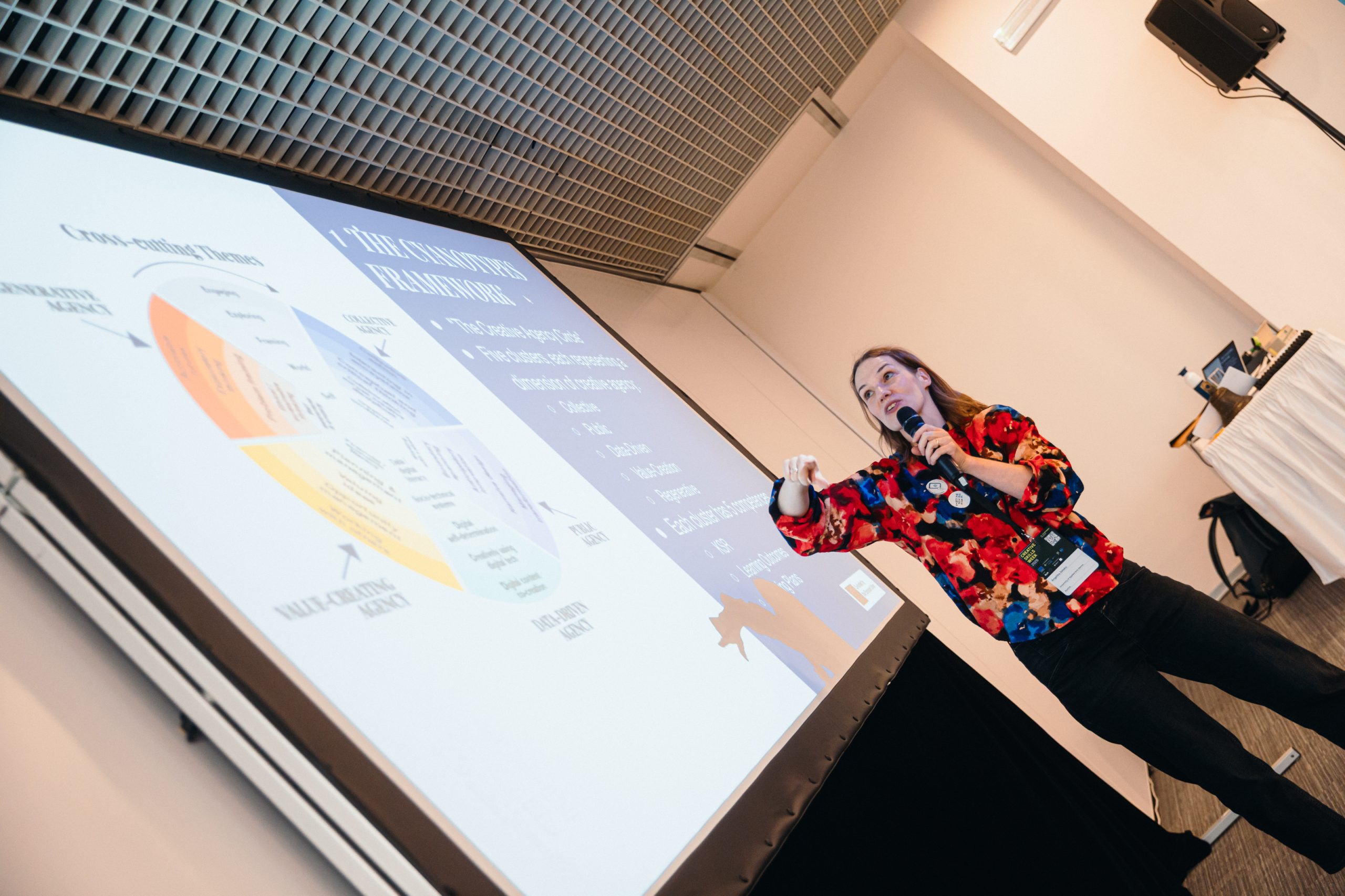
The pilot involved 7 experts and was designed around a sequence of workshops, reflection, and desk research. The planned activities included an informative full-day workshop, a hands-on workshop, a full-day feedback session, and accompanying desk research. The timeline included preparation and design from June to August 2025, a CYANOTYPES workshop during Creative Skills Week in September 2025, pilot redefinition in September and October, co-design workshops in autumn, and evaluation and reporting in December 2025.
The pilot built on Accademia Teatro alla Scala’s strong practice-based learning tradition, where teaching is rooted in direct experience, learning by doing, internships, performances, exhibitions, and professional artistic production. This made the pilot especially relevant as a bridge between established hands-on performing arts education and emerging digital and AI-supported training practices.
Outcomes and early learning
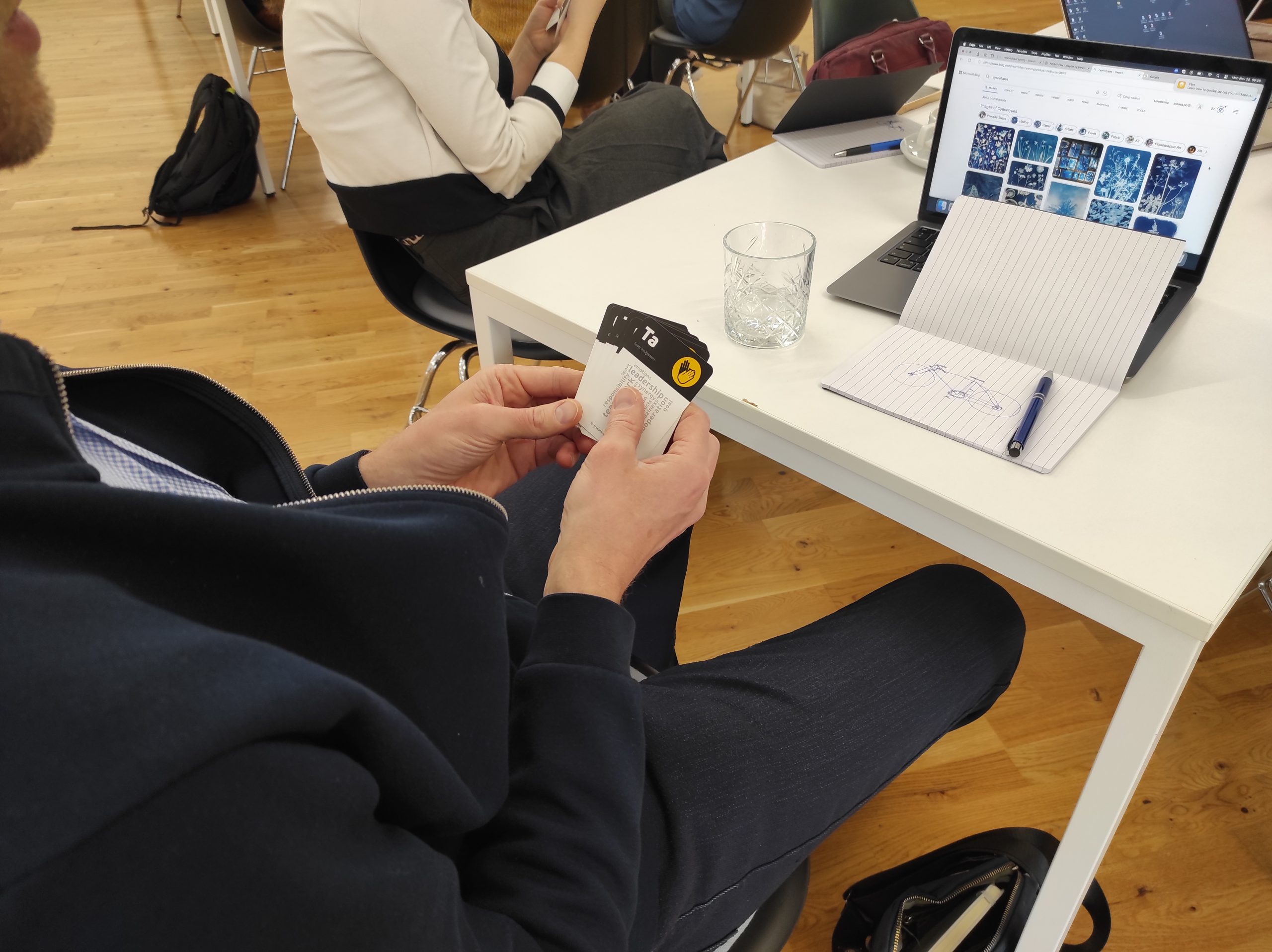
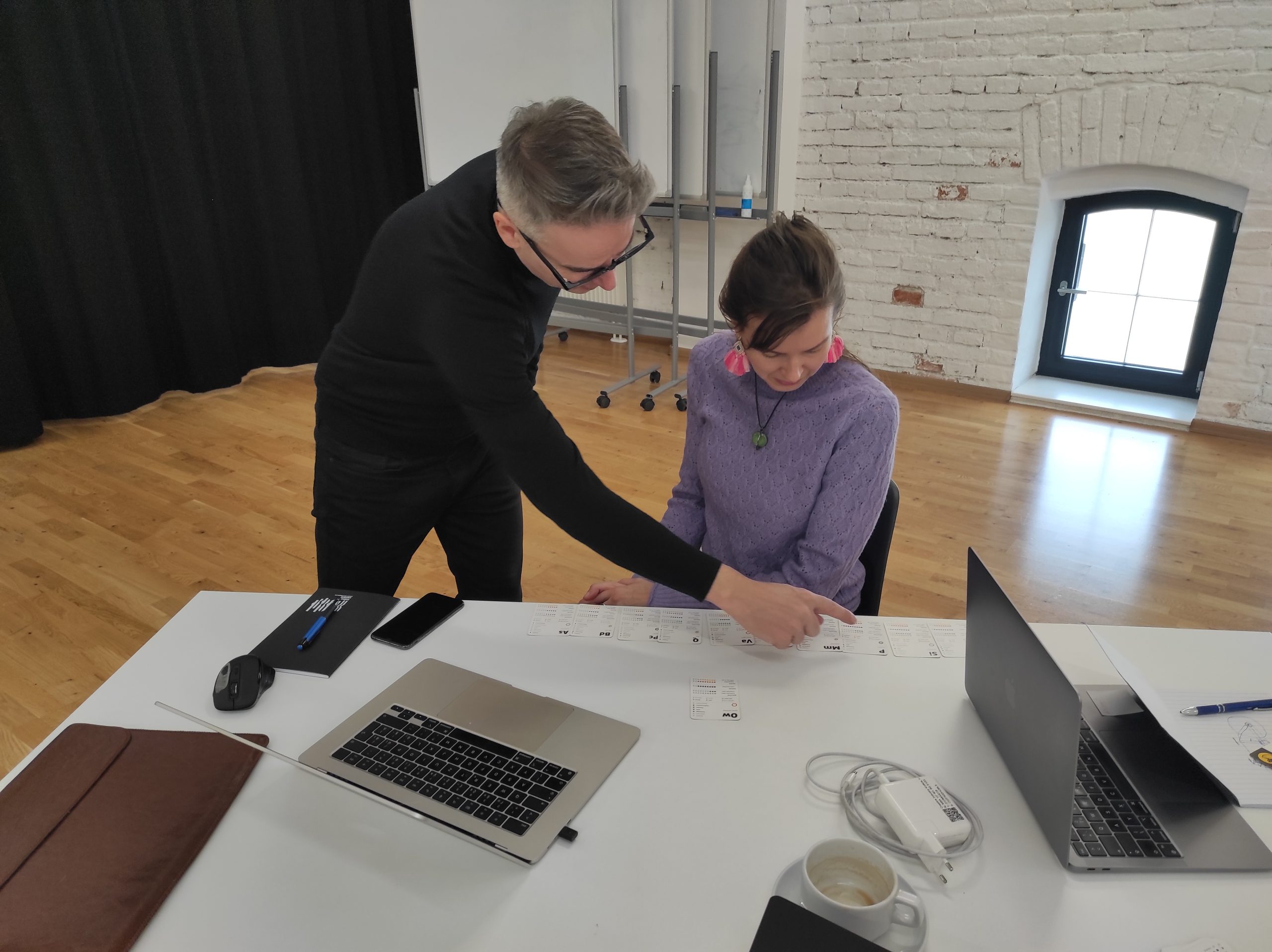
The pilot generated a structured space for pedagogical staff and training designers to reflect on how digital technologies, especially AI tools, can influence training design in the performing arts sector. Participants experimented with AI-supported tools, prompting techniques, and digital interaction practices, helping them understand both the opportunities and limitations of these tools in educational contexts.
One of the most important outcomes was the identification of a digital literacy gap among participants. Many had limited prior experience with AI technologies, which made the pilot a useful first step in building awareness, confidence, and openness toward experimentation. The CYANOTYPES framework also helped participants discuss transversal competences such as digital literacy, creative experimentation, ethical awareness, and collaborative practice.
For the organisation, the pilot stimulated reflection on how CYANOTYPES could inform future curriculum development, professional development for trainers, and the gradual integration of digital competences and AI literacy into training programmes. It also suggested possible future directions, including lifelong learning courses for alumni, micro-credential-based training, and knowledge transfer to other fine arts and music academies in Italy.
Adding value
The pilot is also helping the team understand what needs further adaptation before the approach can be scaled. Its value lies not only in the student outputs, but also in what it reveals about timing, learner readiness, teaching formats, and how the CYANOTYPES competences can be made meaningful in a specific educational context.
Possible policy recommendations
This pilot suggests that policy makers, funders, and education leaders should support competence-based digital upskilling for trainers in specialised creative education settings, particularly where traditional craft, artistic, technical, and management practices are being reshaped by digital transformation. Performing arts education needs policy support that goes beyond equipment or software access: it requires time, professional development, ethical guidance, and curriculum space for staff to experiment with AI and digital tools in ways that respect artistic practice.
Policy support could focus on funding iterative pilots for AI literacy in cultural and creative education, recognising trainers as a priority group for lifelong learning, supporting micro-credentials for digital and transversal competences, and enabling knowledge transfer between performing arts academies, VET providers, higher education institutions, and cultural organisations. This would help institutions such as Accademia Teatro alla Scala update training design while preserving the depth of practice-based artistic learning.
Website: https://www.accademialascala.it/
“Creativity is not just a skill; it is a form of agency. The world is changing quickly, and we need frameworks that anticipate change.”
— David Crombie, CYANOTYPES Project Coordinator
Take the challenge: Run a CYANOTYPES Pilot
The CYANOTYPES team invites networks and institutions to take the next step. Lead the transformation by testing and adapting the CYANOTYPES Framework in your own context through tailored Open Pilots.
Start by exploring the CYANOTYPES Toolkit, a practical resource offering frameworks, cards, and templates to guide your organisation through its own journey of unlearning and relearning.
If you are interested in piloting the CYANOTYPES Framework, register here. CYANOTYPES partners will get in touch with you.
Discover examples from partner pilots and scenarios that may help you design your own pilot:
Read updated practical information of the CYANOTYPES Framework: