Pilot Runner: Accademia delle Arti e Nuove Tecnologie — AANT (Italy)
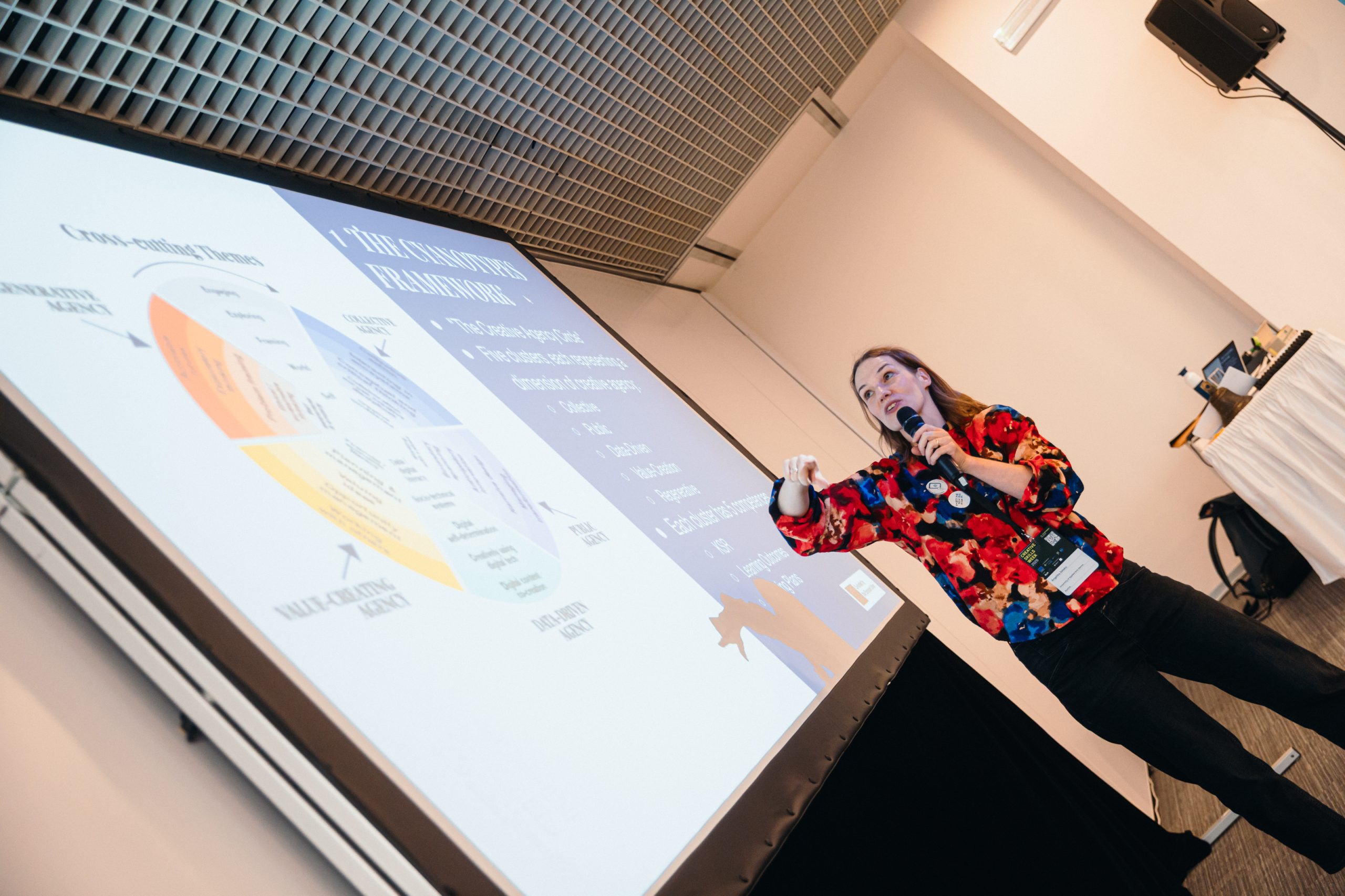
This Open Pilot, hosted by Accademia delle Arti e Nuove Tecnologie — AANT in Rome, Italy, explores how the CYANOTYPES Competence Framework can support critical, creative and interdisciplinary education in the field of generative artificial intelligence. The pilot focuses on the use of AI in arts, design, multimedia communication and human–machine co-creation.
The pilot creates an ambitious learning and research space where students, educators, artists, designers and external partners can investigate generative AI not only as a technical tool, but as a cultural, ethical and creative field of practice. Its aim is to promote an AI culture that combines creativity, ethics, critical awareness and interdisciplinary experimentation.
Aims of the pilot
The pilot aims to integrate CYANOTYPES competences into GenIALab’s research and teaching practices, supporting the development of emerging competences for creative professionals working at the intersection of art, technology and society. The framework will be used as a tool for curriculum design, self-assessment and learning development in generative and human–machine co-creation research practices.
The intended outcomes include a replicable educational model for emerging creative competences in AI-related fields, a prototype “Generativist Curriculum” based on reflective and transdisciplinary learning, a competence and learning trajectory map for students, educators and creative professionals, and an institutional policy document for adopting the CYANOTYPES framework within AANT and the GenIALab partner network.
The pilot identifies competence areas linked to co-creation and participation in cultural ecosystems, digital literacy and data awareness, experimenting with new value models in creative industries, regenerative innovation and sustainable design, and policy awareness and cultural mediation. One point to check before publication: these are expressed in the source document as T-codes, so they may need aligning with the official CYANOTYPES competence codes and names before final use.
Activities undertaken
The pilot will involve approximately 60–80 direct participants, including around 20 faculty members and researchers, 40 students, and 10–20 external partners. It is also expected to reach around 200 indirect beneficiaries through events, publications, and open sessions. The primary participants include AANT teaching staff and researchers, students in design, visual arts and multimedia communication, and professional artists and designers engaged in advanced training. Secondary stakeholders include cultural institutions, creative industries, technology startups, research centres, museums, curators and policy makers in digital culture.
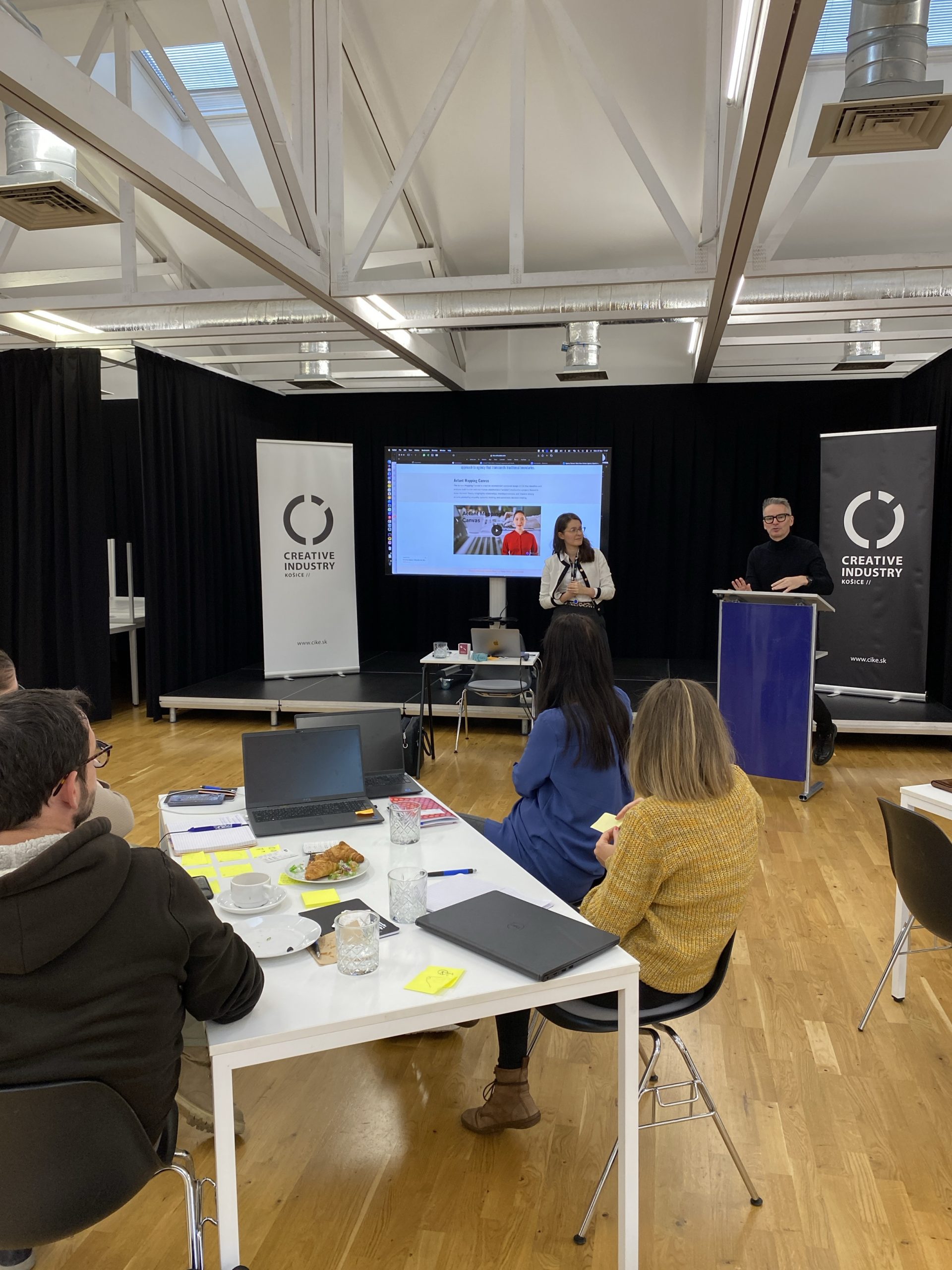
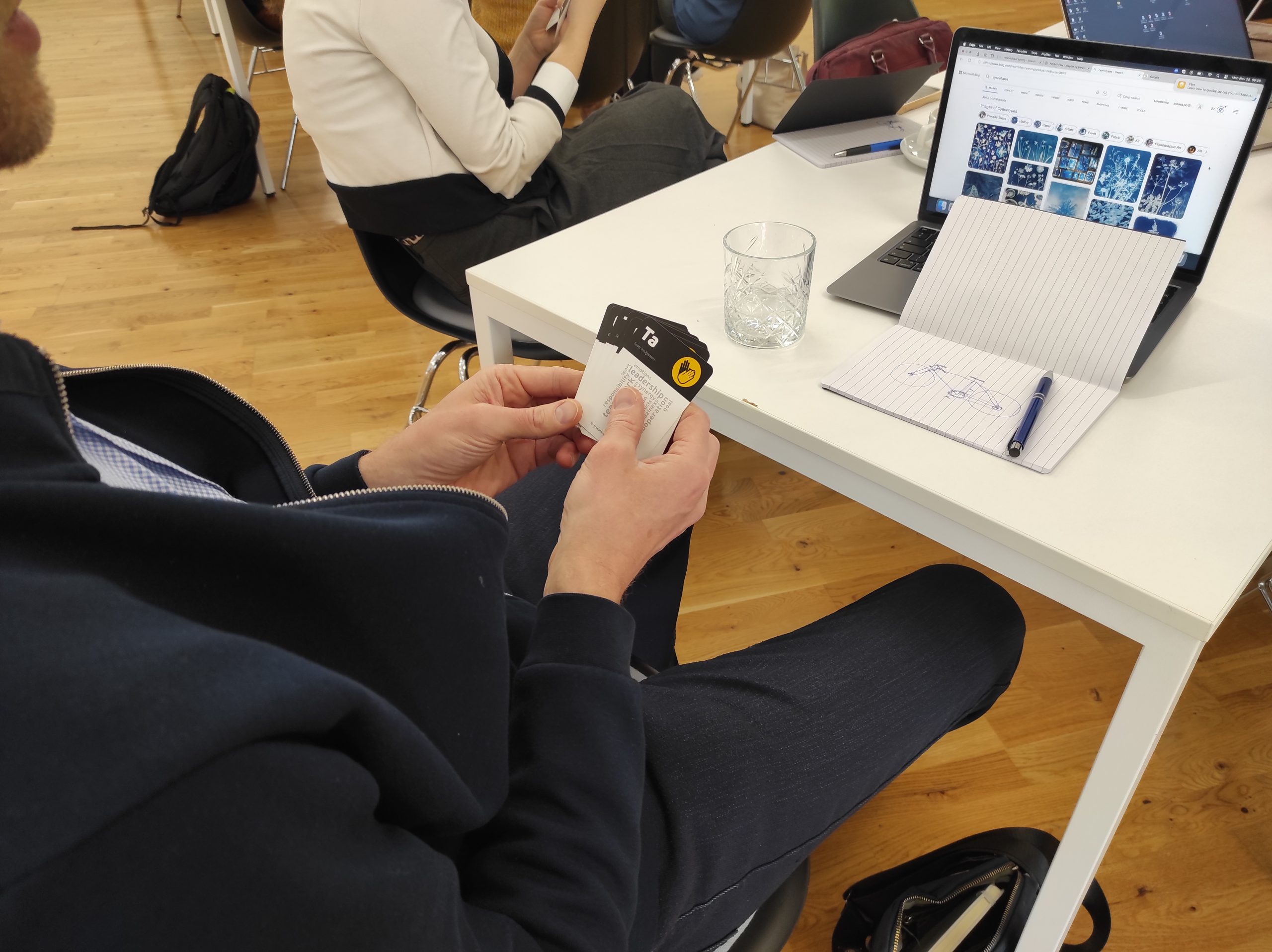
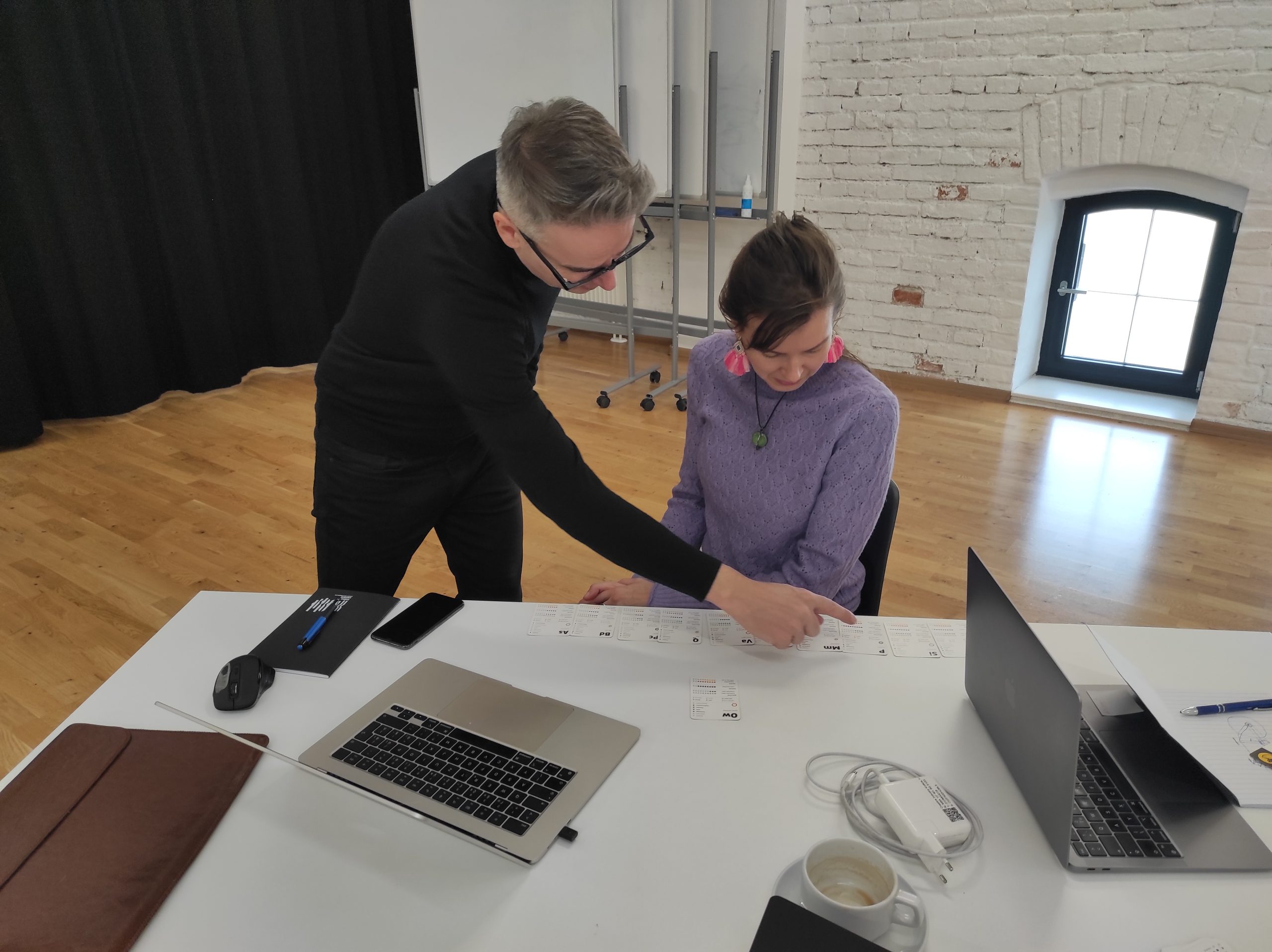
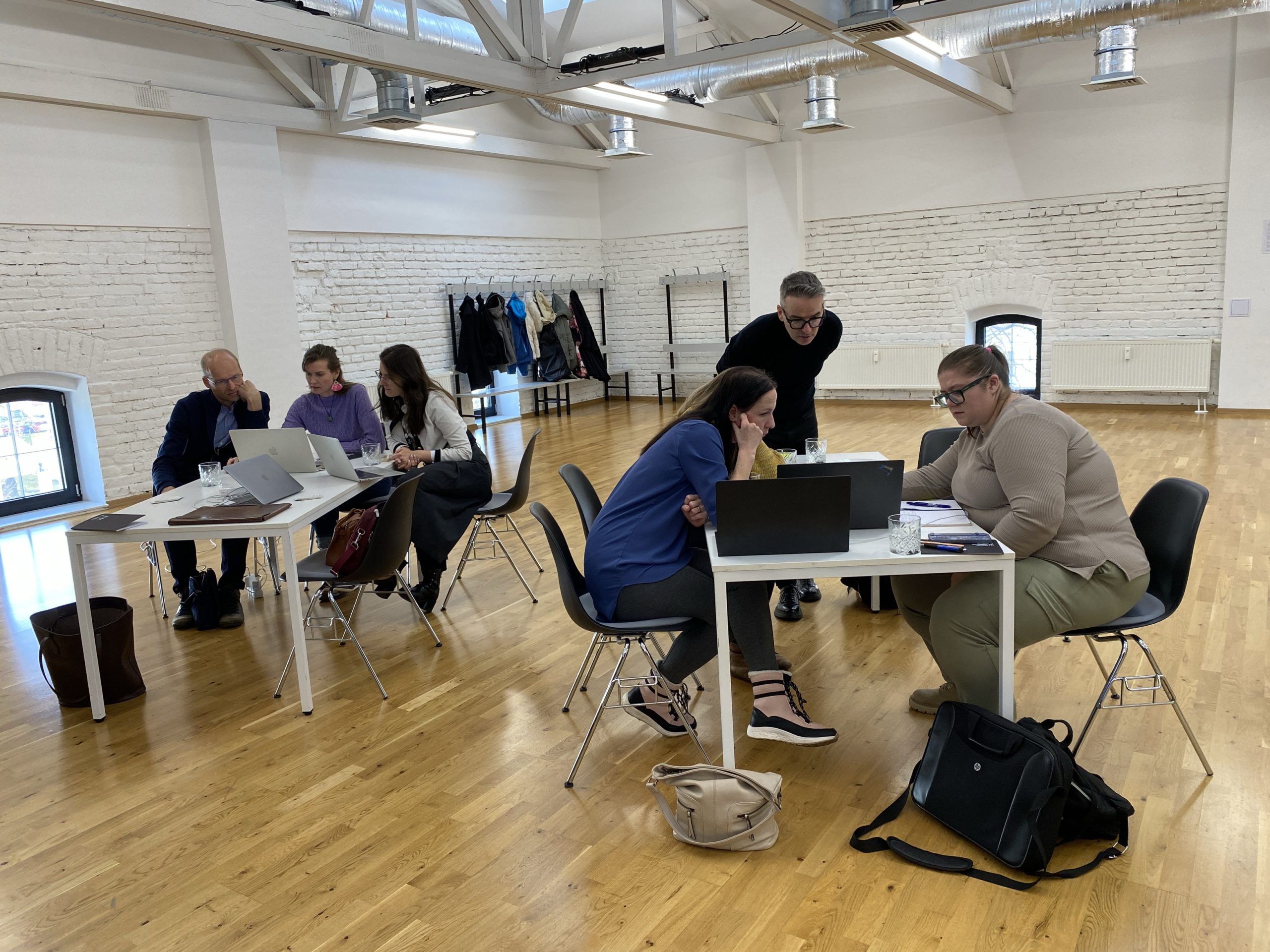
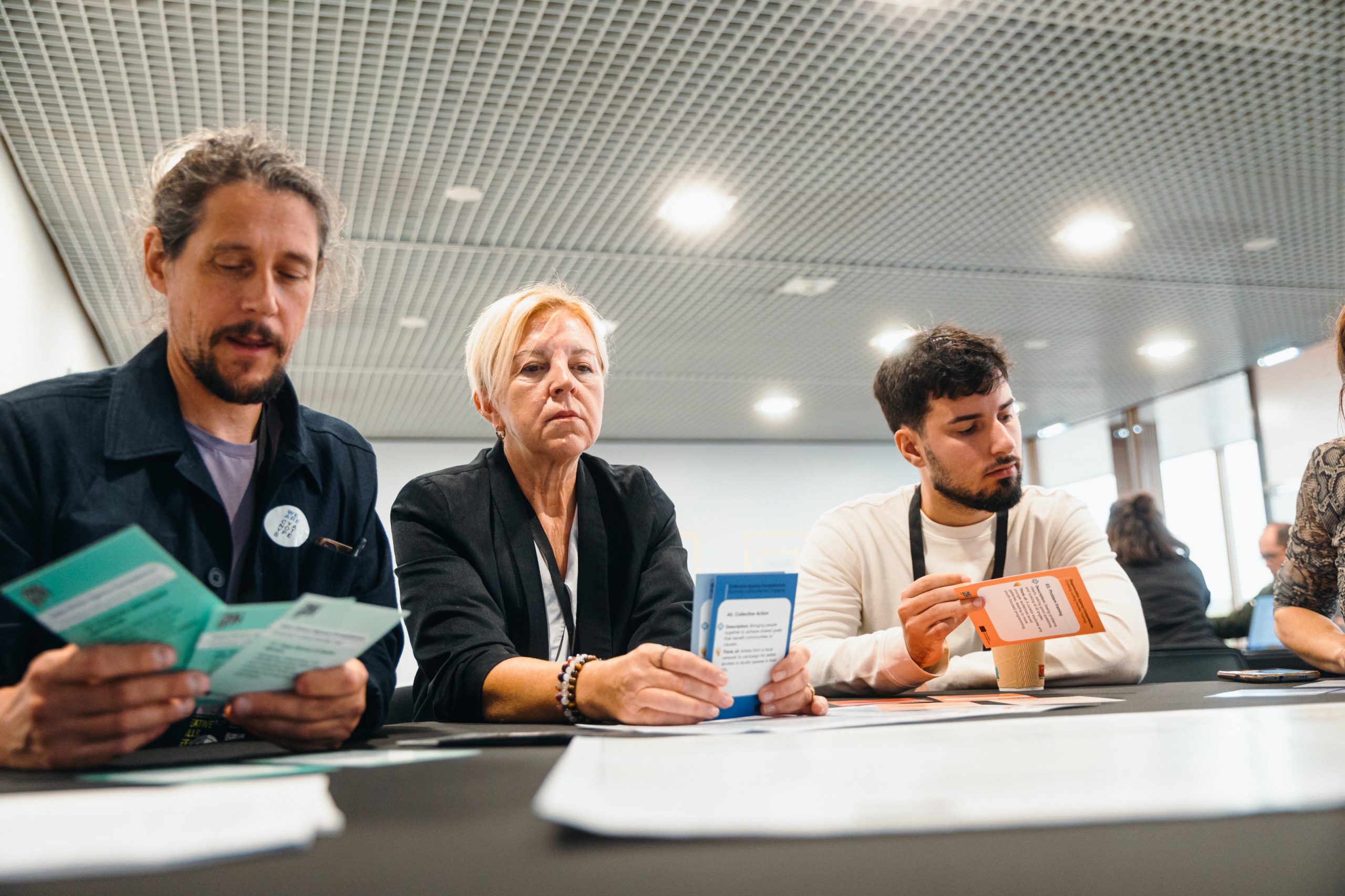
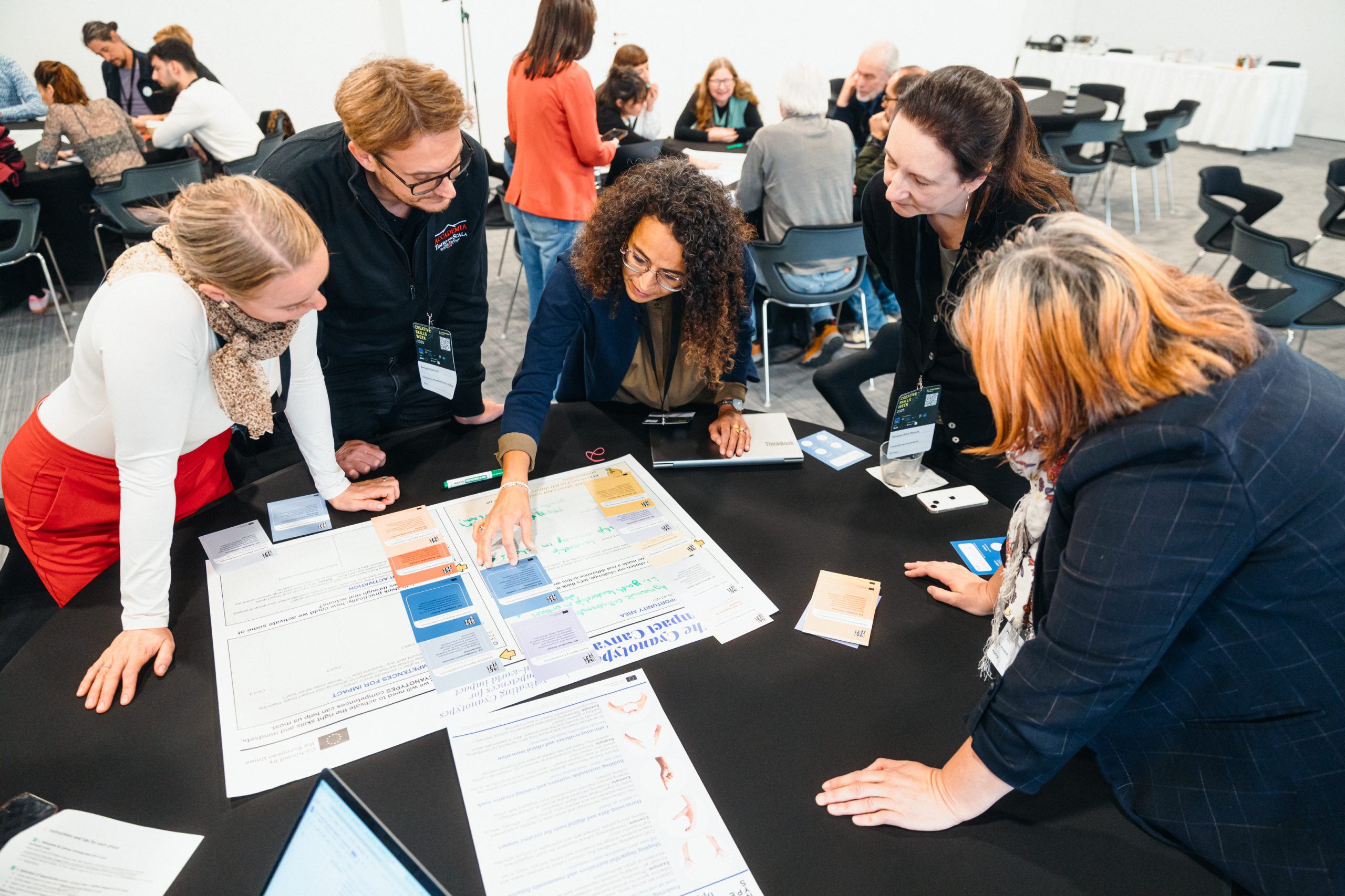
Activities include Generative Literacy Labs, thematic workshops on prompt thinking, assisted creativity and AI criticism, self-assessment sessions using the CYANOTYPES Framework, the production of pilot projects such as installations, artefacts and interactive experiences, and public roundtables and dissemination events through the GenIALab Open AI Forum.
The pilot follows a nine-month pathway: months 1–3 focus on co-design of the training path and participant selection; months 4–6 focus on experimental teaching and applied research; and months 7–9 focus on evaluation and prototyping of results.
Outcomes and early learning
The pilot is expected to produce new educational models, prototype curricula, competence maps and institutional guidance for integrating CYANOTYPES into AI-related creative education. It also aims to consolidate GenIALab as a national hub for artistic and cultural research on artificial intelligence, creating stronger links between artistic education, technological research and ethical reflection.
AANT’s learning approach is research-based, combining critical theory, artistic experimentation and interdisciplinary collaboration. The model is inspired by triple-loop learning, encouraging participants to reflect, adapt and regenerate creative and cognitive practices. This gives the pilot a strong fit with CYANOTYPES’ emphasis on deeper reflection, systemic understanding and transformative learning.
The pilot is also designed to be scalable. Future developments may include new training modules and the longer-term establishment of a GenIALab Academy dedicated to critical and creative AI literacy.
Adding value
The pilot is valuable because it treats generative AI as more than a technology update. It positions AI as a space for creative inquiry, ethical reflection, curriculum innovation and cultural mediation. Its strength lies in connecting artistic experimentation with competence-based learning, helping students, educators and creative professionals develop the confidence and critical awareness needed to work with AI without reducing creativity to tool use.
Possible policy recommendations
This pilot suggests that policy makers, education leaders and cultural funders should support critical AI literacy in creative education as a strategic priority. As generative AI becomes more present in arts, design and communication, creative professionals need learning environments that combine experimentation with ethical awareness, data and digital literacy, cultural reflection and interdisciplinary collaboration.
Policy support could focus on funding AI laboratories within arts and design institutions, recognising human–machine co-creation as an emerging field of creative competence, supporting staff development for critical AI pedagogy, and connecting artistic research with cultural policy, technology partners and creative industries. The geniaLAB pilot also points to the value of institutional policy documents that help schools adopt competence frameworks responsibly, so that AI-related innovation strengthens creative agency rather than narrowing it.
Website: www.accademiadellearti.it/en/
“Creativity is not just a skill; it is a form of agency. The world is changing quickly, and we need frameworks that anticipate change.”
— David Crombie, CYANOTYPES Project Coordinator
Take the challenge: Run a CYANOTYPES Pilot
The CYANOTYPES team invites networks and institutions to take the next step. Lead the transformation by testing and adapting the CYANOTYPES Framework in your own context through tailored Open Pilots.
Start by exploring the CYANOTYPES Toolkit, a practical resource offering frameworks, cards, and templates to guide your organisation through its own journey of unlearning and relearning.
If you are interested in piloting the CYANOTYPES Framework, register here. CYANOTYPES partners will get in touch with you.
Discover examples from partner pilots and scenarios that may help you design your own pilot:
Read updated practical information of the CYANOTYPES Framework: