
Pilot Runner: Open University of Catalunya — UOC (Spain)
This Open Pilot, hosted by the Open University of Catalunya — UOC in Barcelona, focuses on Boosting International Initiatives. It is structured as two connected pilots, Pilot 1.a and Pilot 1.b, aimed at optimising Group and Unit resources to generate new funded research and innovation with social, economic, environmental or technological impact.
The pilot creates a collaborative learning and strategy space where research groups, support staff, external communities and potentially doctoral students can work across disciplines and sectors. Its ambition is to strengthen UOC’s internationalisation and competitiveness by improving how ideas, alliances, funding opportunities and value creation are developed together.
Aims of the pilot
The pilot aims to stimulate processes that boost the internationalisation of the university’s research in line with its mission. Pilot 1.a focuses on applying knowledge and know-how to the ideation of new proposals, contributing to strategic planning with Units, catalysing new Group interactions for research with and for communities, and supporting talent attraction. Pilot 1.b focuses on exposing Groups to other disciplines and sectors, generating interdisciplinary approaches to societal challenges, and exploring new ways of measuring value creation by researchers working across disciplines, sectors and communities.
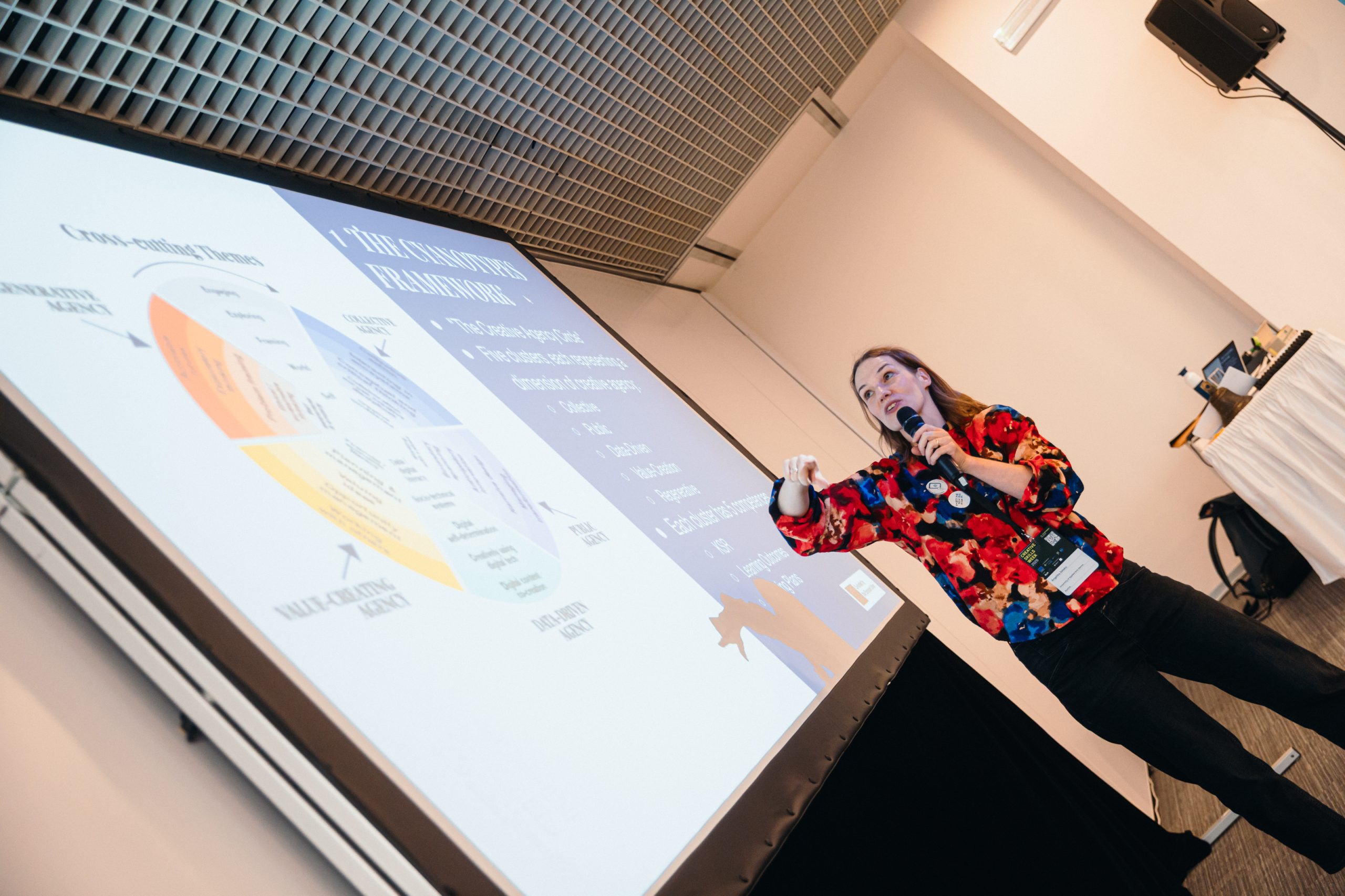
The CYANOTYPES Framework will be used to support themes such as alliance-strengthening, project pipeline creation, talent attraction, impactful transitions, policy and planning innovation, research ideation and value creation. The pilot is deliberately designed to produce “light” but useful results, such as summary reports, draft roadmaps, and lists of potential research and innovation directions with value considerations for groups and the university.
The main CYANOTYPES-related competences identified include:
B3 – Anticipatory Innovation
B5 – Managing Transformations
D4 – Opportunity Management
A4 – Interacting in Creative Ecosystems
C4 – Creatively Using Digital Technology
B2 – Boundary Spanning
B4 – Narrative Design
The pilot also points toward curiosity, collaboration, value creation and the ability to navigate complexity across disciplines, sectors and communities.
Activities undertaken
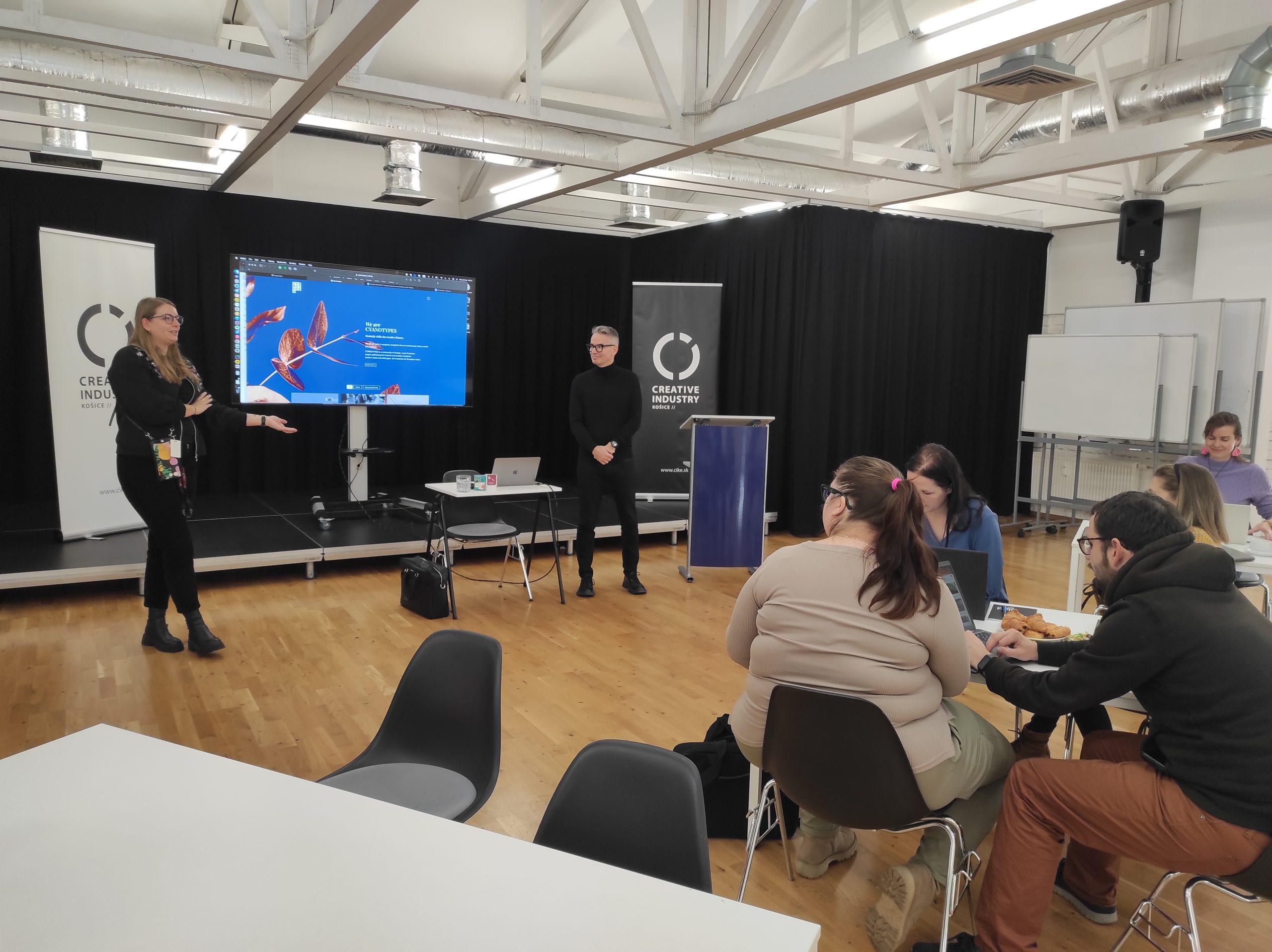
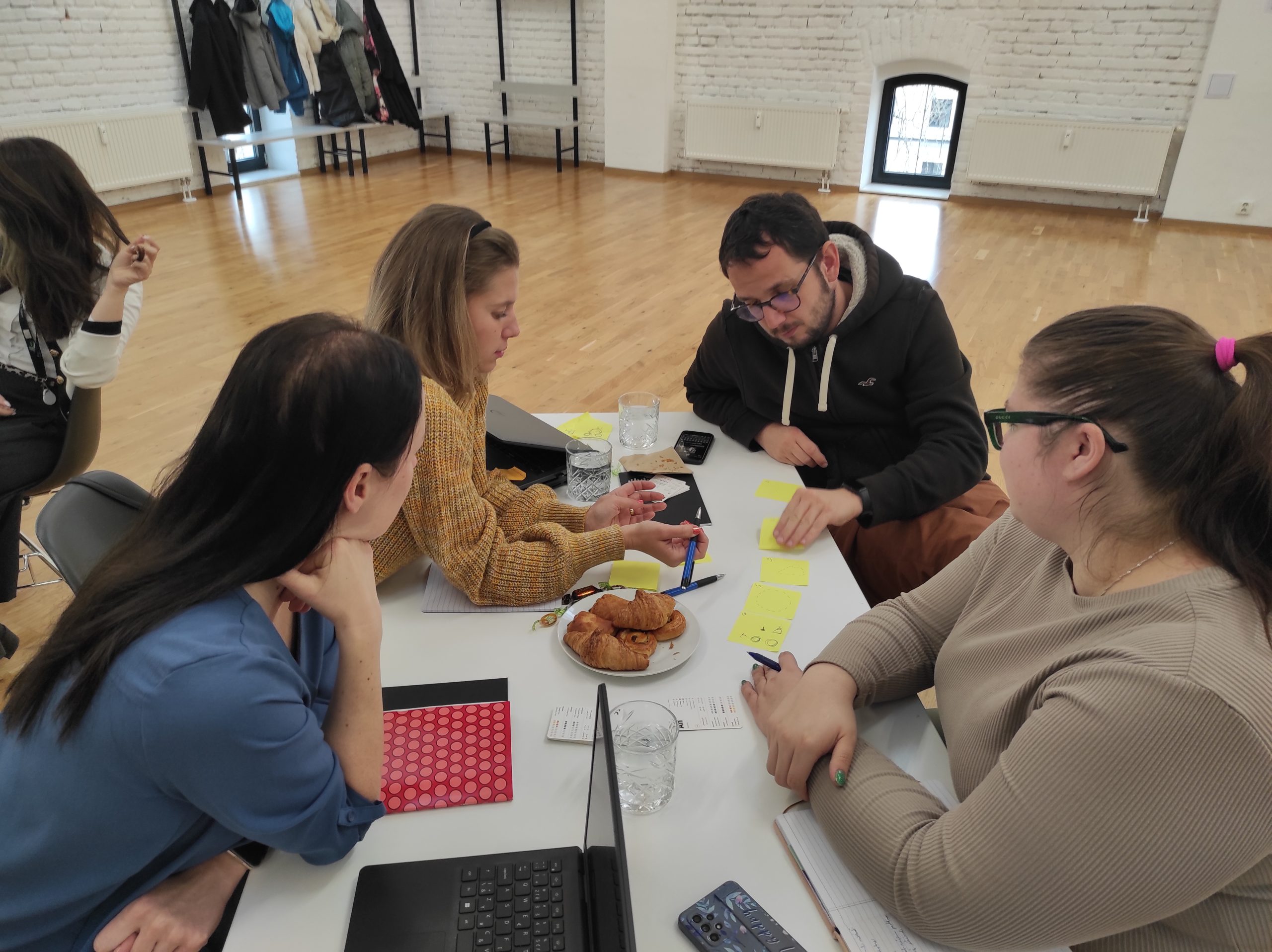
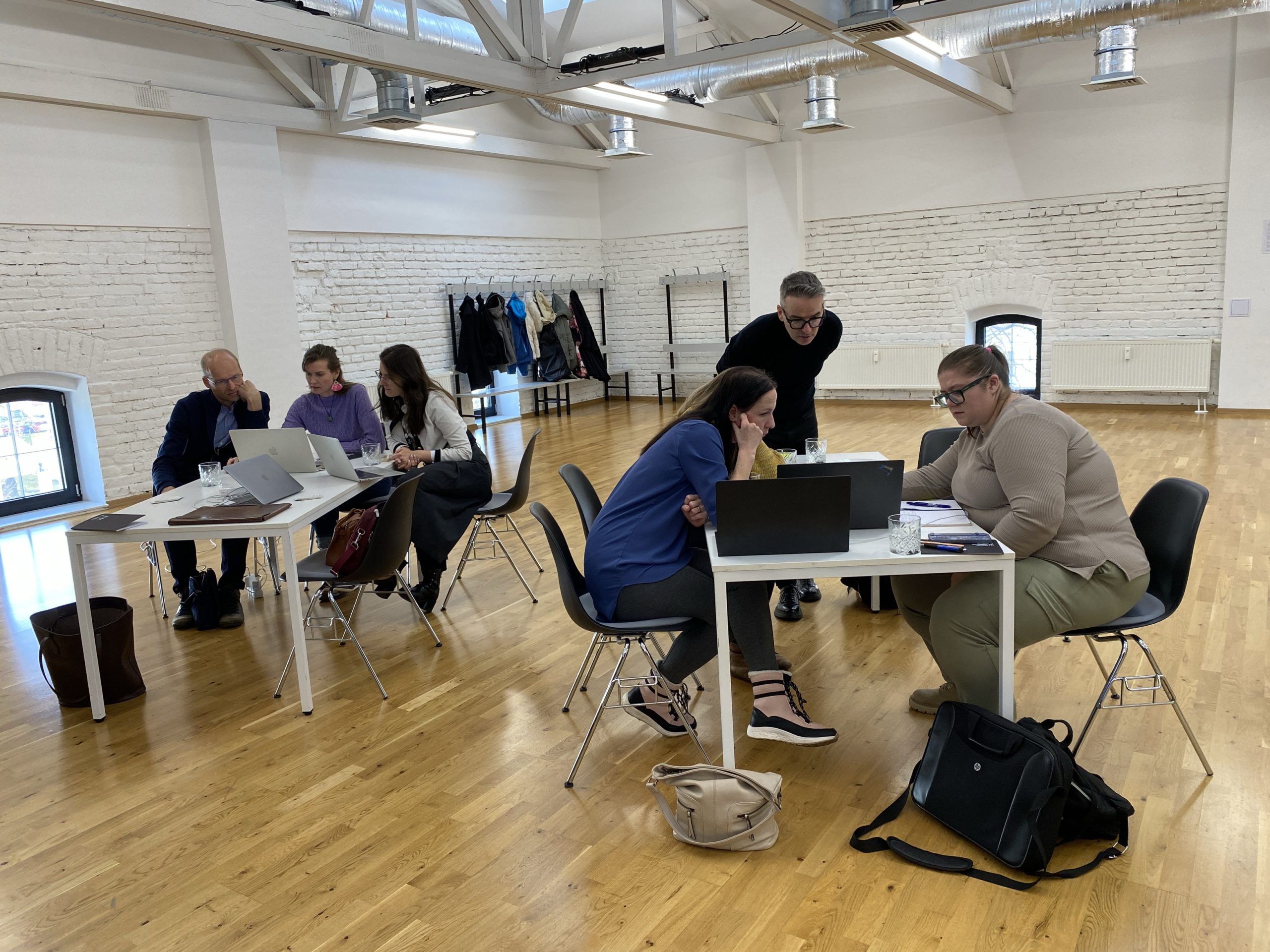
Each pilot will involve ideally 10–15 participants, with a minimum of 7 and a maximum of 21 per pilot. Pilot 1.a involves staff from three to five different Groups, AIR support staff and external communities. Pilot 1.b involves staff from different Groups across different Units, together with AIR support staff. Participation may also be opened to MSCA doctoral students as a career training opportunity, as well as existing external communities connected to the Groups.
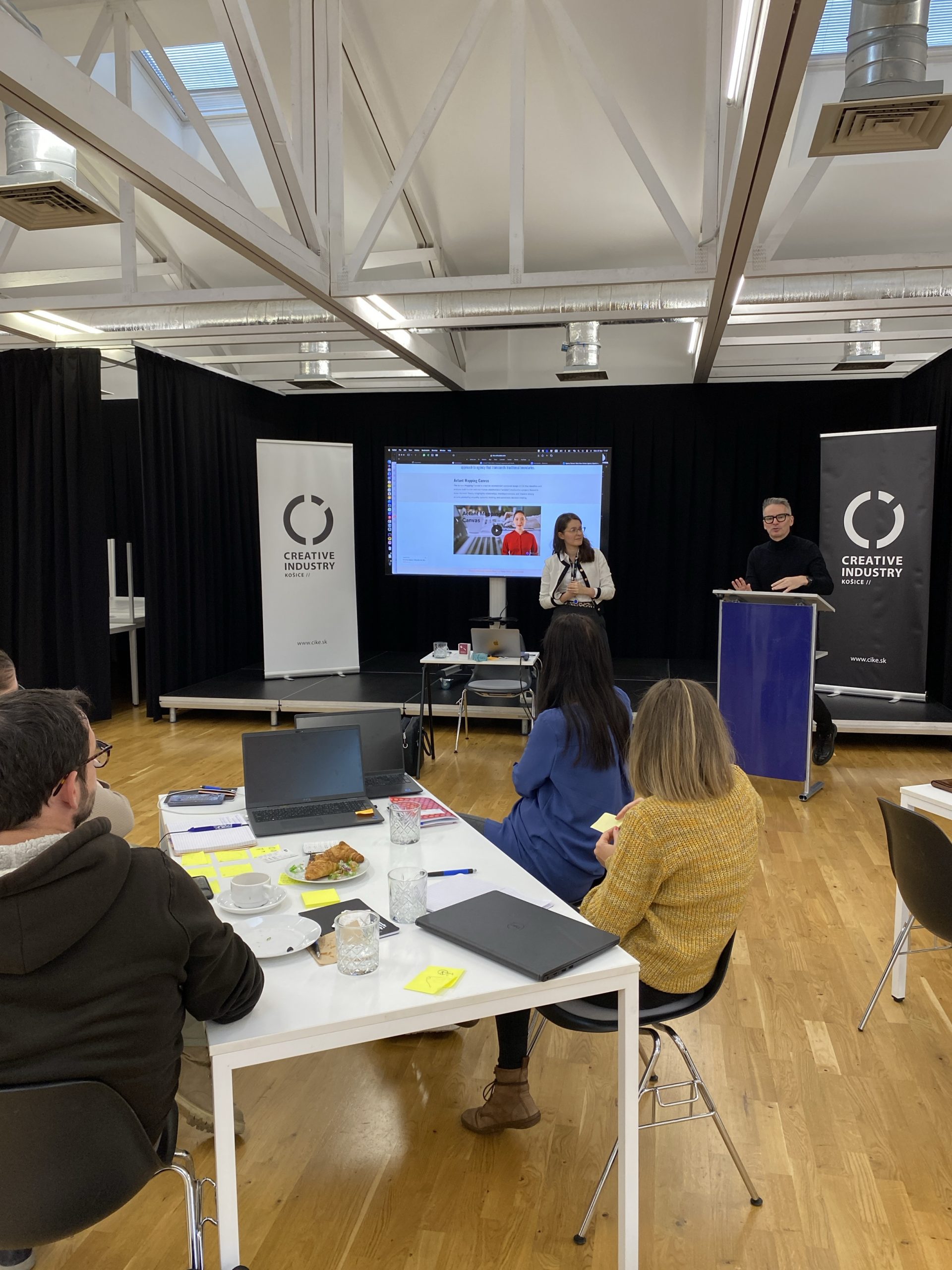
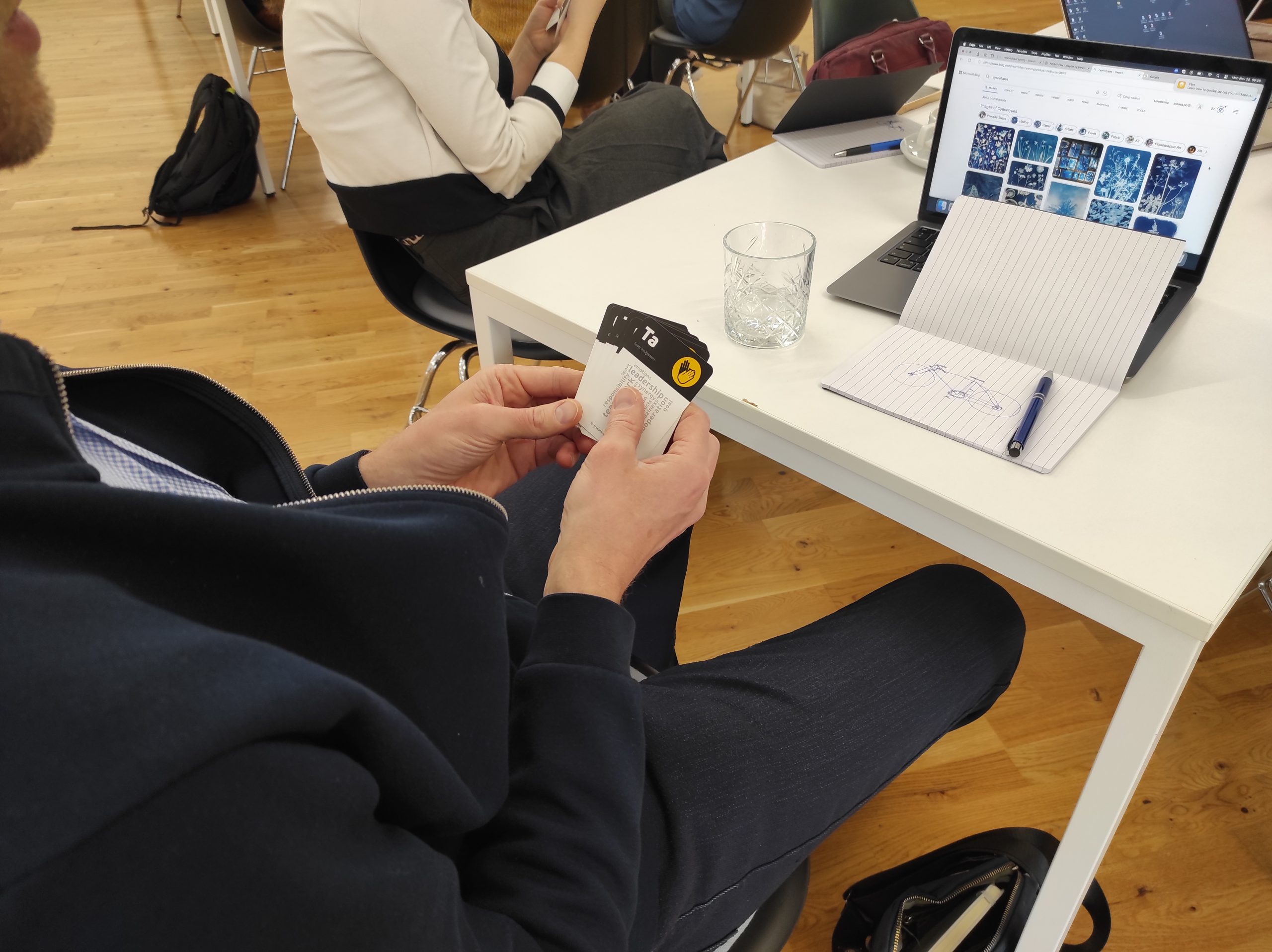
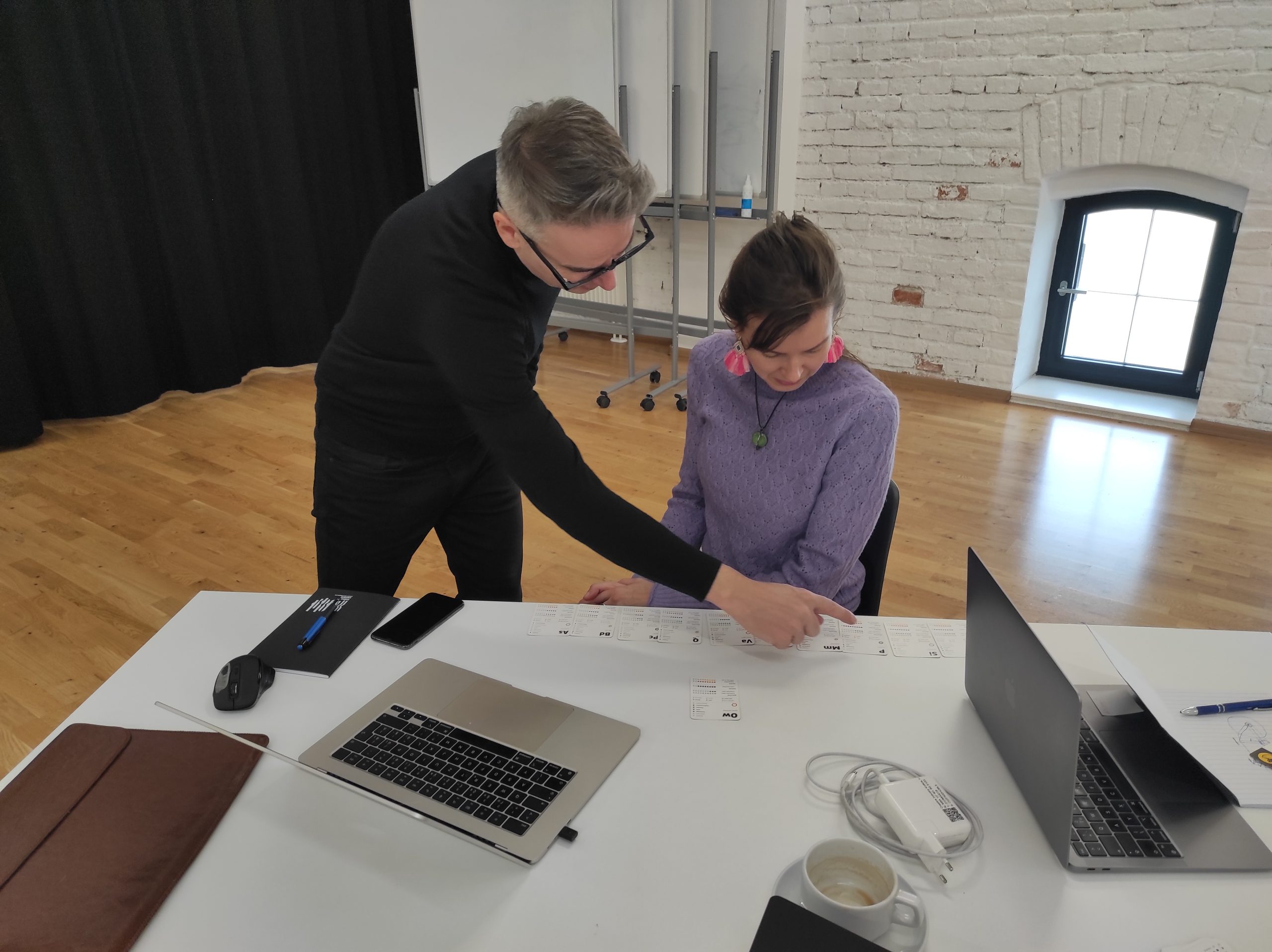
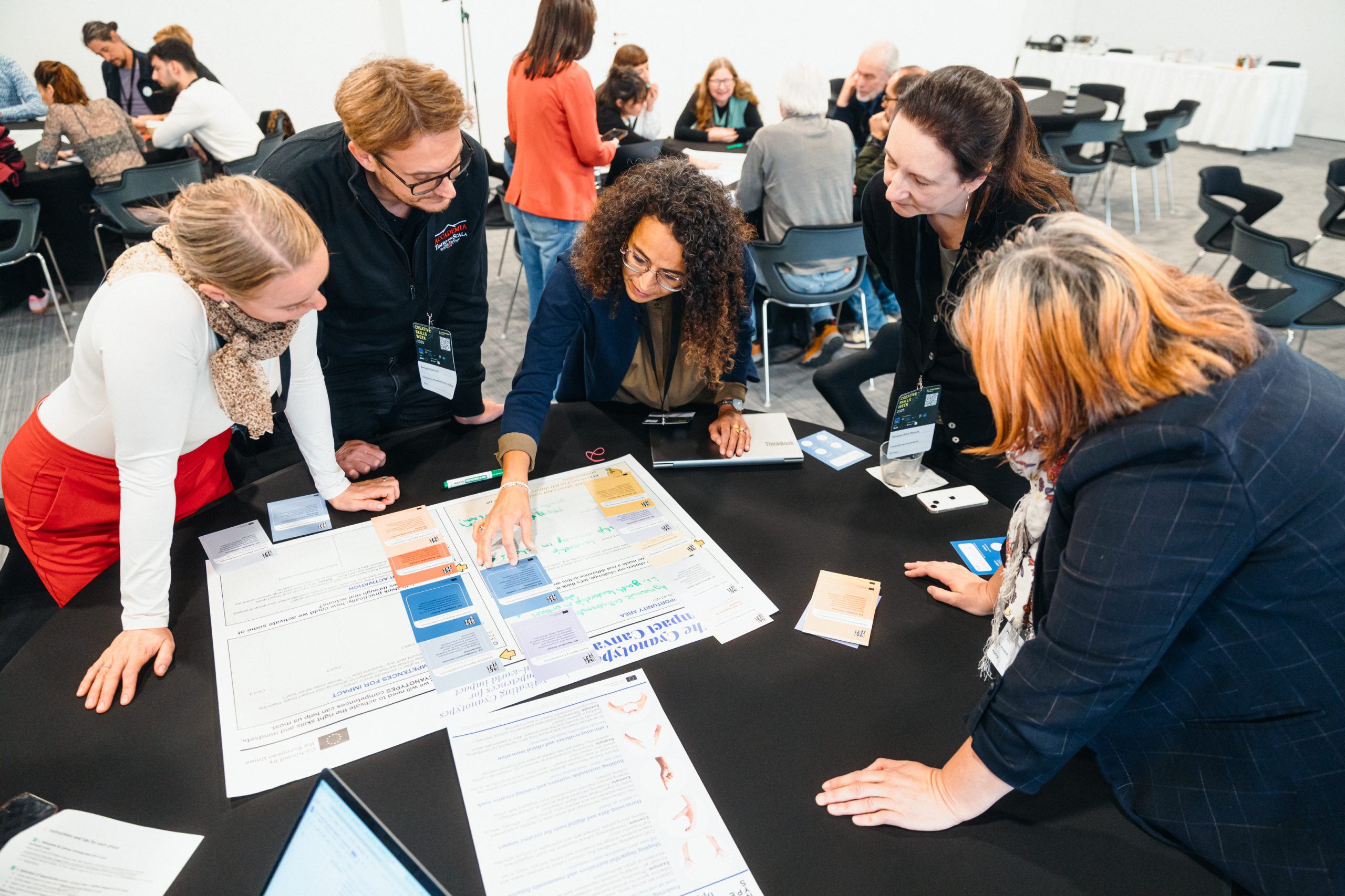
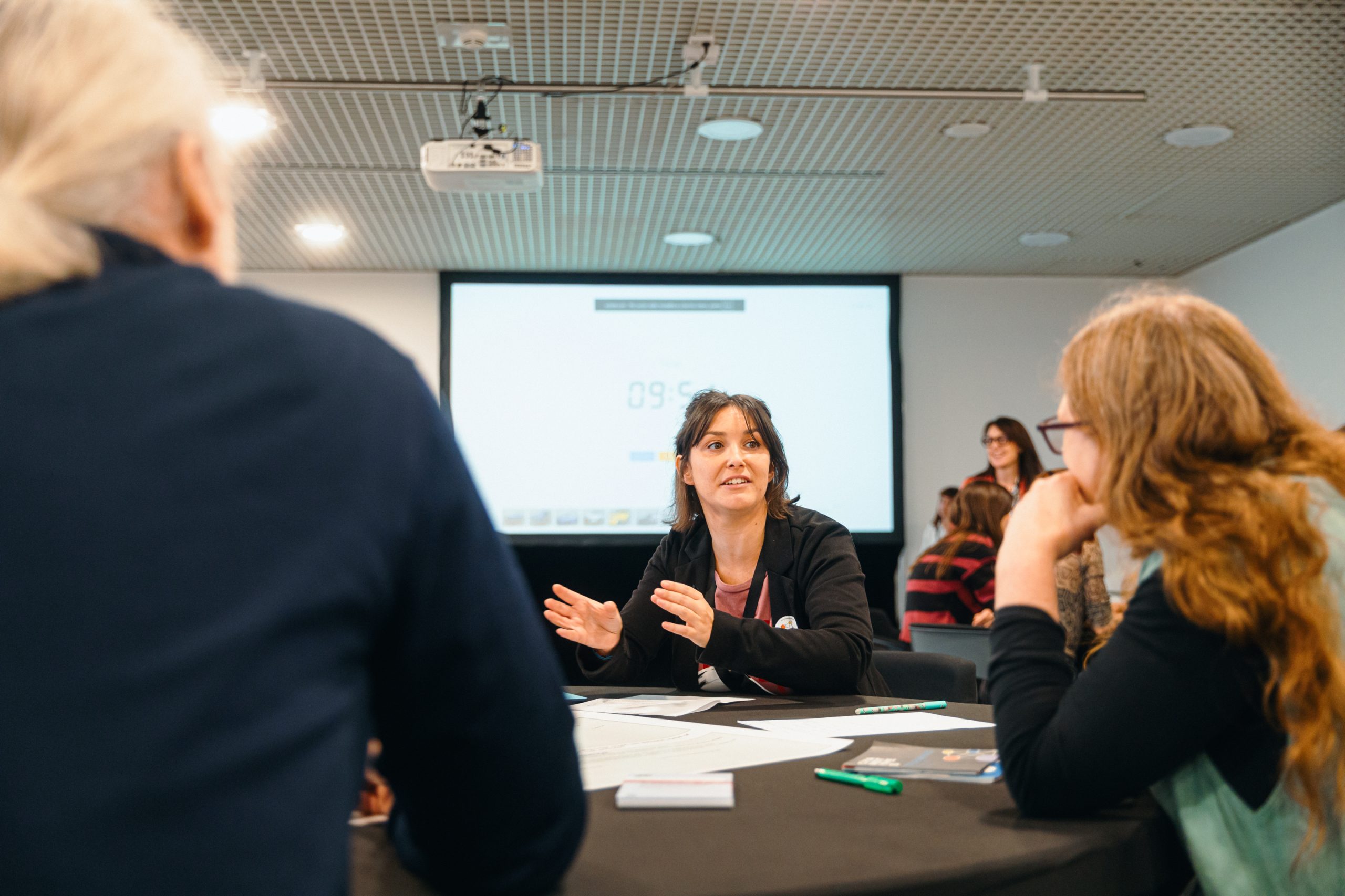
Activities include short phased learning and skills-building activities, face-to-face workshops, asynchronous digital forums, real-time online forums, participatory input methods, peer review, mentoring by senior or expert staff, and improvement of working documents. The pilot will draw on CYANOTYPES toolkits, quality assurance templates, project management tools and briefing materials. Feedback will be gathered during design, implementation and post-pilot evaluation.
The first small step is planned between mid-October and early December 2025, with one or two further iterations between January and July 2026, and a maximum calendar opportunity extending to November 2026. The approach is learner-centred, participatory, feedback-driven and designed to integrate into already planned Group and Unit work.
Outcomes and early learning
Expected outcomes include at least 20 UOC staff across the two pilots increasing their knowledge and know-how for networking and creating value in and across communities and disciplines. The pilot also aims to increase international exposure for research Groups and seed up to five future funded research initiatives by October 2026. At least five pilot-related actions are expected to appear in UOC news, Group web pages or researchers’ social media.
The annex highlights three practical activity types: collaborative workshops to explore themes and surface early-stage concepts, framing and scouting support to map stakeholders and funding opportunities, and strategic briefings for Unit Heads to support evidence-based decisions on proposal development and alliances. Learning outcomes for staff include stronger content fluency without needing content ownership, foresight and systemic thinking, and boundary-spanning communication across knowledge cultures.
At institutional level, the pilot aims to create more strategic, value-creating in-house collaboration between Groups and Units, improved networking skills, and stronger capacity to anticipate future initiatives with ecosystem players. It may also lead to further pilots involving UOC international initiatives, regional development projects, OpenEU partners, Knowledge Triangle stakeholders, and a Vice Rector-led initiative connecting the creative and cultural sector more closely to the university’s community work.
Adding value
The pilot is valuable because it treats research support, proposal ideation and internationalisation as shared creative and strategic practices rather than purely administrative processes. Its strength lies in helping academic and support staff co-create opportunity spaces, build alliances, and generate value with communities before formal project proposals are locked in. It also opens a shift for AIR and research support roles: from service provision toward co-leadership in UOC’s research ecosystem.
Possible policy recommendations
This pilot suggests that university policy and research funding ecosystems should support early-stage, competence-based research initiative-building before formal proposal development begins. Universities often invest heavily once calls and deadlines are visible, but this pilot shows the value of earlier collaborative work: mapping capacities, surfacing opportunities, building alliances, and developing shared narratives of value across disciplines and sectors.
Policy support could focus on recognising research support staff as strategic innovation actors, funding lightweight pilot formats for interdisciplinary ideation, and rewarding internal collaboration that creates future proposal pipelines and community-facing impact. The UOC pilot also points to the importance of measuring value beyond submitted proposals: even concepts that do not become immediate applications can strengthen foresight, ecosystem awareness, alliance readiness and institutional agility.
Website: https://www.uoc.edu/en
“Creativity is not just a skill; it is a form of agency. The world is changing quickly, and we need frameworks that anticipate change.”
— David Crombie, CYANOTYPES Project Coordinator
Take the challenge: Run a CYANOTYPES Pilot
The CYANOTYPES team invites networks and institutions to take the next step. Lead the transformation by testing and adapting the CYANOTYPES Framework in your own context through tailored Open Pilots.
Start by exploring the CYANOTYPES Toolkit, a practical resource offering frameworks, cards, and templates to guide your organisation through its own journey of unlearning and relearning.
If you are interested in piloting the CYANOTYPES Framework, register here. CYANOTYPES partners will get in touch with you.
Discover examples from partner pilots and scenarios that may help you design your own pilot:
Read updated practical information of the CYANOTYPES Framework: