Pilot Runner: Royal Conservatoire of Antwerp (Belgium)
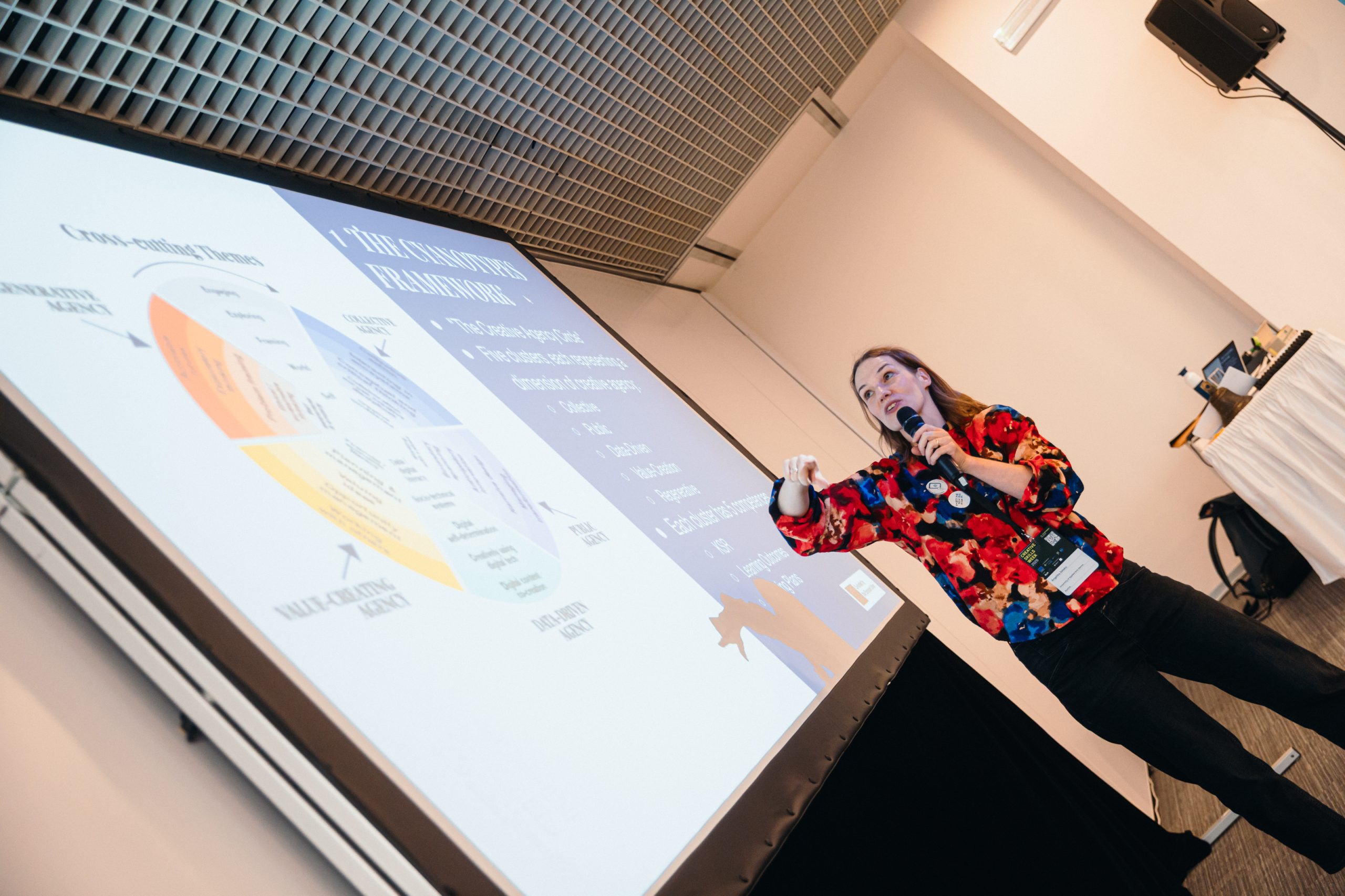
This Open Pilot, hosted by the Royal Conservatoire of Antwerp — RCA, AP University College in Belgium, focuses on co-creating a resilient policy for the next generation of students. The pilot uses the CYANOTYPES framework to embed future literacy and creative skills within the Conservatoire’s systems and practices, helping artistic education and research remain resilient, forward-looking and responsive to emerging cultural and professional realities.
The pilot creates a participatory institutional learning space where students, staff, alumni, creative professionals, policy makers and partner institutions can reflect on the future of artistic education. It focuses on the tension between tradition and innovation, craftsmanship and entrepreneurship, and the evolving skills performance artists need in a changing world.
Aims of the pilot
The pilot aims to conduct an in-depth analysis of the Conservatoire’s policies, programmes and curricula, including possible skills gaps, and to integrate future-proof competences into new or renewed curricula. The CYANOTYPES framework and Blueprinter will be used to support analysis of self-evaluation reports and external assessments across Dance, Theatre, Music and the Educational Master.
The pilot will also engage staff, students and wider stakeholders in a structured process to rethink current competences and identify which skills should be strengthened. It aims to generate a shared institutional language and framework for assessing RCA’s current and future-oriented policy targets.
The pilot identifies all CYANOTYPES competences as potentially relevant, reflecting its strategic and institution-wide ambition. Earlier framing also highlighted particular attention to Collective Agency, Regenerative Agency and Public Agency.
Activities undertaken
The pilot expects to involve approximately 300 participants, including staff members, teaching staff, students, alumni, creative professionals and the wider performing arts field. Secondary stakeholders include policy makers at local, regional and national level, the AP Management team, other conservatoires, DKO vocational and extracurricular training, and KSO secondary art education.
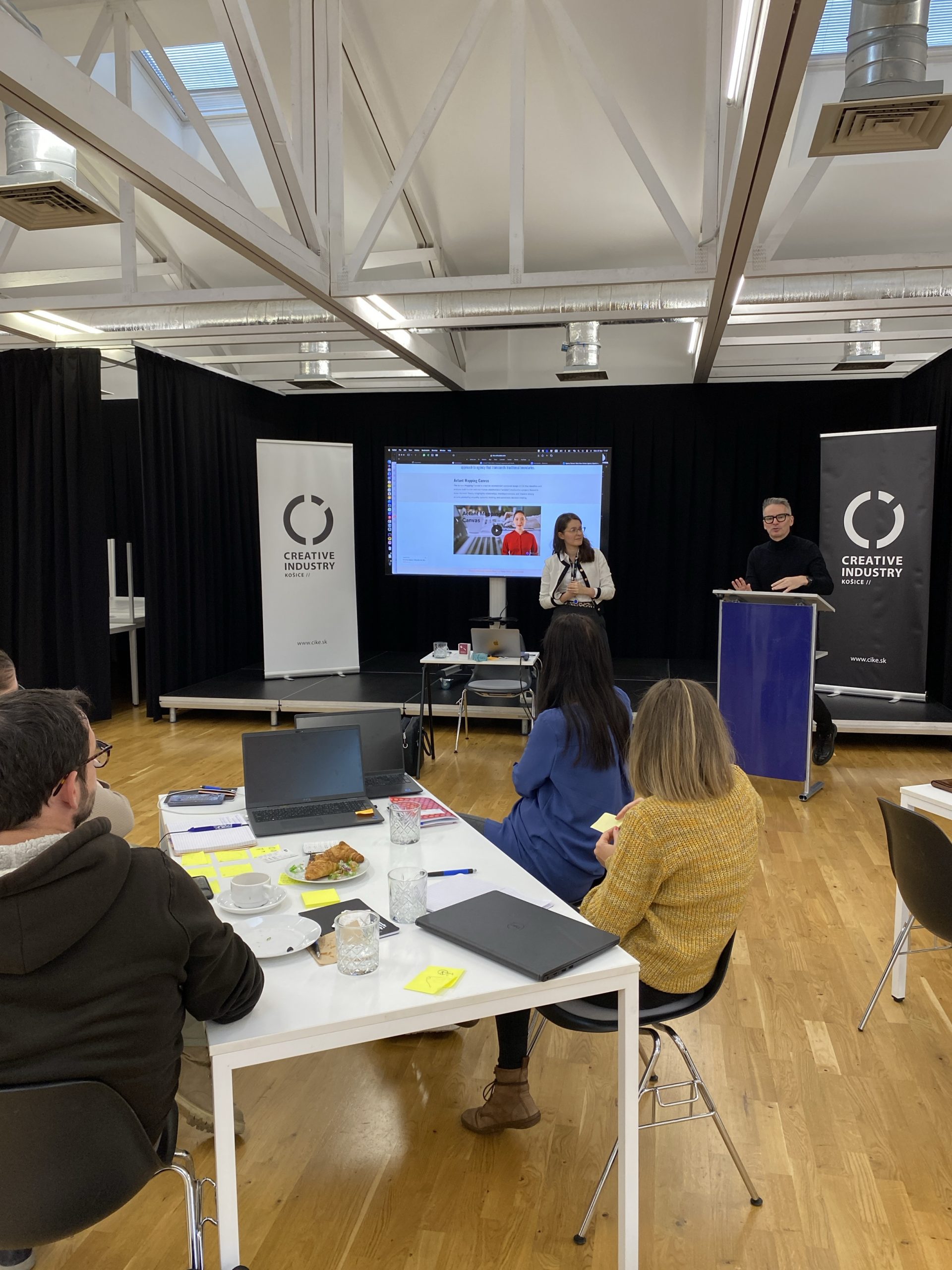
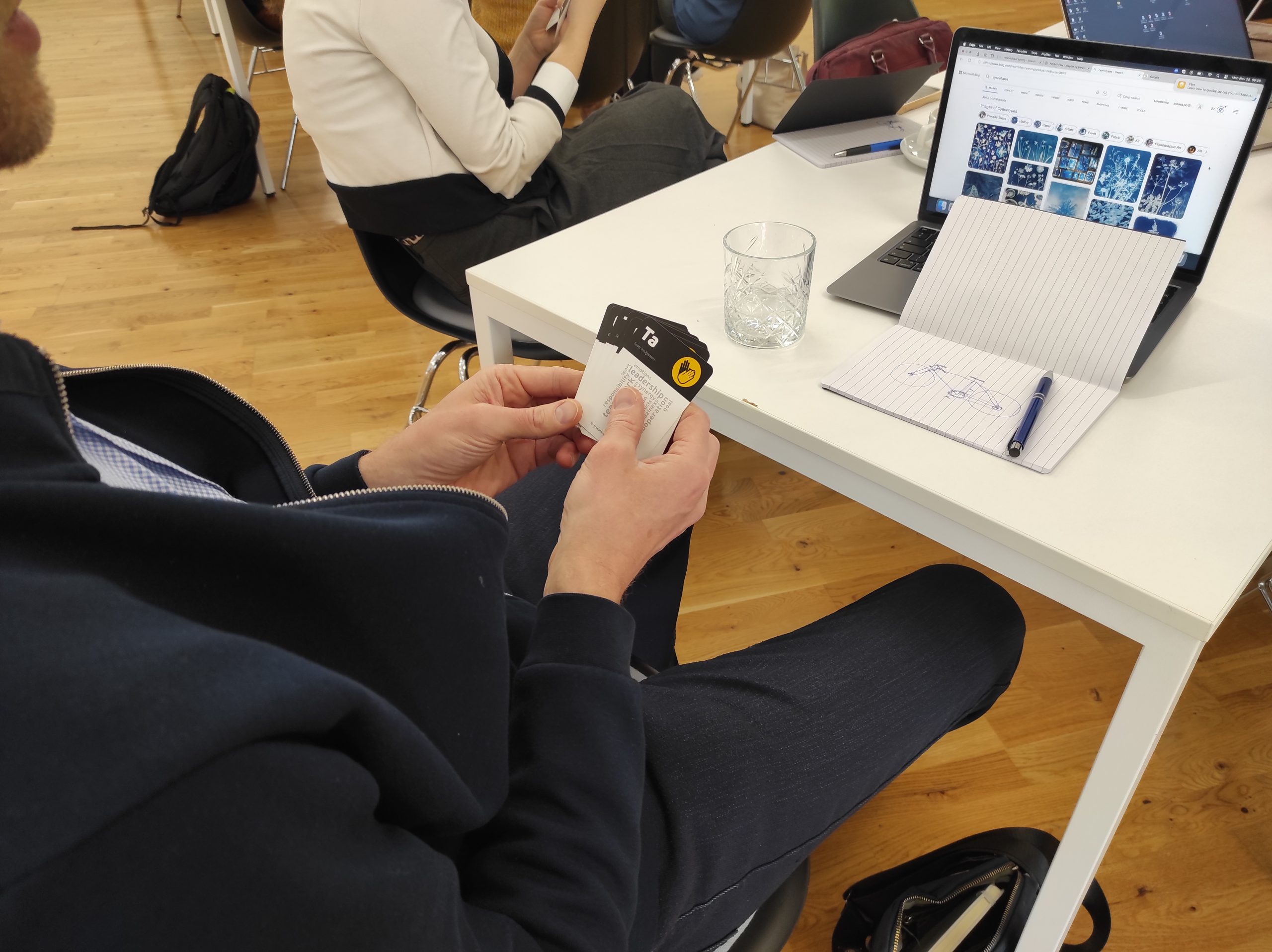
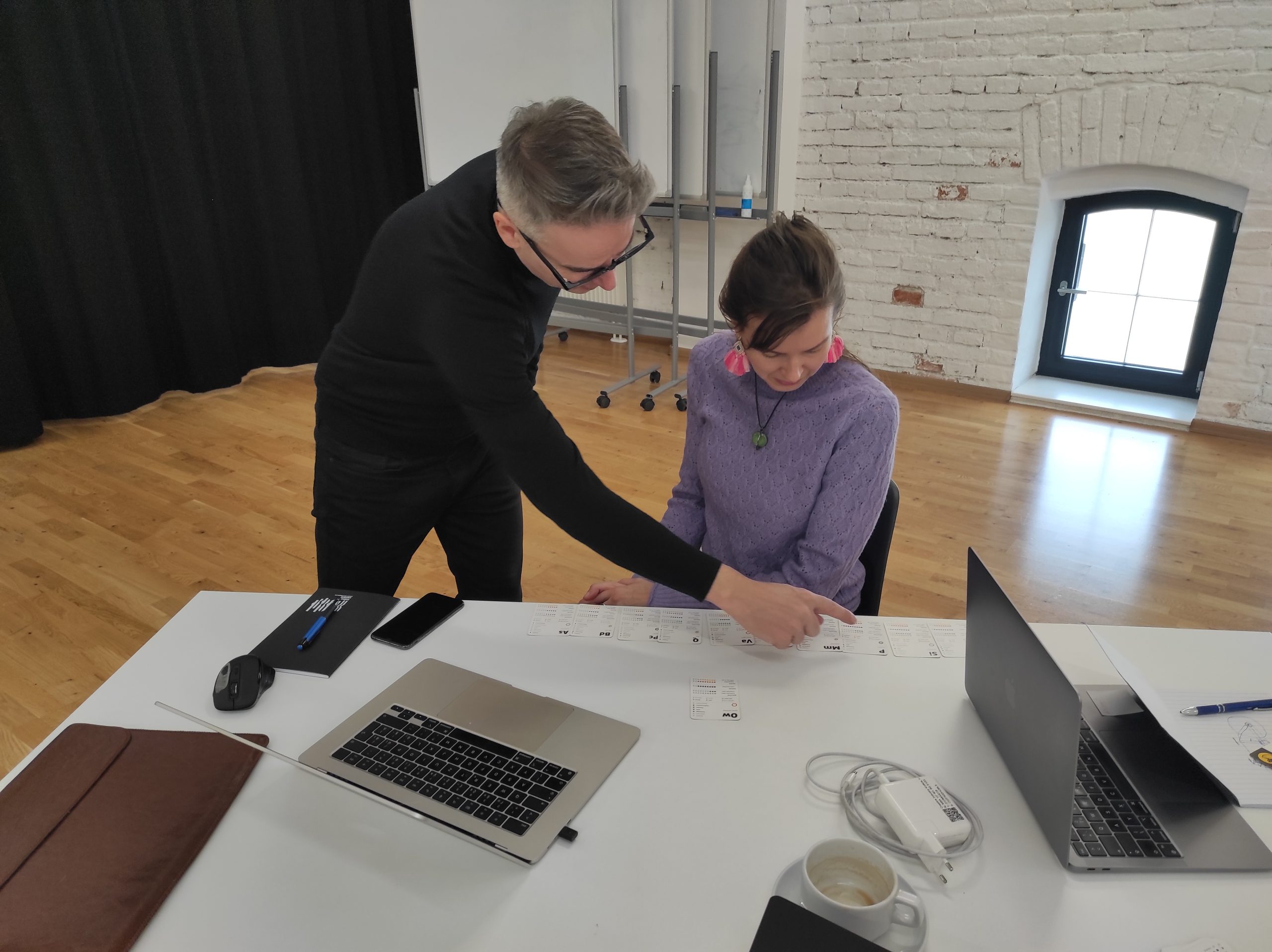
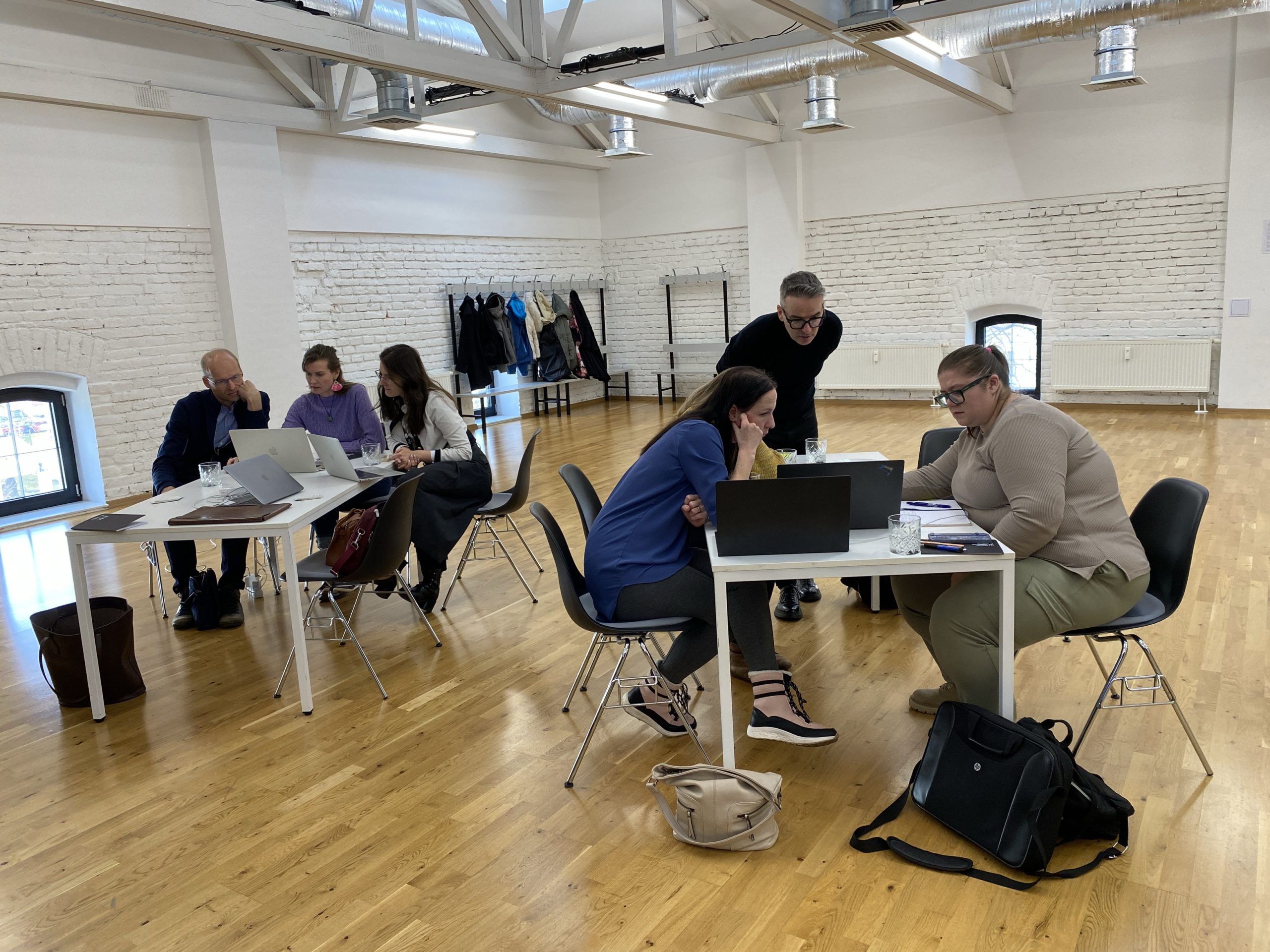
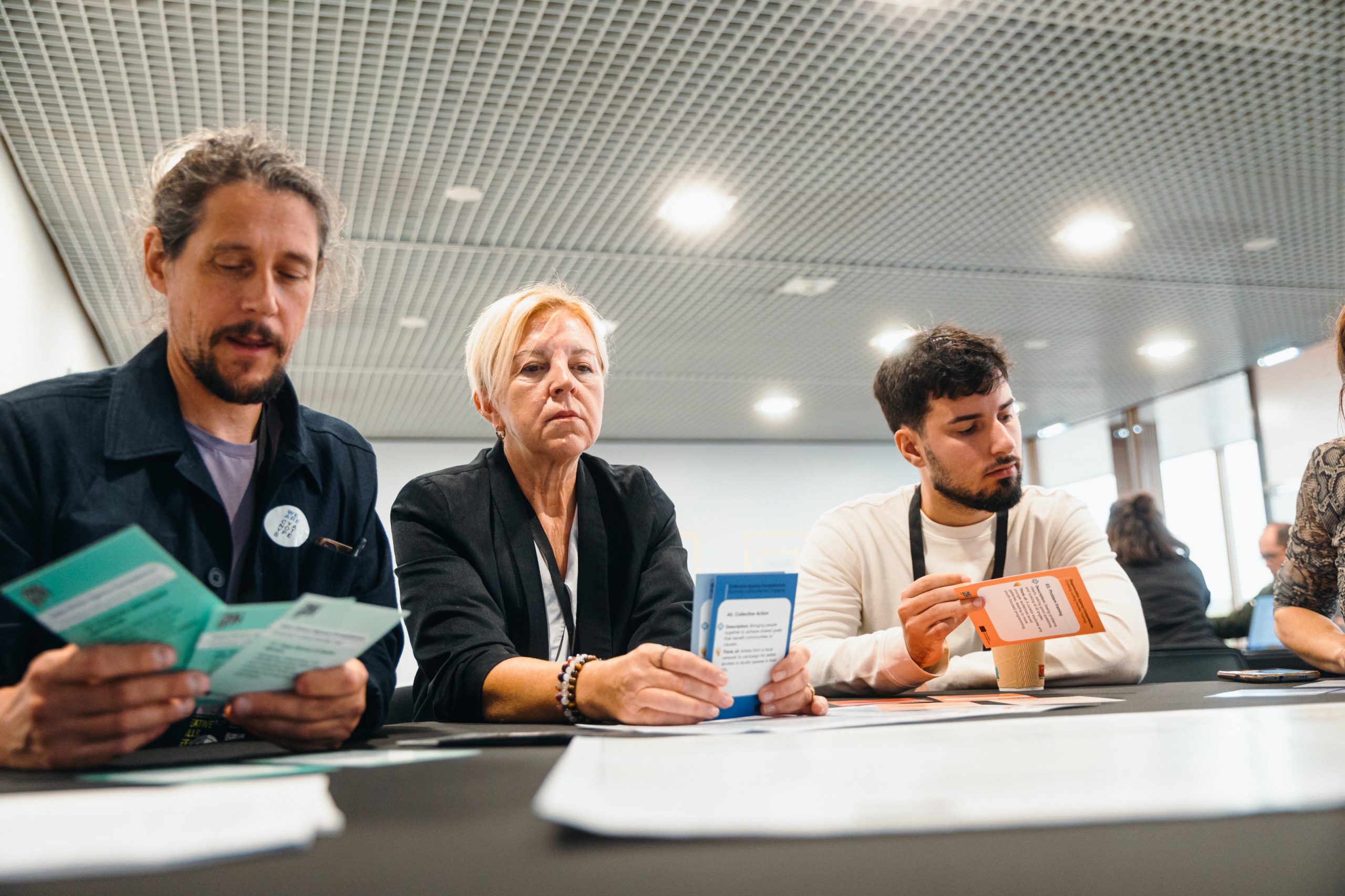
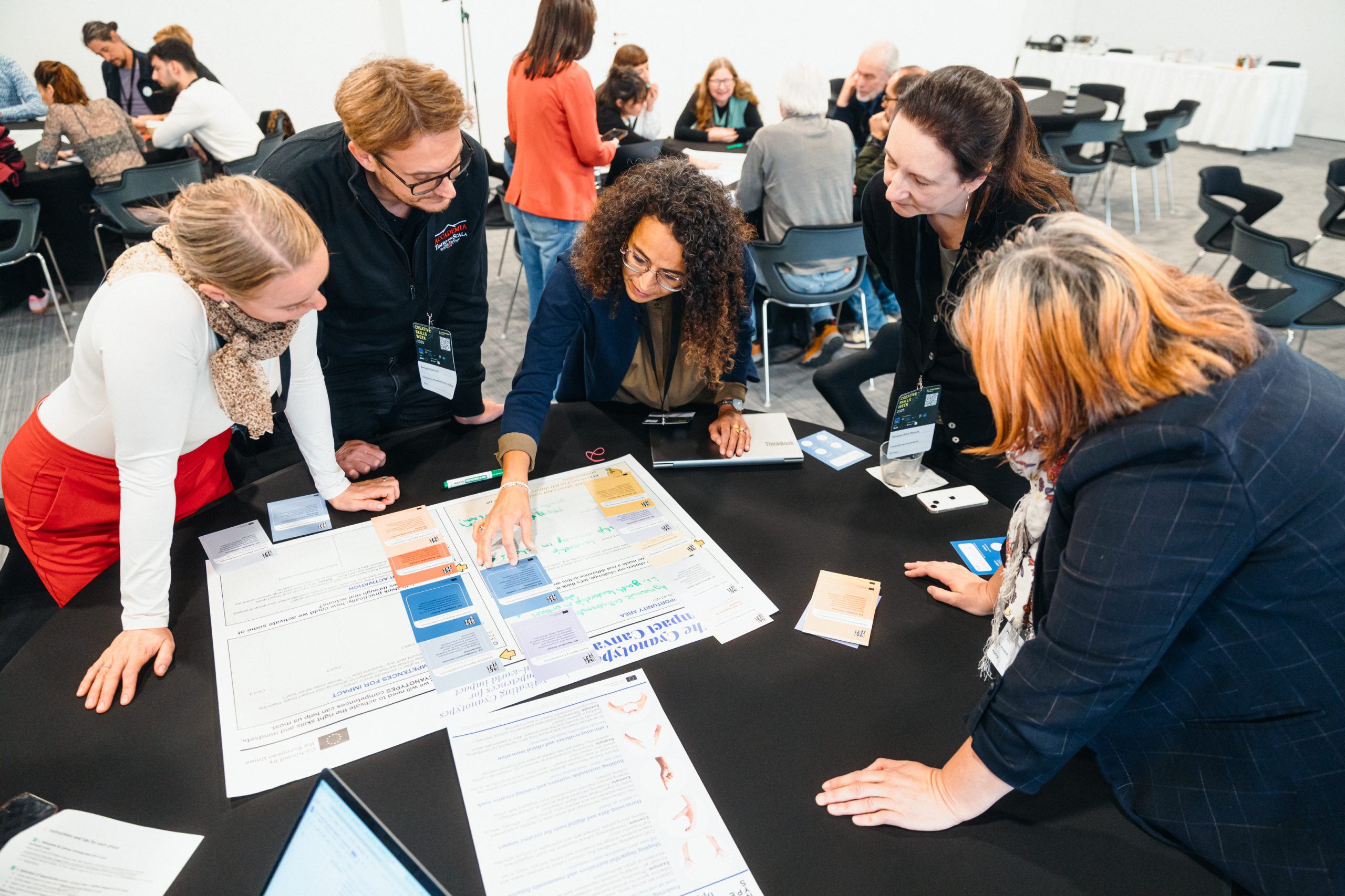
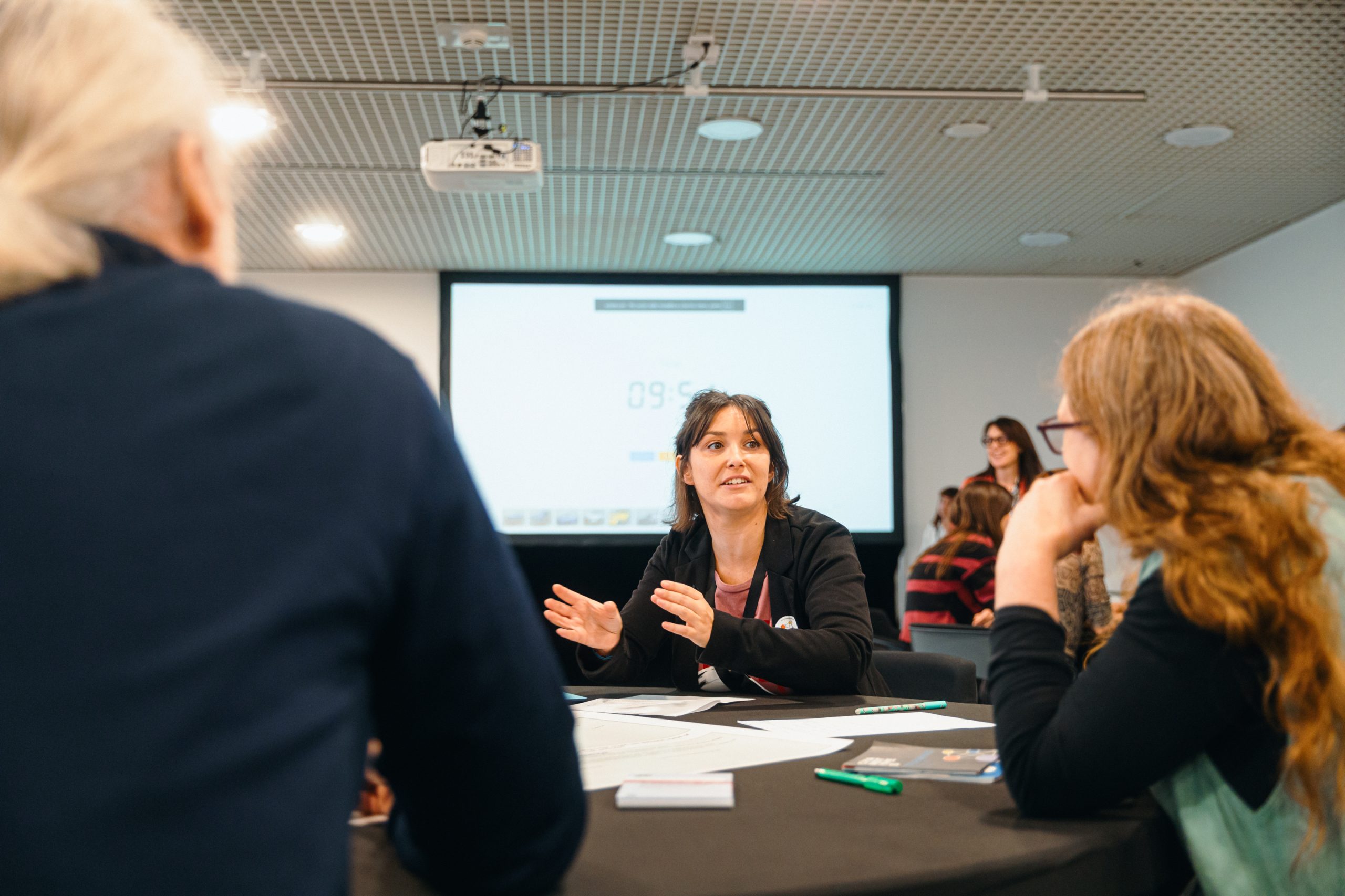
Planned activities include workshops during NEXT DOORS, workshops or round tables with stakeholders, questionnaires including an alumni survey, and desk work using the Blueprinter. The timeline begins in December 2025, with Blueprinter analysis in January, a staff workshop in February, questionnaire development in March and April, stakeholder workshops and desktop analysis in May and June, and further staff workshops in September.
Outcomes and early learning
Expected outcomes include a stakeholder analysis of perspectives on the future positioning of RCA, a detailed overview of students’ desired skill development, a SWOT analysis of policy documents and programme reviews, and a joint action plan for introducing or strengthening future-oriented creative competences across the Conservatoire’s curricula.
The pilot aims to inform a strategic, competence-driven policy plan for RCA for 2027–2032. This bottom-up process will combine AI-supported analysis through the Blueprinter with insights from key stakeholders, creating a stronger foundation for widely supported institutional change.
The outcomes will be applied by comparing students’ perceived skill development needs with those identified by lecturers and external professionals. Shared priorities will then become the basis for an action plan, with potential implications for course development, human resources and the expertise needed to teach or support these skills.
Adding value
The pilot is valuable because it treats curriculum renewal as an institutional conversation rather than a top-down reform exercise. Its strength lies in creating a shared language for creative competences across programmes, generations and stakeholder groups. It also surfaces productive tensions — such as tradition versus innovation and craftsmanship versus entrepreneurship — as material for strategic learning rather than as problems to be solved too quickly.
Possible policy recommendations
This pilot suggests that policy makers and higher arts education leaders should support participatory, competence-based policy development in artistic education. Conservatoires and arts schools are facing changing cultural, professional and societal conditions, but curriculum reform needs to respect artistic traditions while opening space for future literacy, creative agency and new professional realities.
Policy support could focus on funding institutional skills mapping, stakeholder consultation, alumni and student voice processes, and AI-supported analysis of programme reviews and self-evaluation reports. The RCA pilot also points to the value of linking quality enhancement with future skills development, so that policy plans do not remain abstract strategies but become practical foundations for curriculum renewal, staff development and stronger connections with the artistic field.
“Creativity is not just a skill; it is a form of agency. The world is changing quickly, and we need frameworks that anticipate change.”
— David Crombie, CYANOTYPES Project Coordinator
Take the challenge: Run a CYANOTYPES Pilot
The CYANOTYPES team invites networks and institutions to take the next step. Lead the transformation by testing and adapting the CYANOTYPES Framework in your own context through tailored Open Pilots.
Start by exploring the CYANOTYPES Toolkit, a practical resource offering frameworks, cards, and templates to guide your organisation through its own journey of unlearning and relearning.
If you are interested in piloting the CYANOTYPES Framework, register here. CYANOTYPES partners will get in touch with you.
Discover examples from partner pilots and scenarios that may help you design your own pilot:
Read updated practical information of the CYANOTYPES Framework: