Pilot Runner: HKU University of the Arts Utrecht (Netherlands)
This Open Pilot, hosted by HKU in Utrecht, focuses on Creative Spaces. The pilot aims to develop and test a practice-oriented learning environment where future creative space makers acquire the knowledge, skills and mindset needed to initiate, organise and sustainably manage creative workspaces.
The pilot responds to the growing need for people who can work across creative practice, real estate, policy, community development and urban change. It aims to gather practical experience, build an initial learning network, and lay the foundation for a blended educational programme connected to lifelong learning and existing Arts & Economics education.
Aims of the pilot
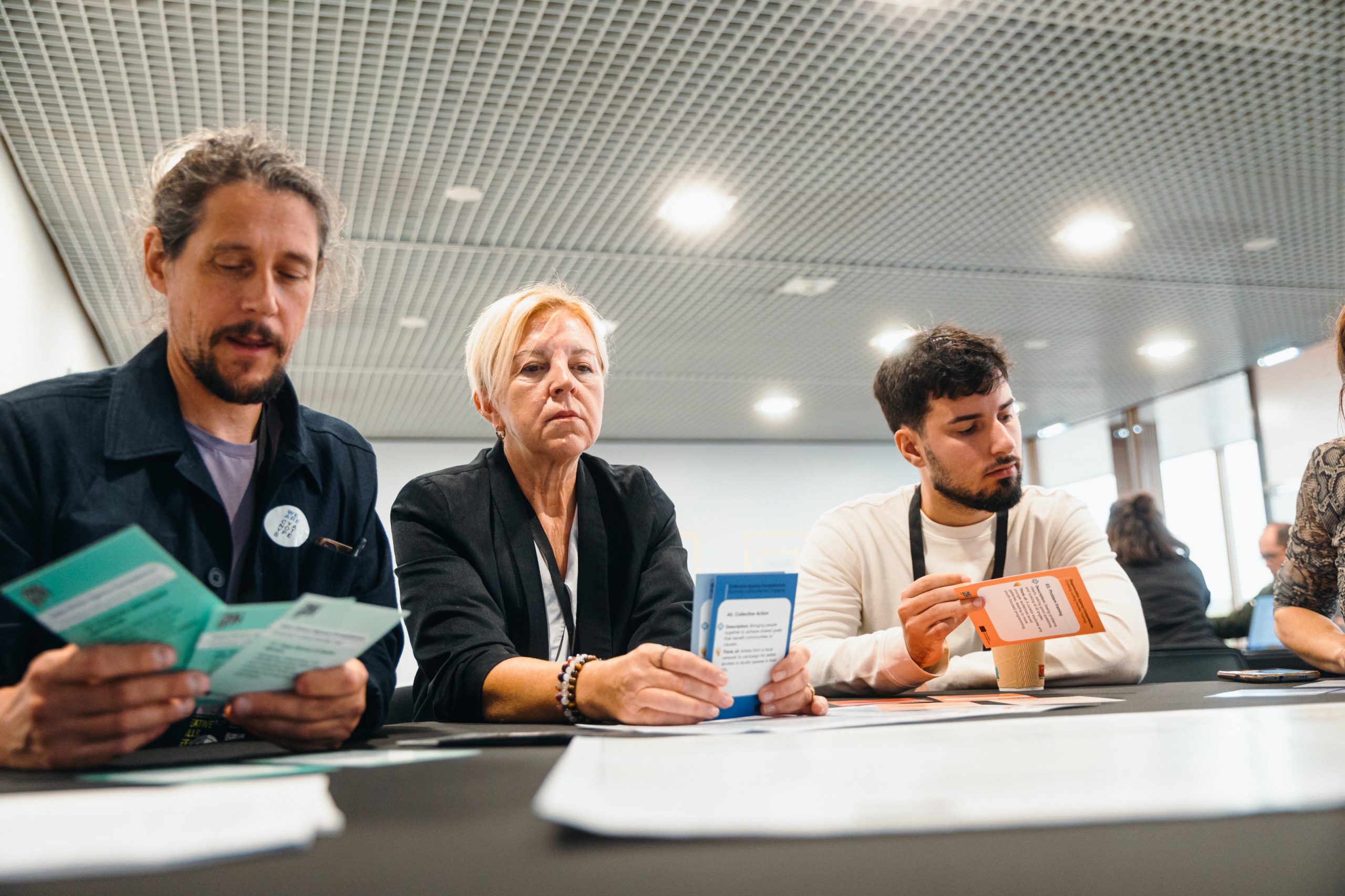
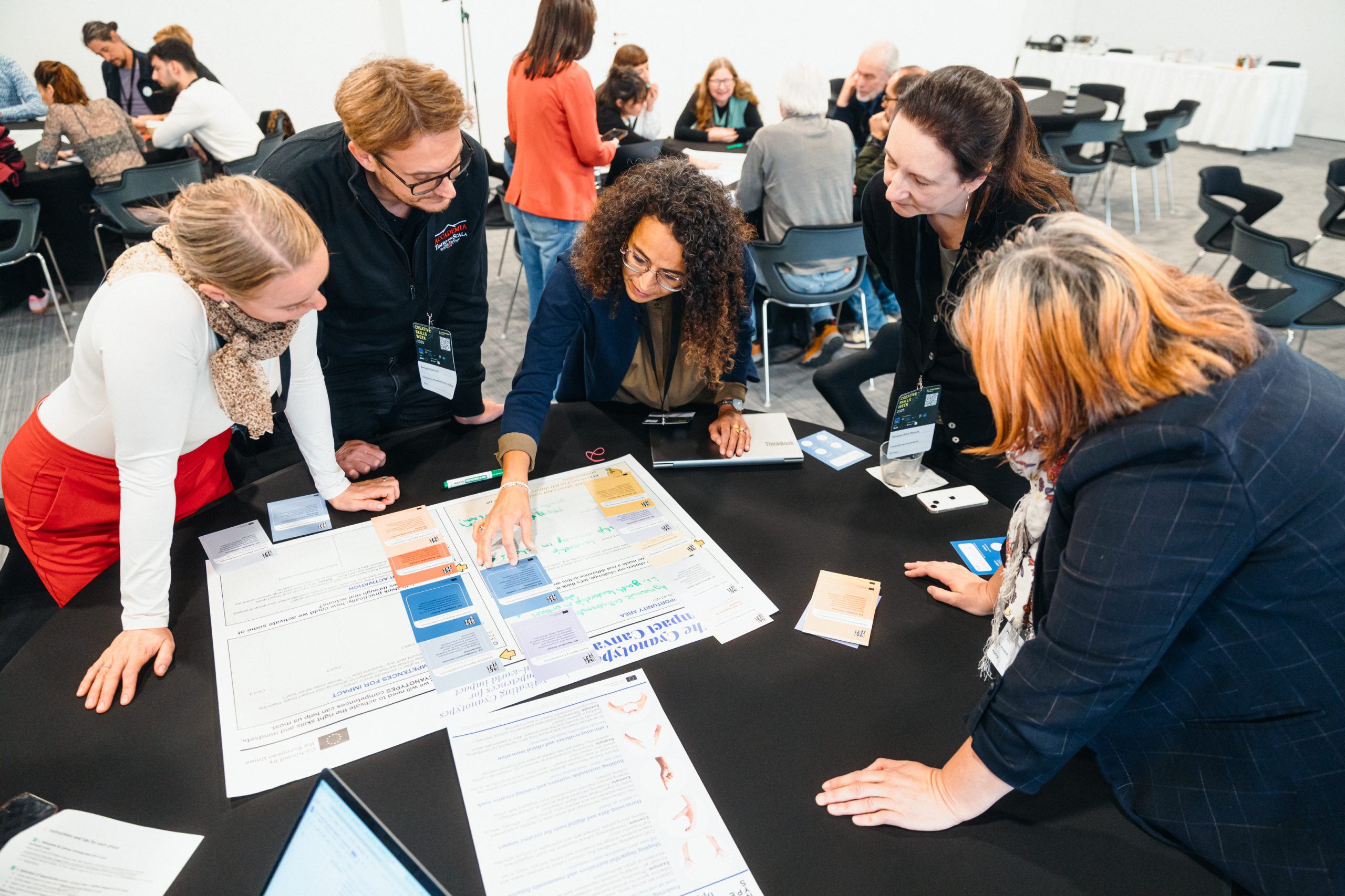
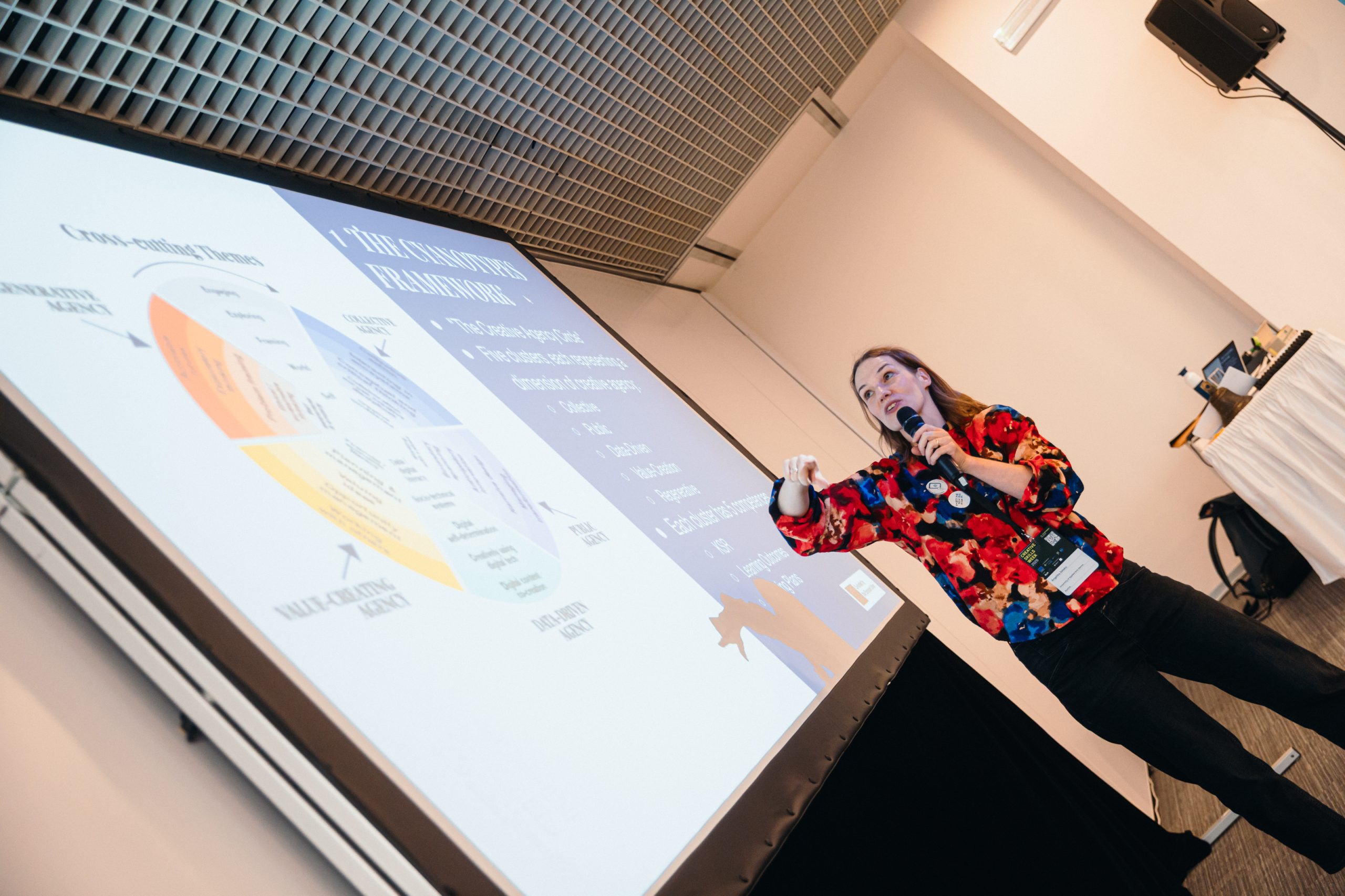
The CYANOTYPES Framework will be used as a design and development tool for the programme, an analytical instrument for understanding existing creative space practices, a reflection framework during the pilot, and a structure for developing the learning pathway. It helps translate practice-based knowledge into learning examples, connect different domains, and design masterclasses that address real-life challenges.
Expected outcomes include a validated set of core competences for creative space makers, insight into success factors and failure mechanisms, developed and tested learning modules, learning formats that combine practice, reflection and collaboration, an initial community of practice, stronger connections between makers, education and policy, and input for a structural programme on creative space development.
Activities undertaken
The participants include future creative space makers, students, educators, experts, municipalities, real estate actors, cultural organisations and community partners.
The key competences identified include systems thinking, boundary crossing and bridging, co-creation and community building, entrepreneurship and value creation, adaptive and future-oriented action, and practical-organisational skills such as real estate management, project development and operations. These map strongly to CYANOTYPES areas such as understanding socio-technical systems, boundary spanning, collaboration, opportunity management, planning and management, and actionable futures.
Outcomes and early learning
The pilot aims to strengthen knowledge and skills within both education and the professional field, improve collaboration with external stakeholders such as municipalities and real estate parties, and build stronger connections between the creative sector, real estate, policy and education.
Short-term impact includes better-equipped participants, new and stronger collaborations, and direct application of knowledge in ongoing projects. Long-term impact includes more sustainable, affordable and well-organised creative workspaces, a stronger urban creative ecosystem, and a healthier, more future-proof arts and cultural climate.
Adding value
The pilot is valuable because it recognises creative space making as a complex professional practice, not just a matter of finding buildings. Its strength lies in connecting artistic initiative with real estate, policy, community building and sustainable business models. It also gives emerging space makers a shared competence language for navigating uncertainty, temporary spaces and cross-sector collaboration.
Possible policy recommendations
This pilot suggests that cultural policy, urban development policy and education providers should support creative space development as a competence field in its own right. Affordable and sustainable creative workspaces require people who can bridge creative communities, municipalities, real estate actors and funding systems. Policy support could fund learning programmes, masterclasses, communities of practice and cross-sector pilots that help creative space makers develop the practical, strategic and collaborative skills needed to sustain urban cultural infrastructure.
Website: https://www.hku.nl
“Creativity is not just a skill; it is a form of agency. The world is changing quickly, and we need frameworks that anticipate change.”
— David Crombie, CYANOTYPES Project Coordinator
Take the challenge: Run a CYANOTYPES Pilot
The CYANOTYPES team invites networks and institutions to take the next step. Lead the transformation by testing and adapting the CYANOTYPES Framework in your own context through tailored Open Pilots.
Start by exploring the CYANOTYPES Toolkit, a practical resource offering frameworks, cards, and templates to guide your organisation through its own journey of unlearning and relearning.
If you are interested in piloting the CYANOTYPES Framework, register here. CYANOTYPES partners will get in touch with you.
Discover examples from partner pilots and scenarios that may help you design your own pilot:
Read updated practical information of the CYANOTYPES Framework: