Pilot Runner: Nimeto (Netherlands)
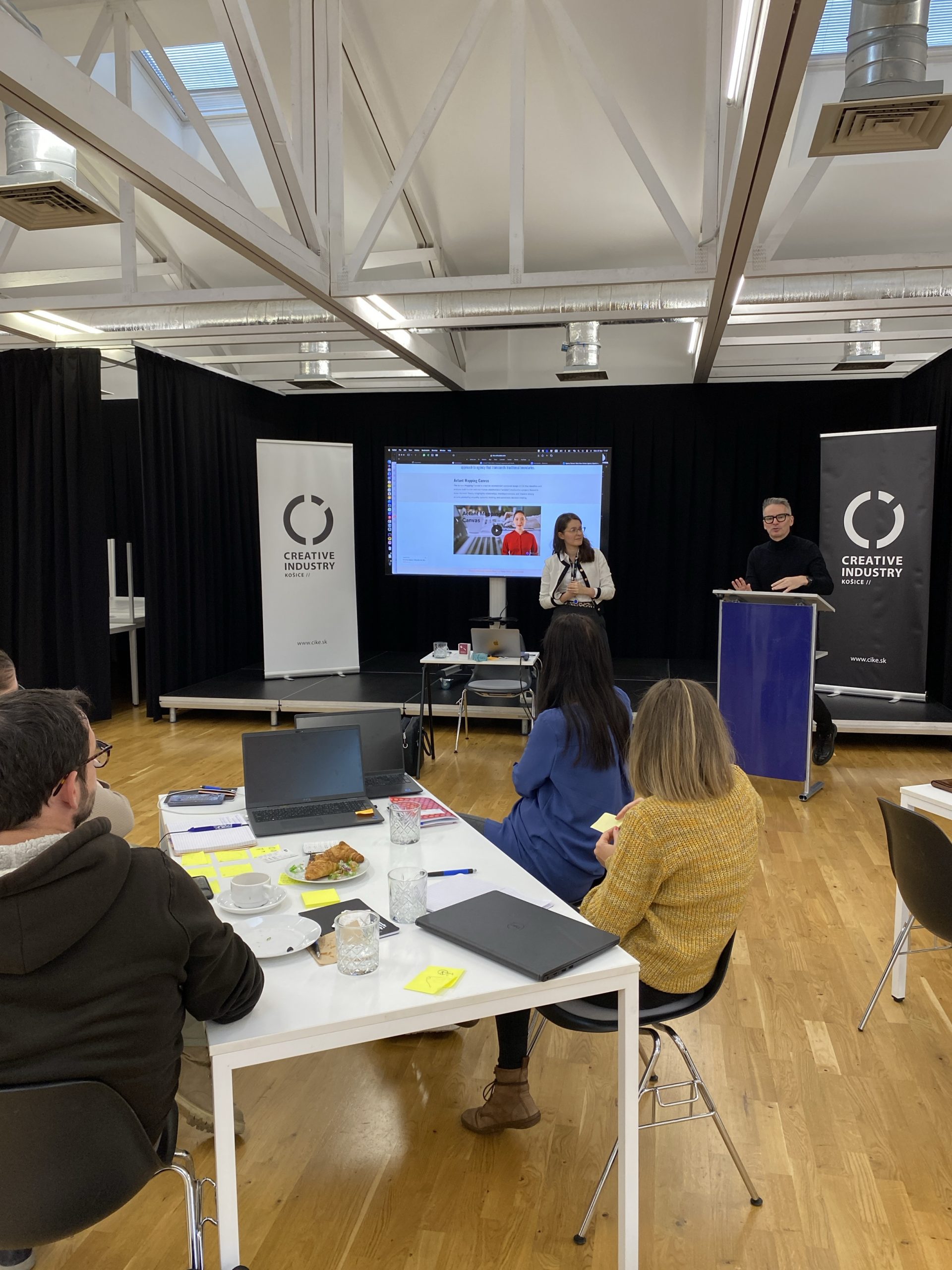
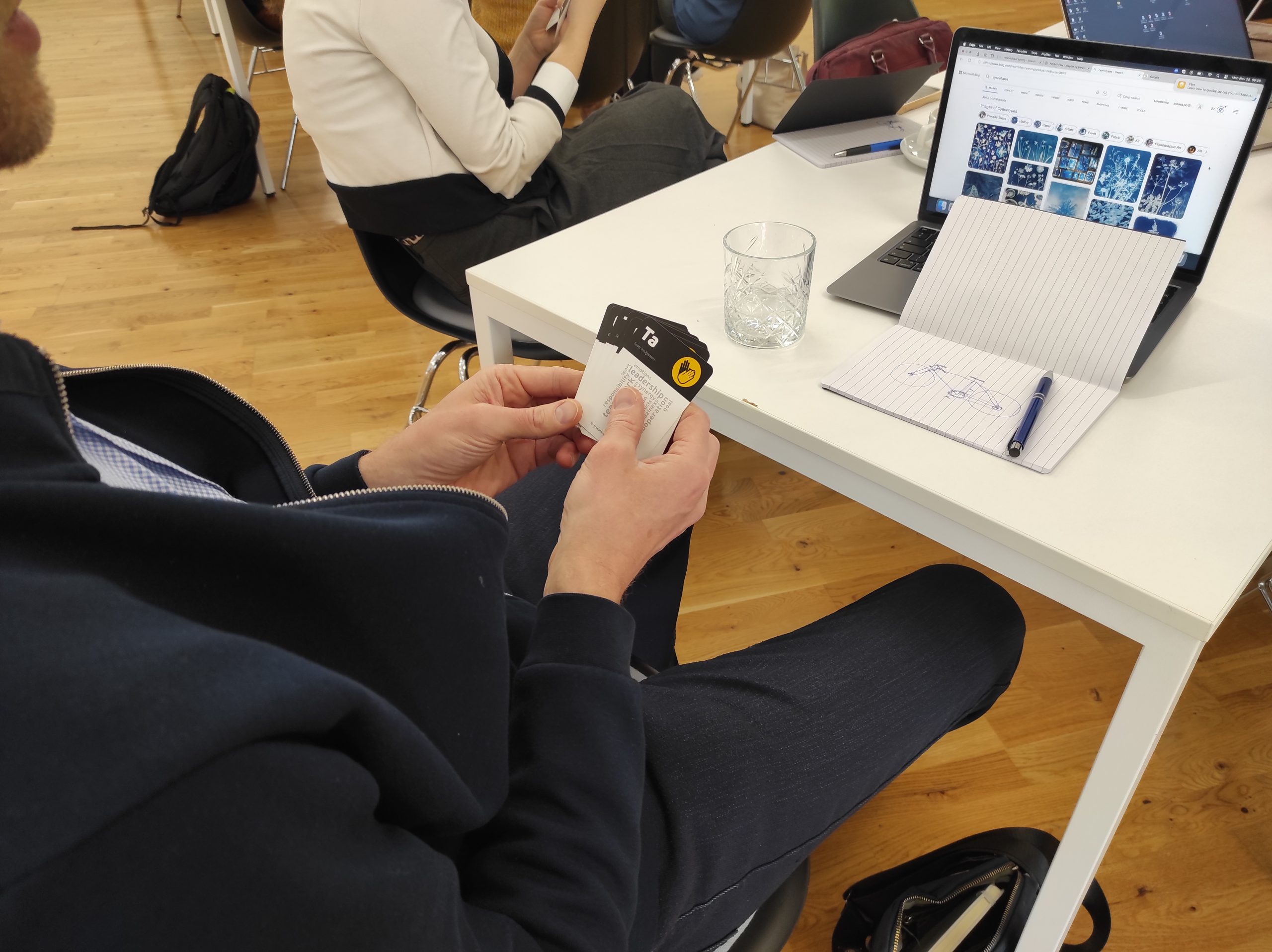
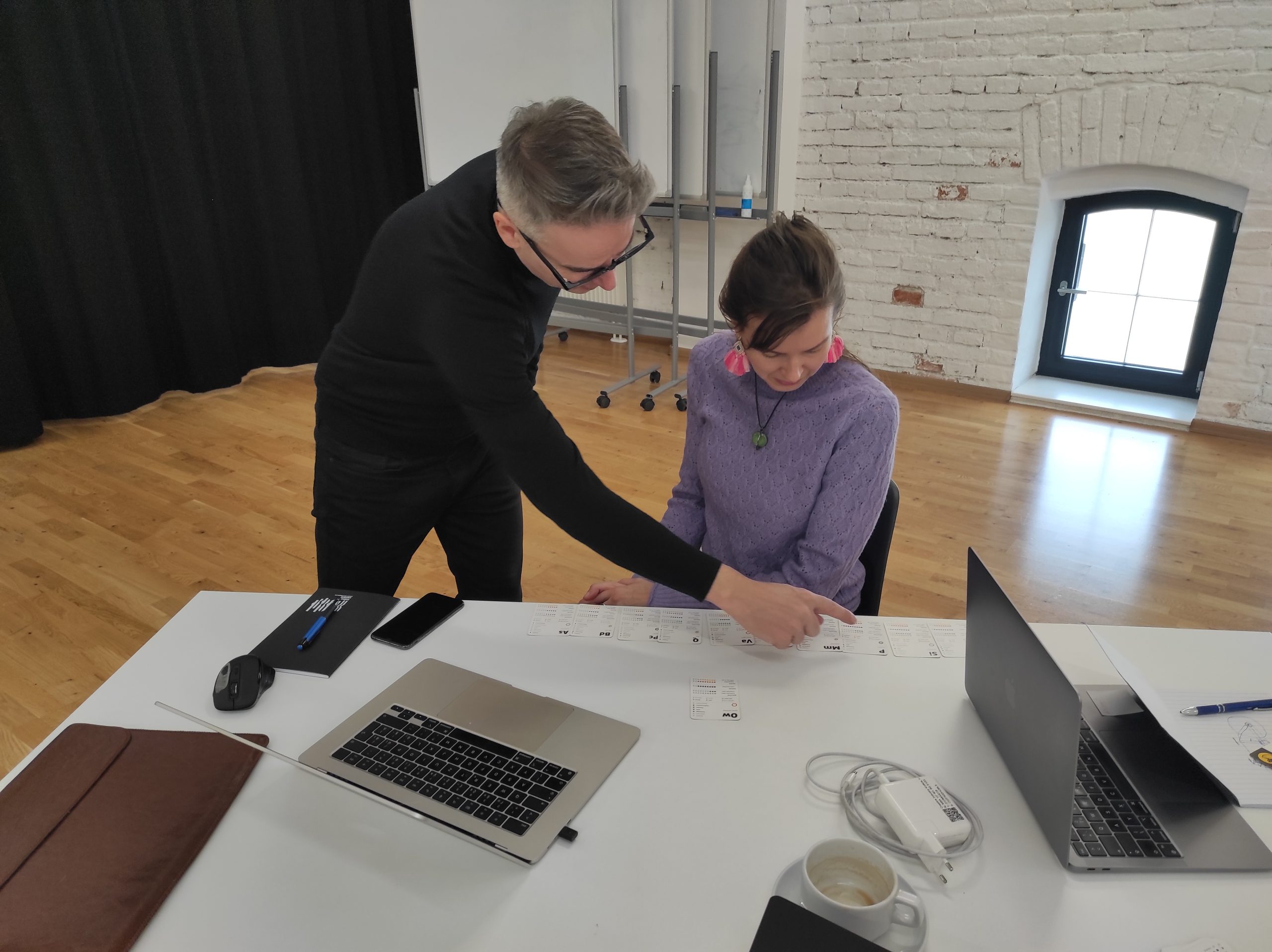
This Open Pilot, hosted by Nimeto in Utrecht, focuses on Embedded Learning for Social Design. The pilot equips participants with the skills and mindset to address complex societal challenges through social design. It combines design thinking with the CYANOTYPES framework so participants can analyse real-world problems, collaborate with stakeholders and develop creative, impactful and practice-based solutions.
The pilot creates a learning environment where education is embedded in authentic social contexts. It shifts learning from abstract competence descriptions to real action: working with real stakeholders, understanding real needs, testing real solutions and reflecting on real impact.
Aims of the pilot
The pilot aims to bridge education and real-world practice by embedding learning in social design contexts. The CYANOTYPES Framework will be used to explore complex societal issues systematically, support participatory and human-centred design processes, strengthen collaboration between participants and stakeholders, and translate insights into educational formats such as courses, workshops or learning trajectories.
The key competence areas include empathic research, creative problem-solving, design thinking, collaboration, co-creation, reflection on personal strengths and professional identity, and experimentation through iterative development. These competences are linked to real-world actions such as engaging stakeholders, understanding needs, testing ideas in practice and reflecting on one’s role in the process.
Activities undertaken
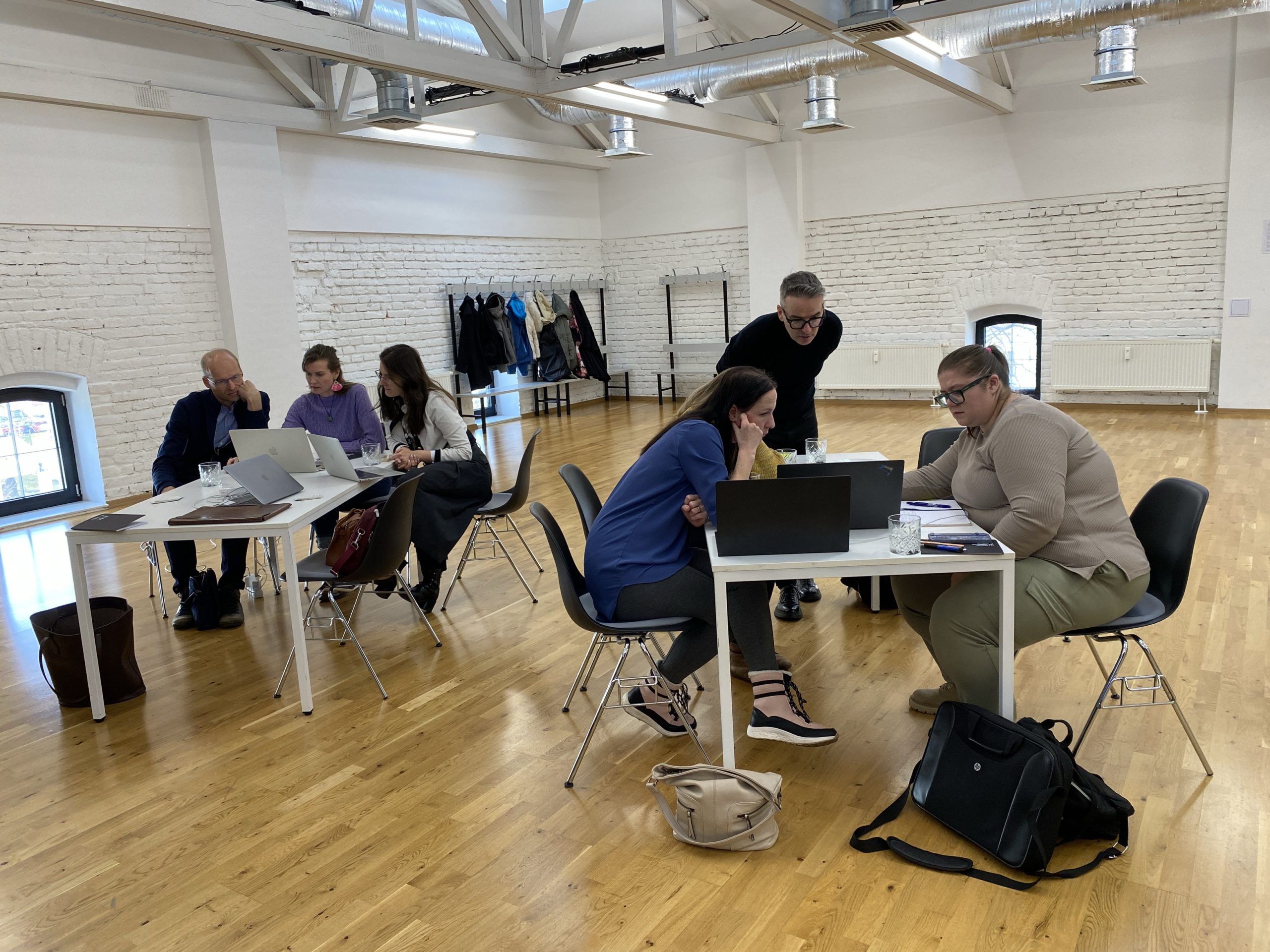
The pilot will involve many students, educators, professionals, organisations and target groups working around social design challenges in Utrecht or similar local contexts.
Planned activities are framed around field research, stakeholder engagement, design thinking workshops, co-creation sessions, prototype development, practice-based testing and reflective learning. These would support the pilot’s aim of connecting competence development to real-life MBO-oriented learning situations.
Outcomes and early learning
Expected outcomes include concrete design proposals or prototypes addressing real societal challenges, deeper insights into target groups through field research, stronger co-creation between stakeholders, personal and professional development for participants, and tested solutions grounded in real-world experimentation.
At ecosystem level, the pilot aims to create meaningful change in local contexts such as Utrecht by embedding social design approaches into education and practice. Expected changes include tangible solutions for neighbourhood and community issues, stronger connections between residents, designers, students, professionals and organisations, a more participatory local innovation ecosystem, and increased involvement of young people and creatives in societal challenges.
Adding value
The pilot is valuable because it places competence development directly inside social reality. Its strength lies in making learning accountable to communities, stakeholders and lived contexts, rather than keeping design education inside the classroom. It also offers a practice-oriented alternative to traditional education models by asking participants to learn through engagement, testing, reflection and impact.
Possible policy recommendations
This pilot suggests that education policy, municipalities and local innovation actors should support embedded social design learning as a bridge between vocational education and community problem-solving. Policy support could fund partnerships between schools, municipalities, residents, designers and social organisations, and recognise prototype-based learning as a meaningful contribution to local well-being. This would help young people and creative learners develop agency while contributing to social cohesion and better living environments.
Website: https://www.nimeto.nl
“Creativity is not just a skill; it is a form of agency. The world is changing quickly, and we need frameworks that anticipate change.”
— David Crombie, CYANOTYPES Project Coordinator
Take the challenge: Run a CYANOTYPES Pilot
The CYANOTYPES team invites networks and institutions to take the next step. Lead the transformation by testing and adapting the CYANOTYPES Framework in your own context through tailored Open Pilots.
Start by exploring the CYANOTYPES Toolkit, a practical resource offering frameworks, cards, and templates to guide your organisation through its own journey of unlearning and relearning.
If you are interested in piloting the CYANOTYPES Framework, register here. CYANOTYPES partners will get in touch with you.
Discover examples from partner pilots and scenarios that may help you design your own pilot:
Read updated practical information of the CYANOTYPES Framework: