Pilot Runner: Hogeschool Utrecht (Netherlands)
This Open Pilot, hosted by Hogeschool Utrecht (HU), focuses on Exploring Value Creation. The pilot develops and tests a new didactic approach within the curriculum, with a specific focus on value creation and economic literacy. It addresses a content gap in the existing programme and experiments with richer, more practice-oriented teaching methods.
The pilot creates a learning environment where students, lecturers and curriculum developers can explore how creative makers articulate value, especially in a professional field increasingly shaped by AI. It aims to help students understand not only what they make, but why it matters, for whom, and how its value can be communicated.
Aims of the pilot
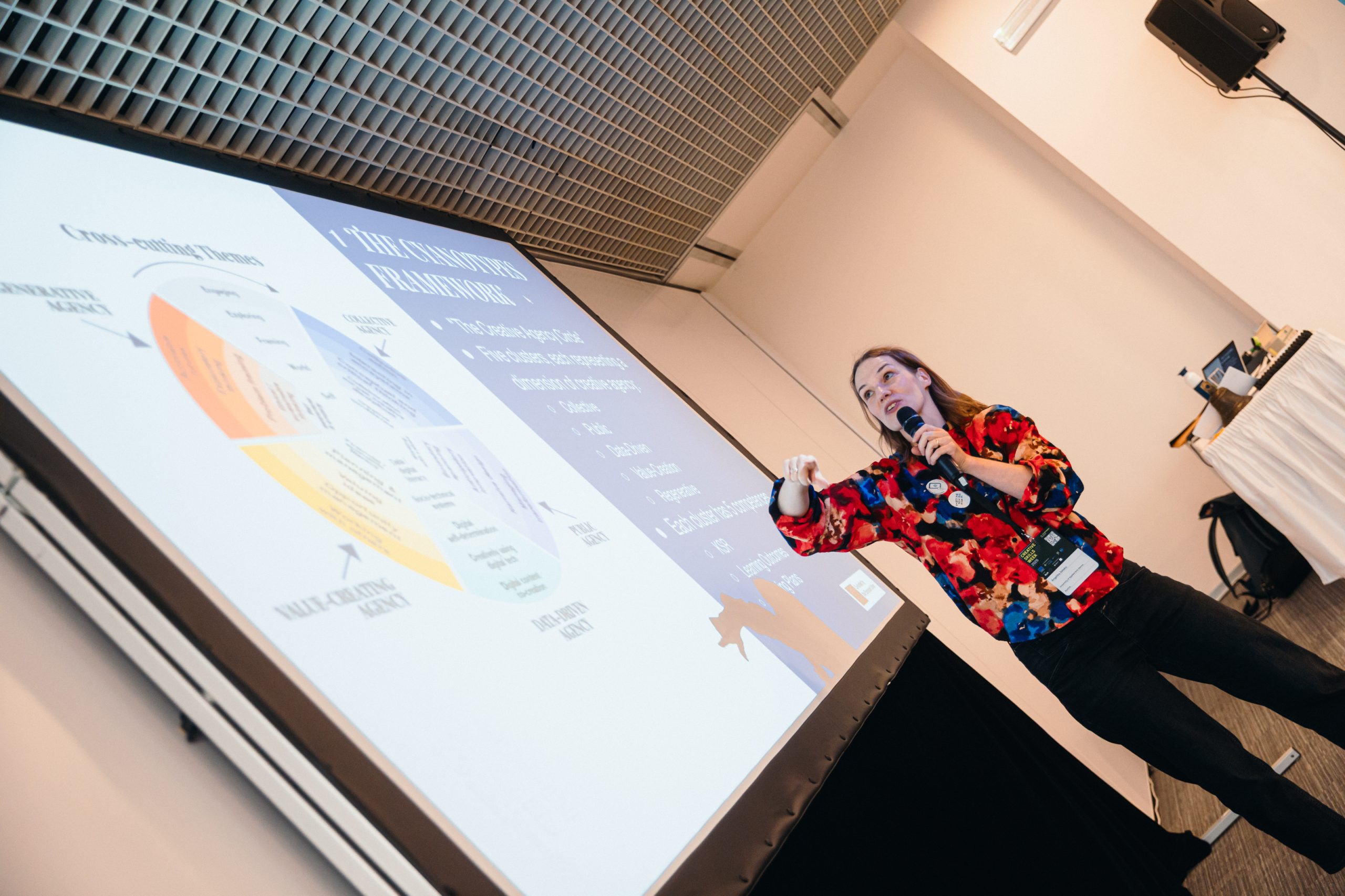
The pilot uses the CYANOTYPES Framework to adapt an existing training module, develop a new training module, support lifelong learning, create a new didactic approach, support curriculum development around value creation, and collaborate with partner organisations such as UCC.
The expected outcomes include development of economic literacy among students, the ability to formulate a value statement, enrichment of curriculum components on value creation, practical application of new didactic methods such as game-based learning, and insights into the usability of CYANOTYPES tools in a maker- and practice-oriented context.
The pilot focuses on competences linked to value creation, economic literacy, reflection, design-oriented practice, interdisciplinary collaboration, experiential and game-based learning, and the triple-loop learning approach.
Activities undertaken
The primary participants are higher education students, lecturers, instructors and curriculum developers. In future lifelong learning formats, creative professionals may also be included. Secondary stakeholders include partner organisations such as UCC and broader HU curriculum teams, who will be involved through knowledge exchange, feedback loops, pilot documentation and toolkit evaluation.
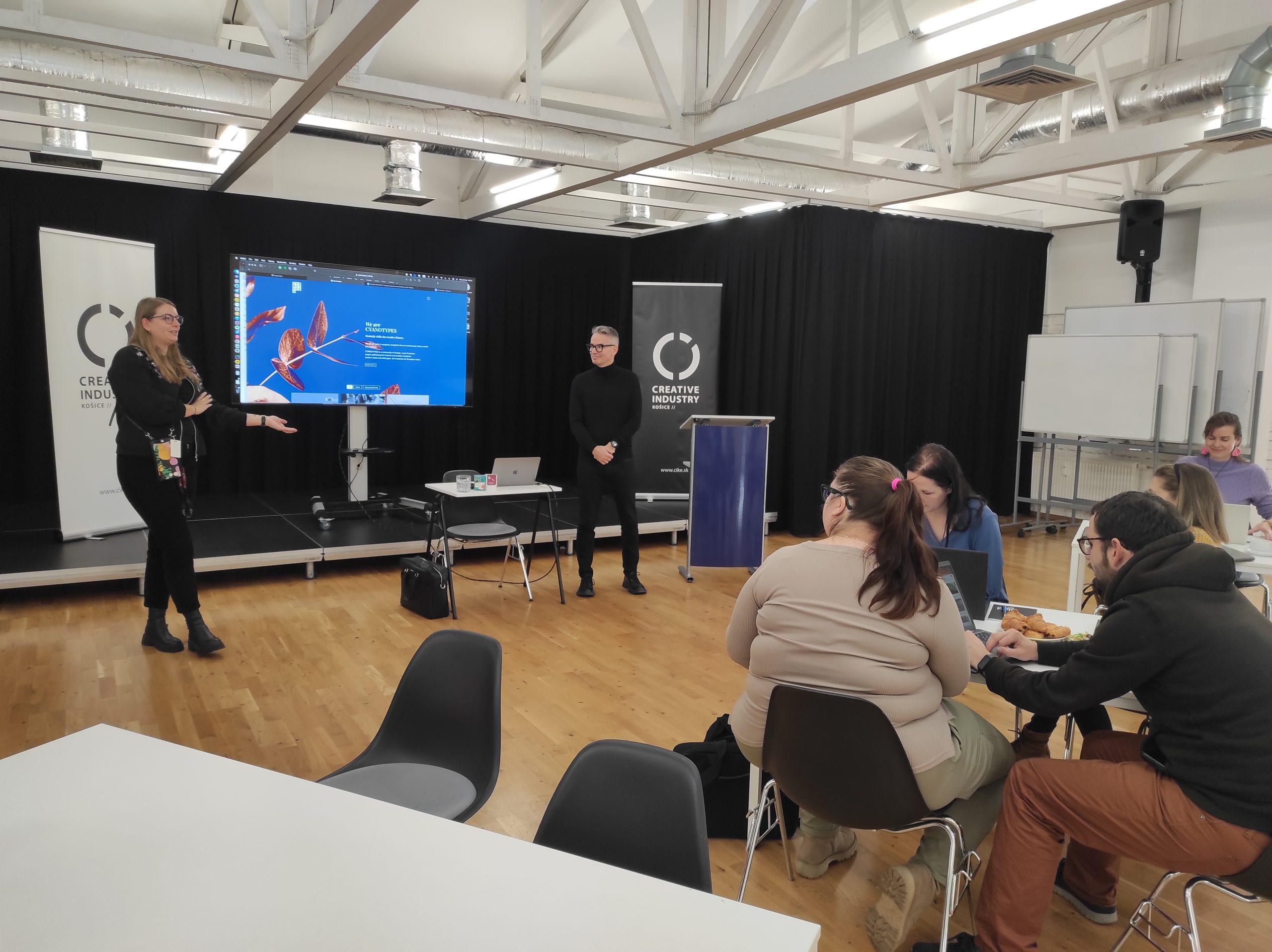
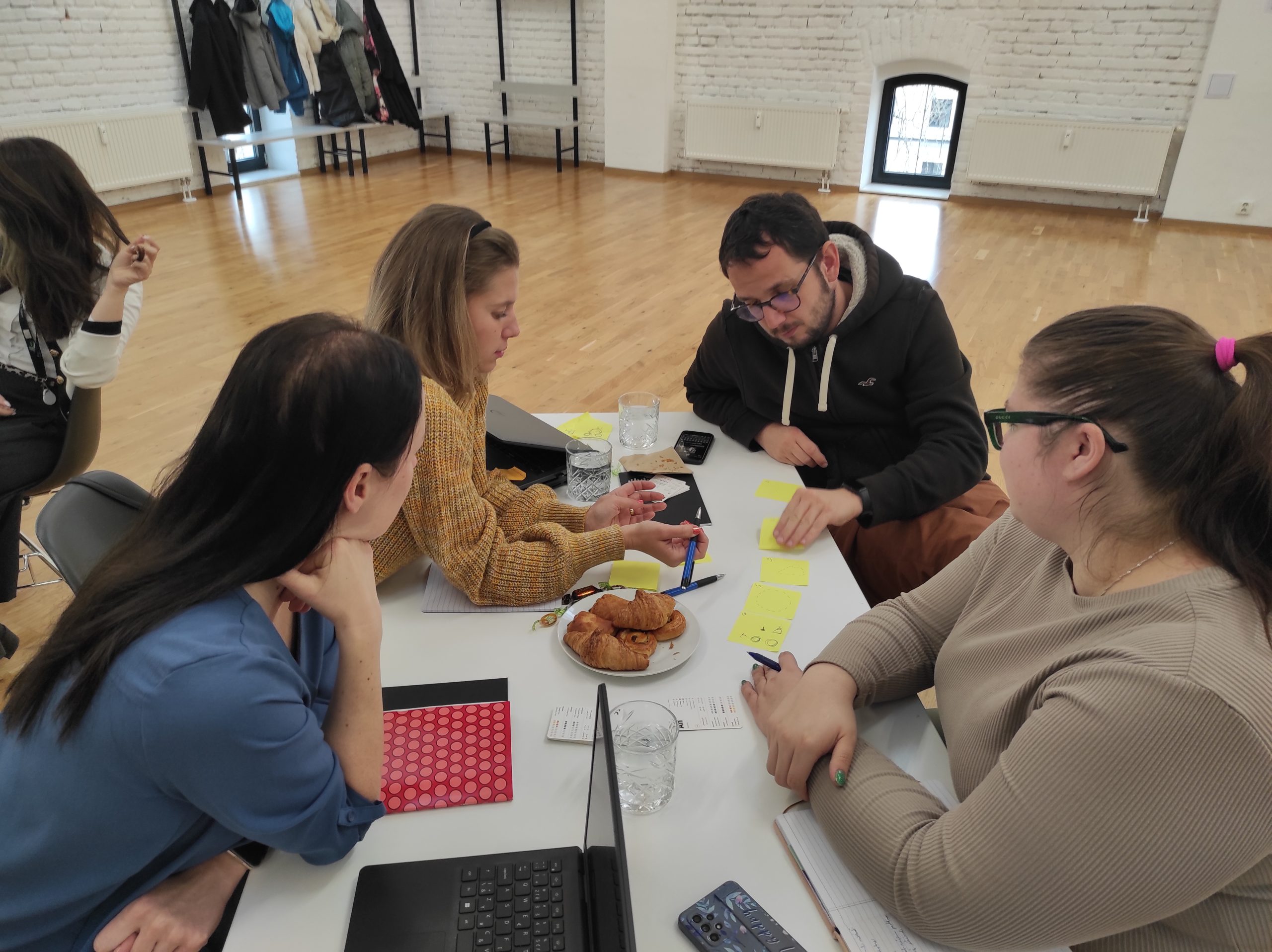
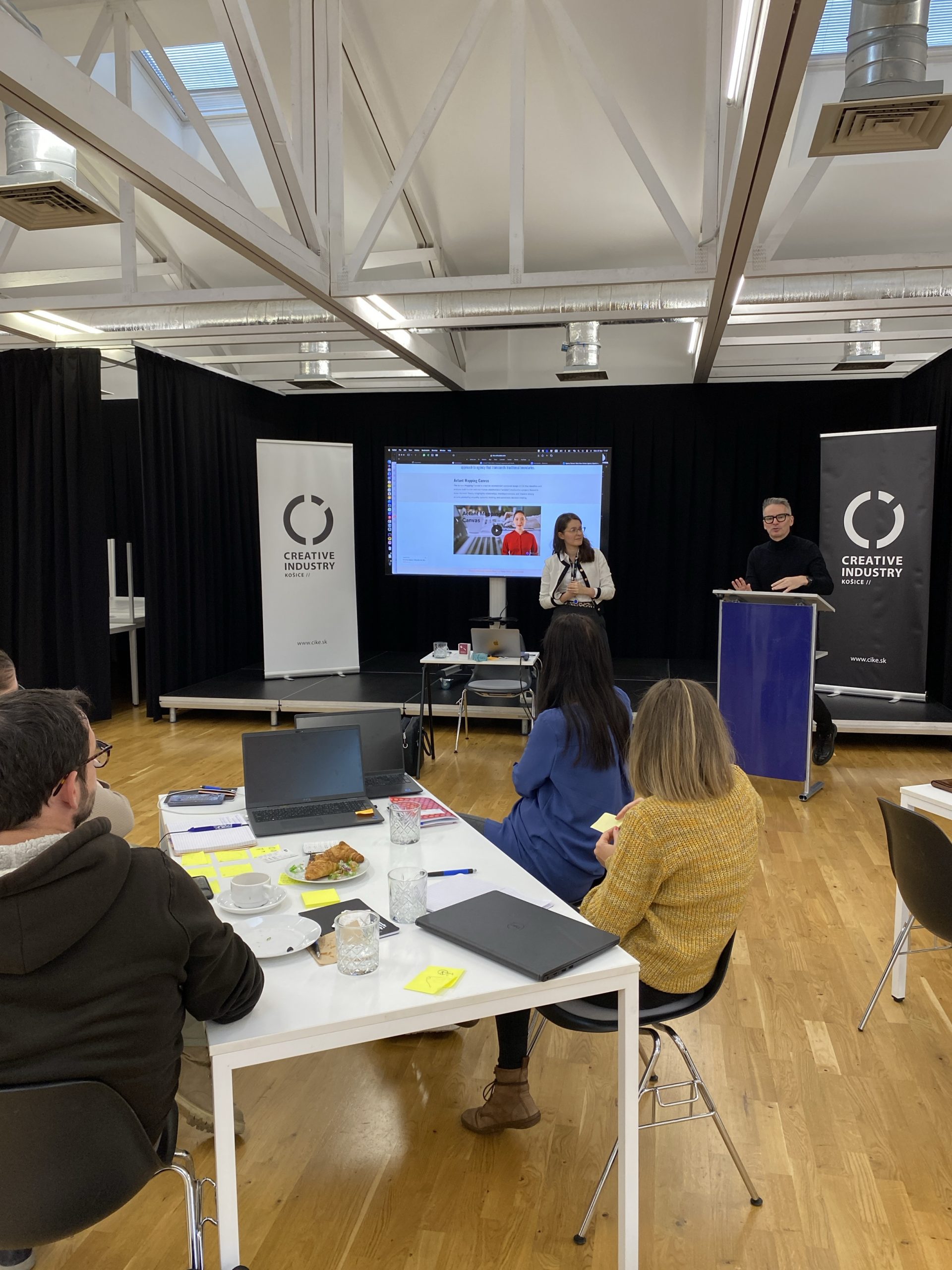
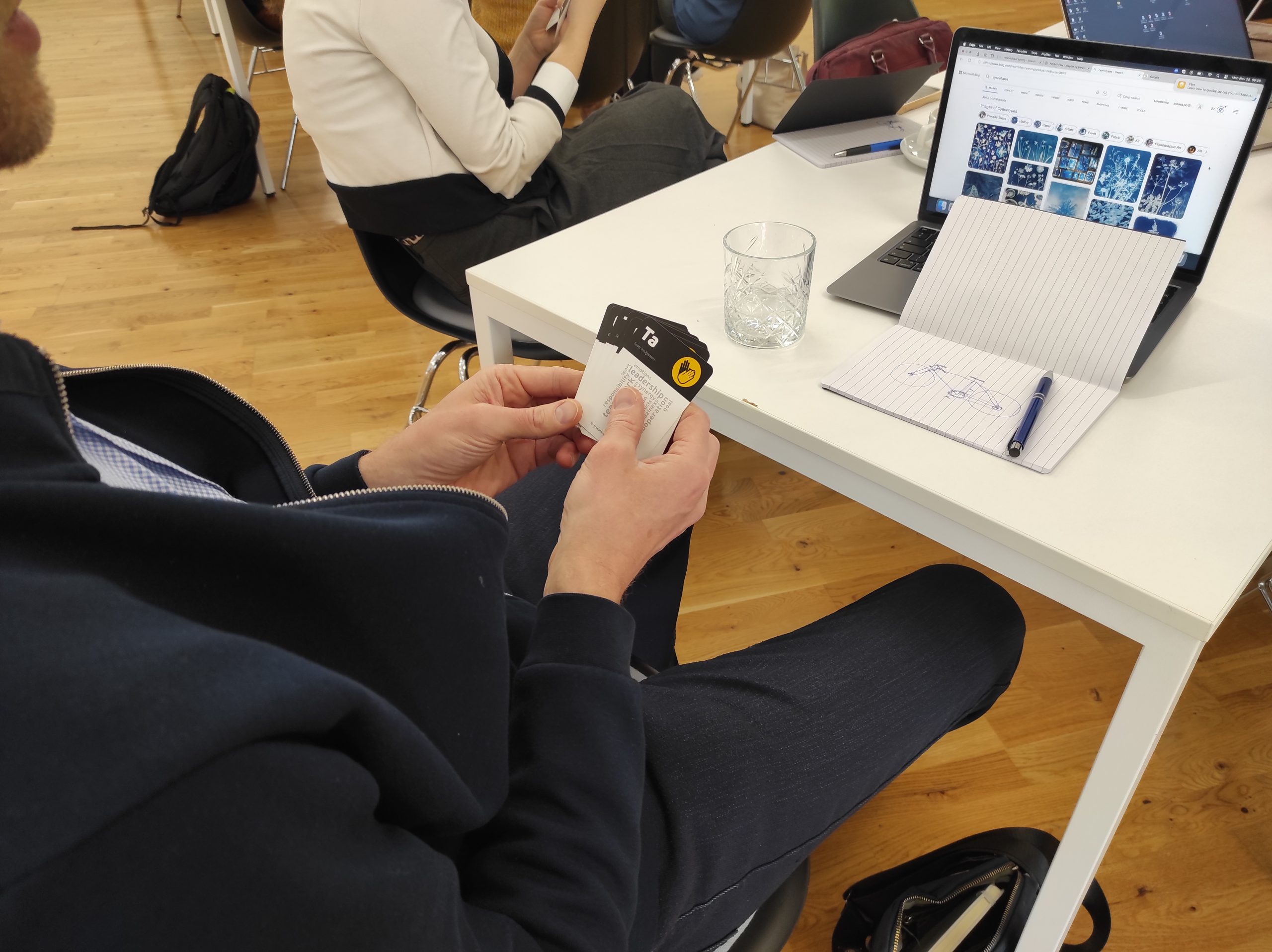
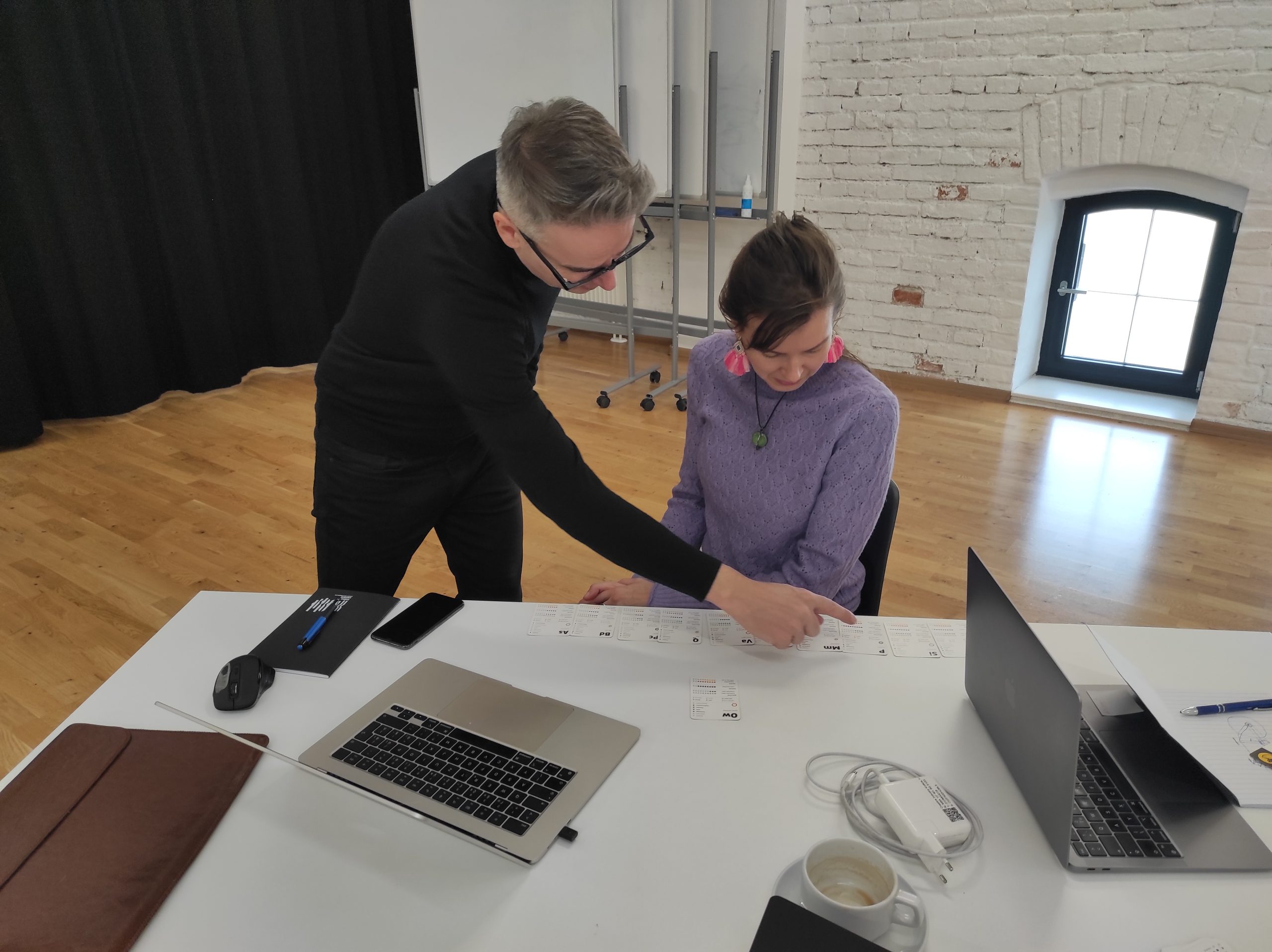
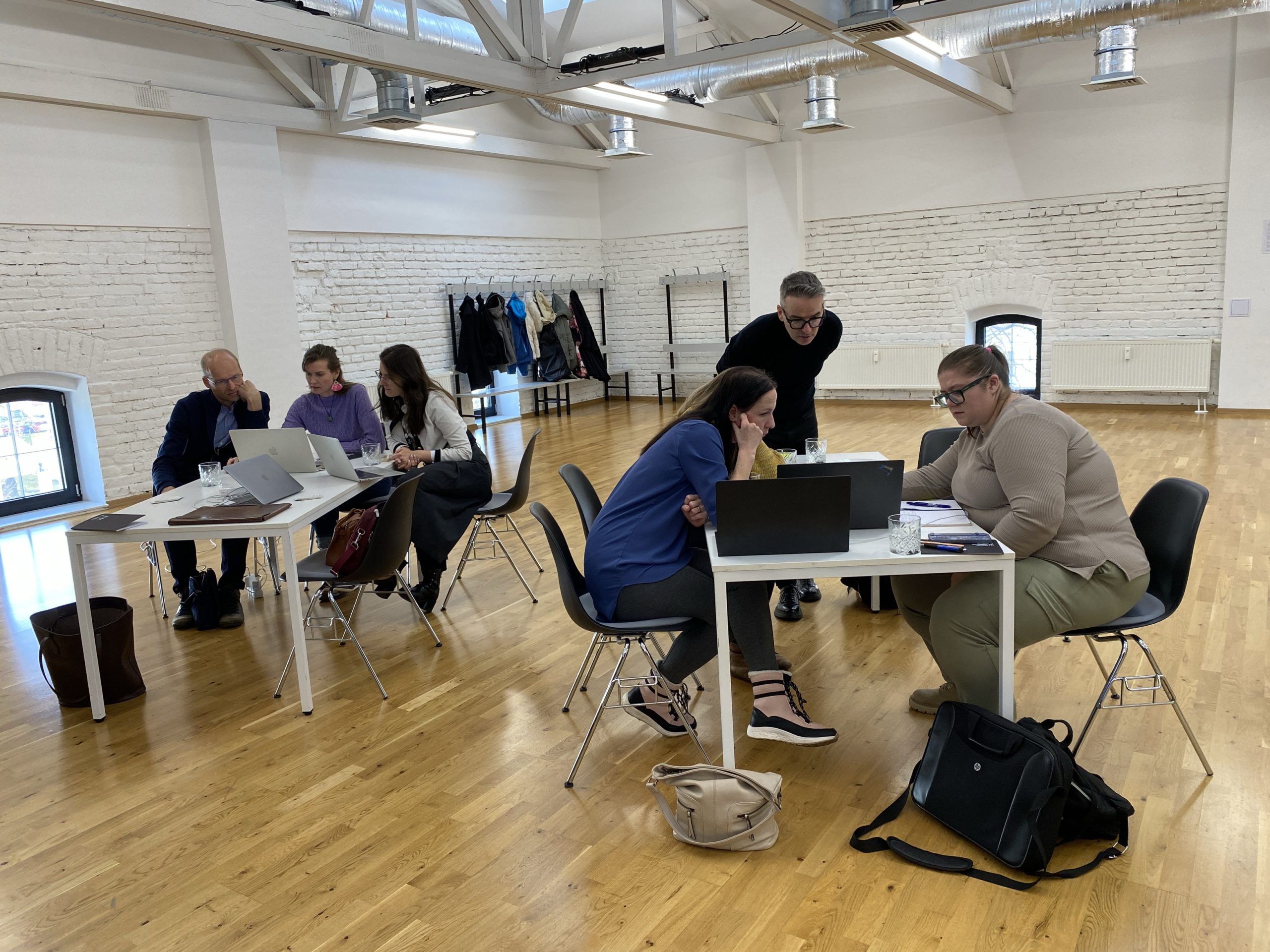
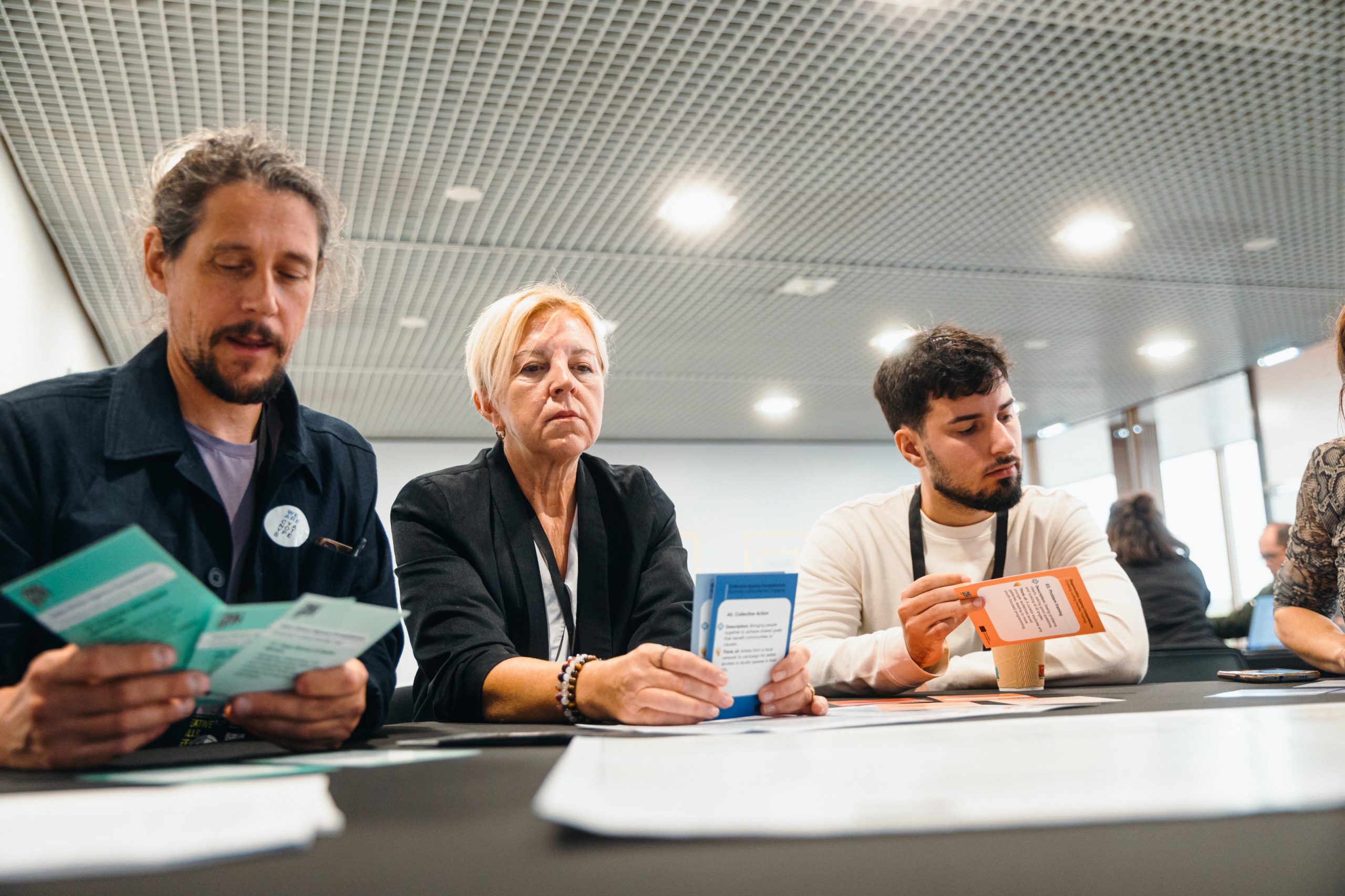
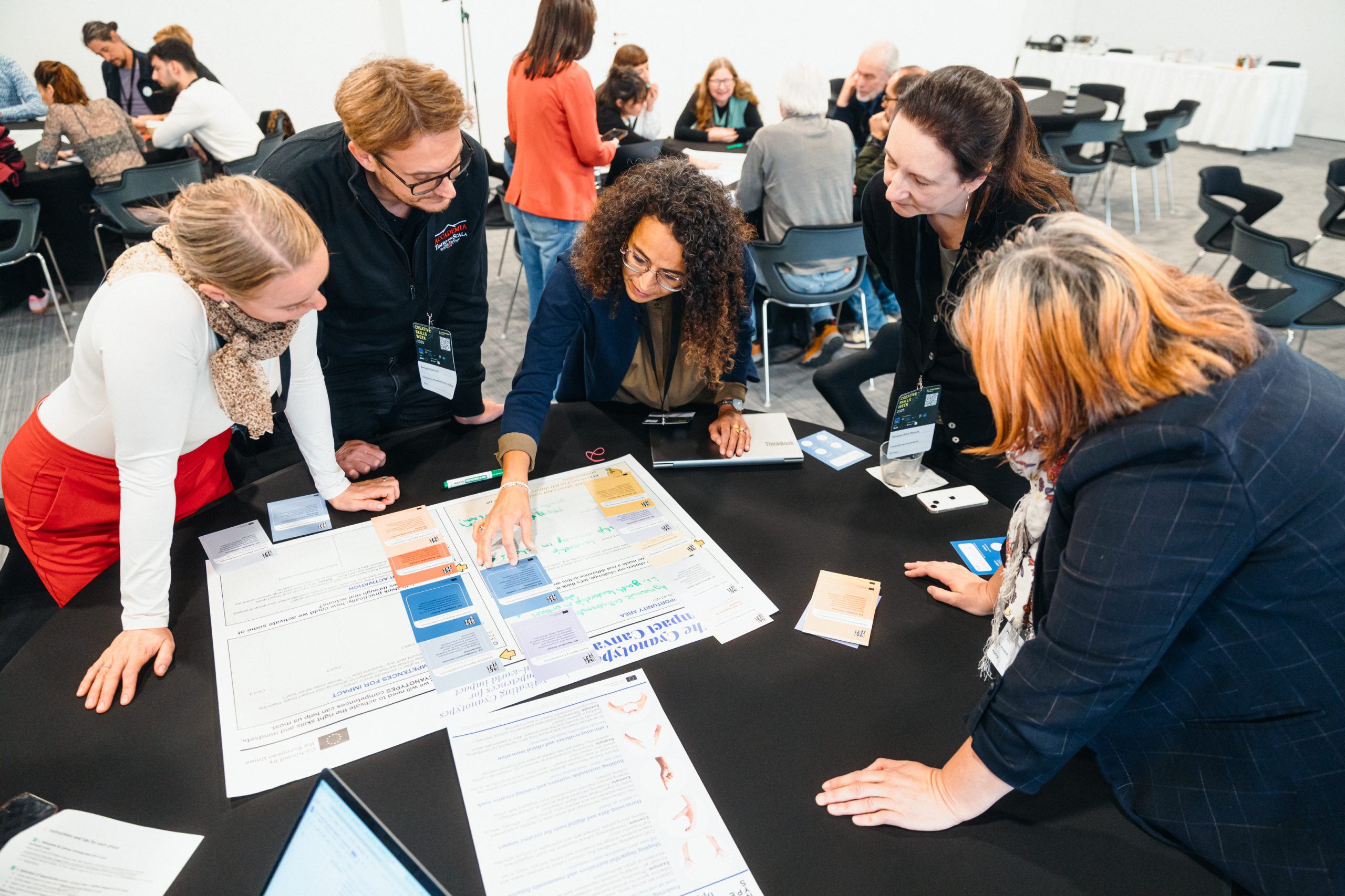
Activities include design-based workshops within the Experience Design minor, game-based and experimental didactic activities, curriculum development sessions, use of CYANOTYPES tools such as the Blueprinter and cards, and reflective learning sessions with students. The pilot follows four phases: preparation, implementation, reflection and evaluation, and consolidation.
Outcomes and early learning
Outcomes will be applied through integrating value creation and value statement development into the curriculum, refining teaching methods and modules, disseminating insights within the programme team, embedding CYANOTYPES tools into future teaching practice, and strengthening the alignment between education and professional practice.
The pilot has strong potential for expansion into other curriculum modules, further development of game-based didactics, improved learning tools, spin-off pilots in other disciplines, and broader use in similar educational contexts.
Adding value
The pilot is valuable because it addresses a growing need for creative students to articulate their unique human value in an AI-driven context. Its strength lies in connecting value creation, economic literacy and experimental didactics, so that students can learn through action, play, reflection and practical articulation rather than through abstract business language alone.
Possible policy recommendations
This pilot suggests that higher education policy and curriculum development should support value creation and economic literacy as core competences in creative education. Policy support could fund experimental learning formats, game-based approaches and partnerships between education and professional practice. As AI reshapes creative work, students need structured opportunities to define and communicate the human, social and economic value of their creative contributions.
Website: https://www.hu.nl/
“Creativity is not just a skill; it is a form of agency. The world is changing quickly, and we need frameworks that anticipate change.”
— David Crombie, CYANOTYPES Project Coordinator
Take the challenge: Run a CYANOTYPES Pilot
The CYANOTYPES team invites networks and institutions to take the next step. Lead the transformation by testing and adapting the CYANOTYPES Framework in your own context through tailored Open Pilots.
Start by exploring the CYANOTYPES Toolkit, a practical resource offering frameworks, cards, and templates to guide your organisation through its own journey of unlearning and relearning.
If you are interested in piloting the CYANOTYPES Framework, register here. CYANOTYPES partners will get in touch with you.
Discover examples from partner pilots and scenarios that may help you design your own pilot:
Read updated practical information of the CYANOTYPES Framework: