Pilot Runner: Creatives for Education in Austria
This Open Pilot, hosted by Creatives for Education in Austria, is titled “Zukünfte, wo seid ihr?” – Transformationstage an Schulen / “Futures, where are you?” – Transformation Days at Schools. The pilot opens an experience-based learning space where young people work with creative professionals from Austria’s Culture and Creative Industries to explore societal transformation as something they can actively shape.
The pilot creates a lively school-based format where creativity, values, collective action and self-efficacy are developed through artistic and participatory methods. Rather than presenting the future as an abstract or overwhelming megatrend, the format helps students make possible futures tangible, negotiable and actionable.
Aims of the pilot
The pilot aims to build creativity, collective agency, values literacy and self-efficacy among upper secondary students. It uses the unique capacity of creative practice to turn complex futures into shared experiences that students can discuss, test and act upon.
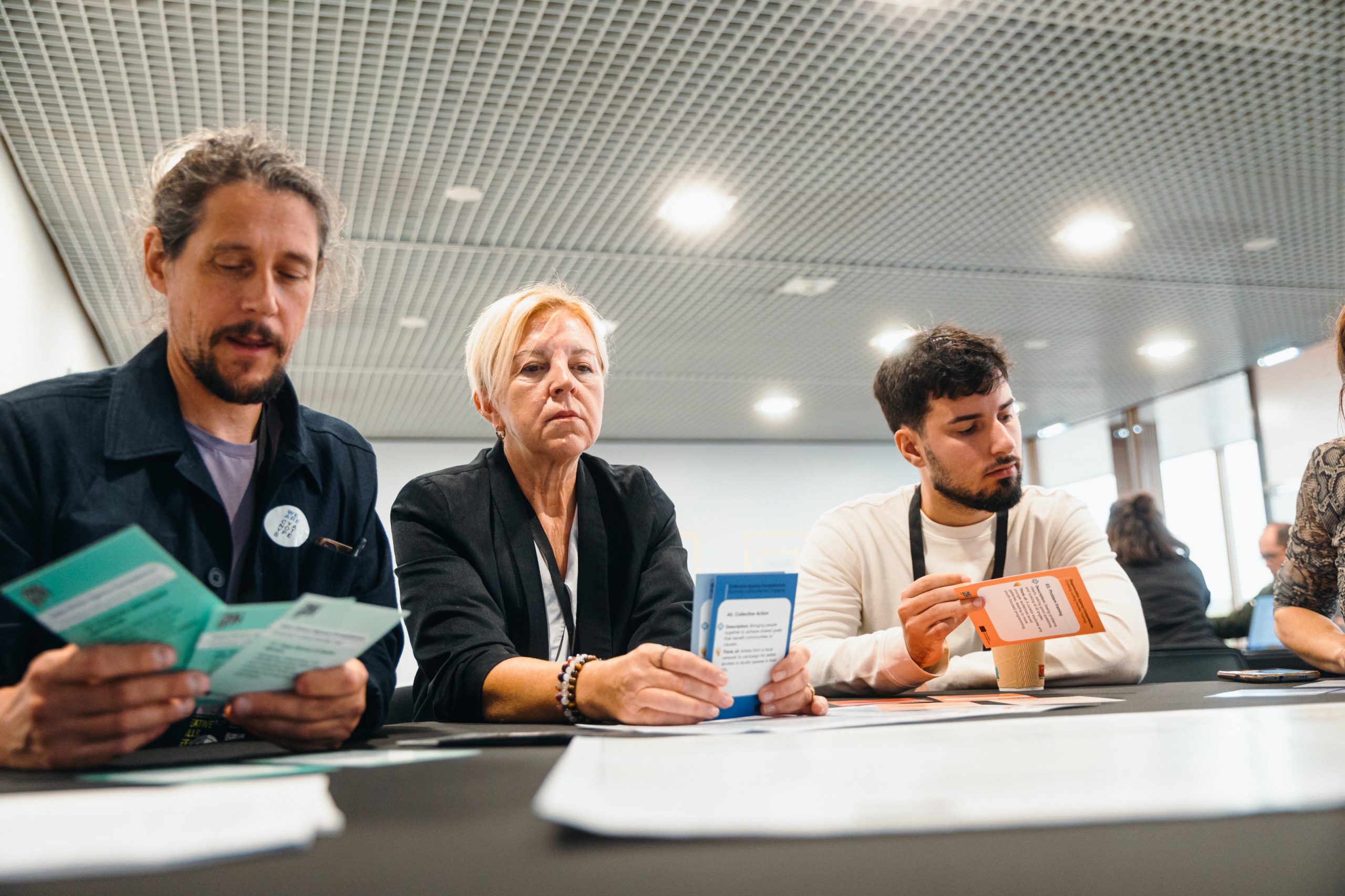
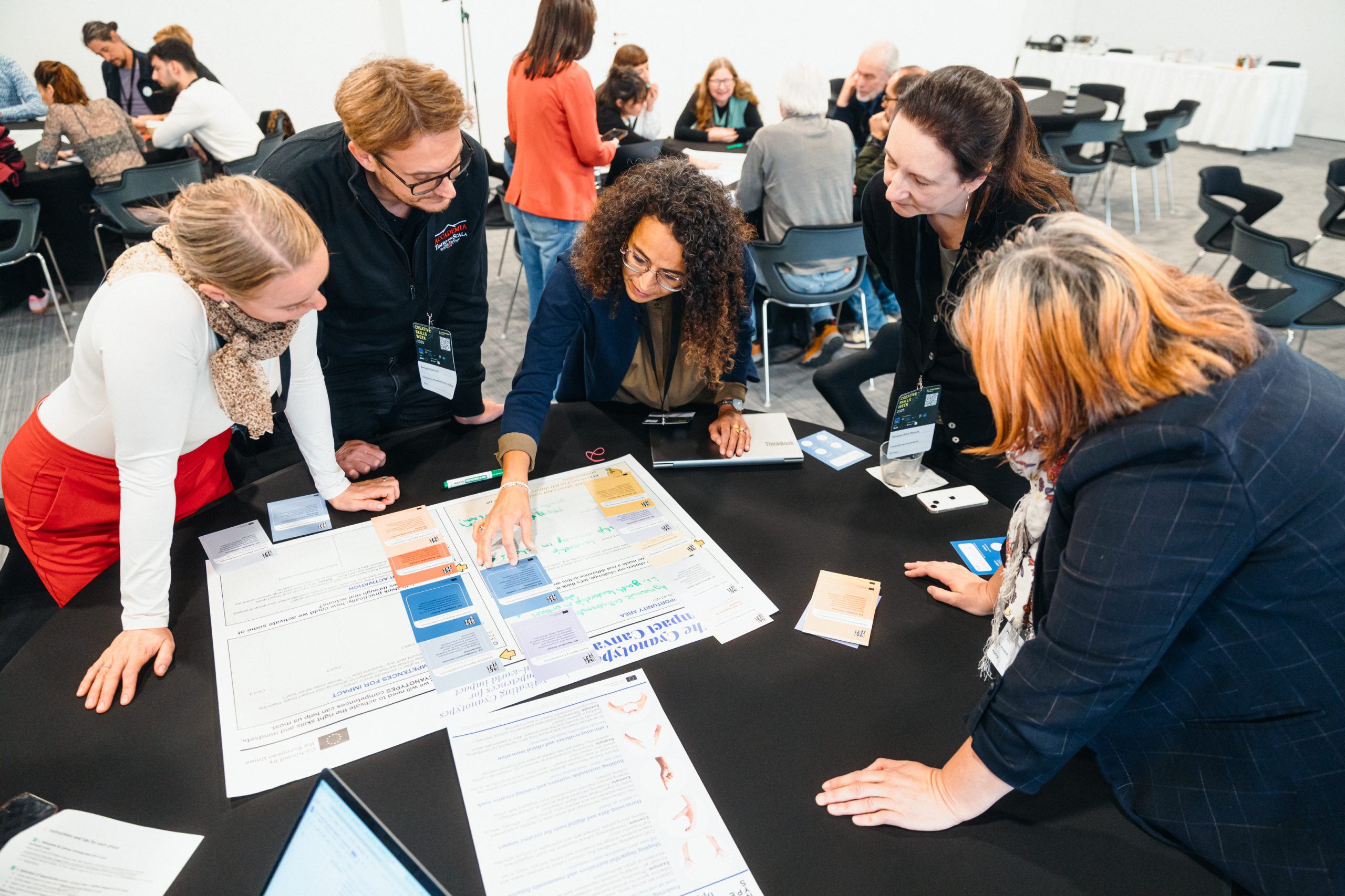
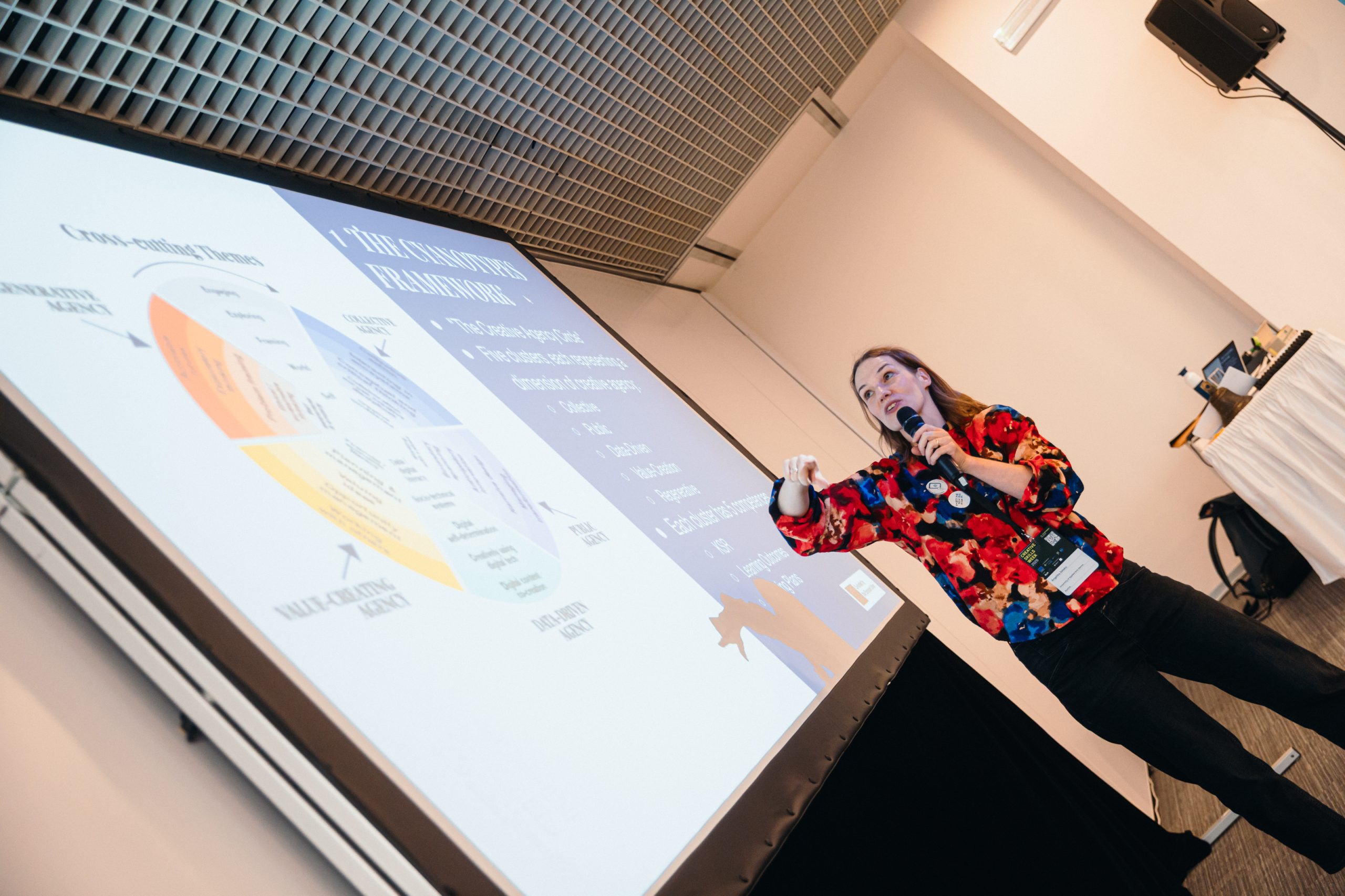
The CYANOTYPES Framework provides the competence language and structural backbone for the format. It helps Creatives for Education make explicit which creative agency competences are being developed, while supporting reflection, iteration and communication of the format’s educational logic to schools, partners and funders.
The main competences addressed are:
A1 – Creative Confidence
A2 – Collaboration Across Creative Disciplines
A5 – Collective Action
B1 – Working with Values
B4 – Narrative Design
E1 – Self-Awareness and Empathy
E2 – Ethical and Sustainable Thinking
E4 – Exploratory Thinking
These are developed through co-creative workshop formats, the Future Formula, Feedback Theater, and the wider arc of the Transformation Days.
Activities undertaken
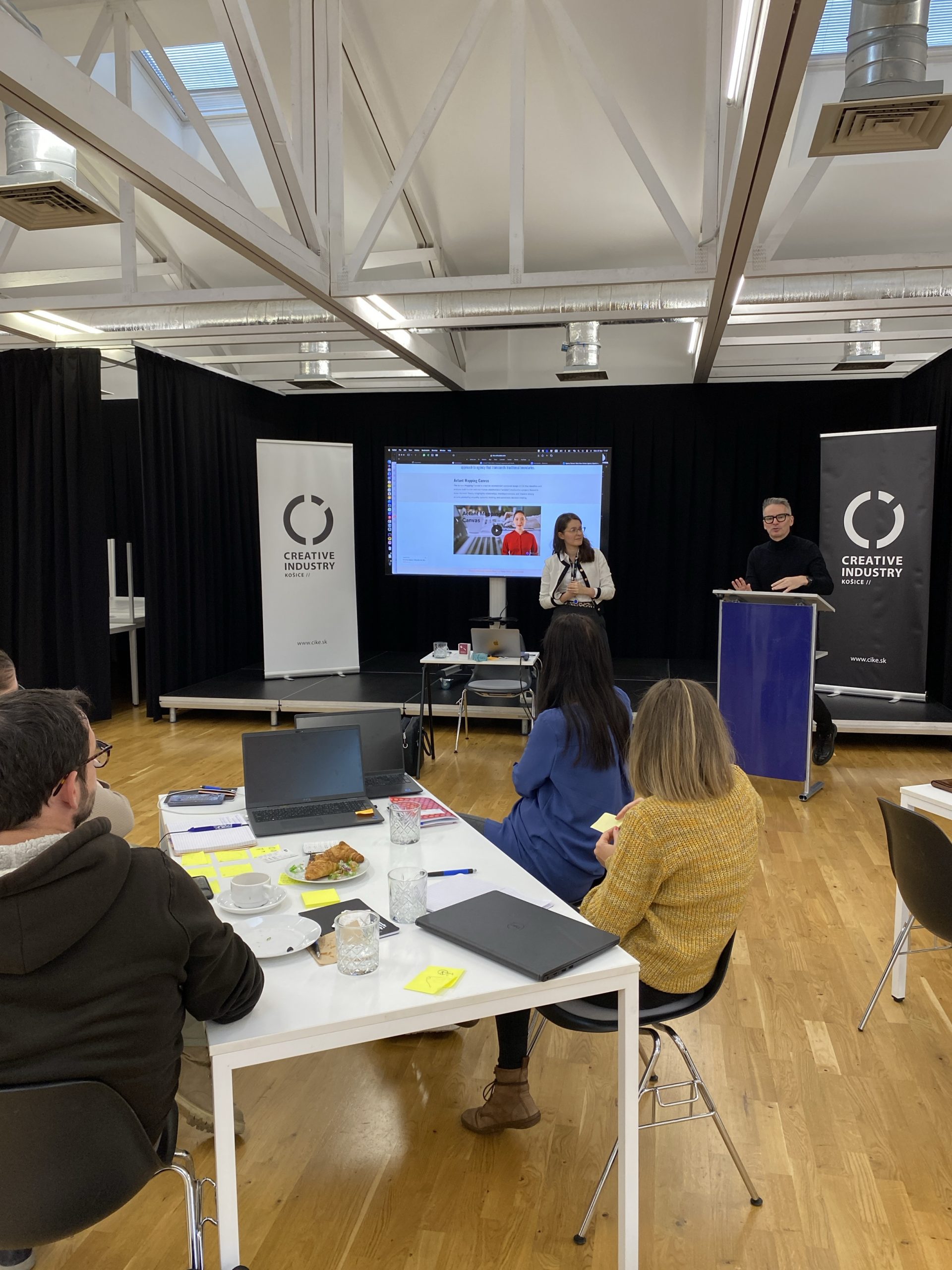
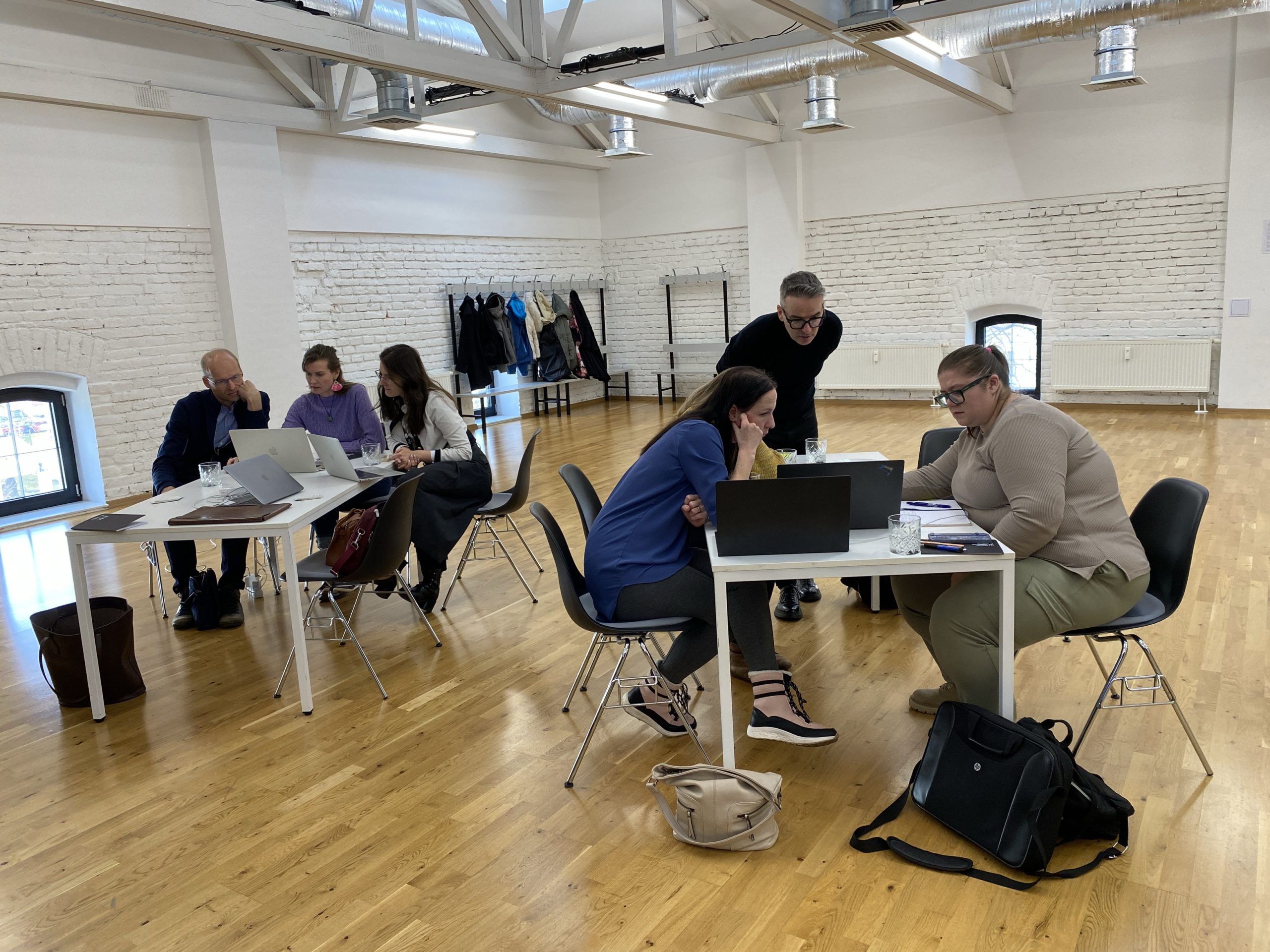
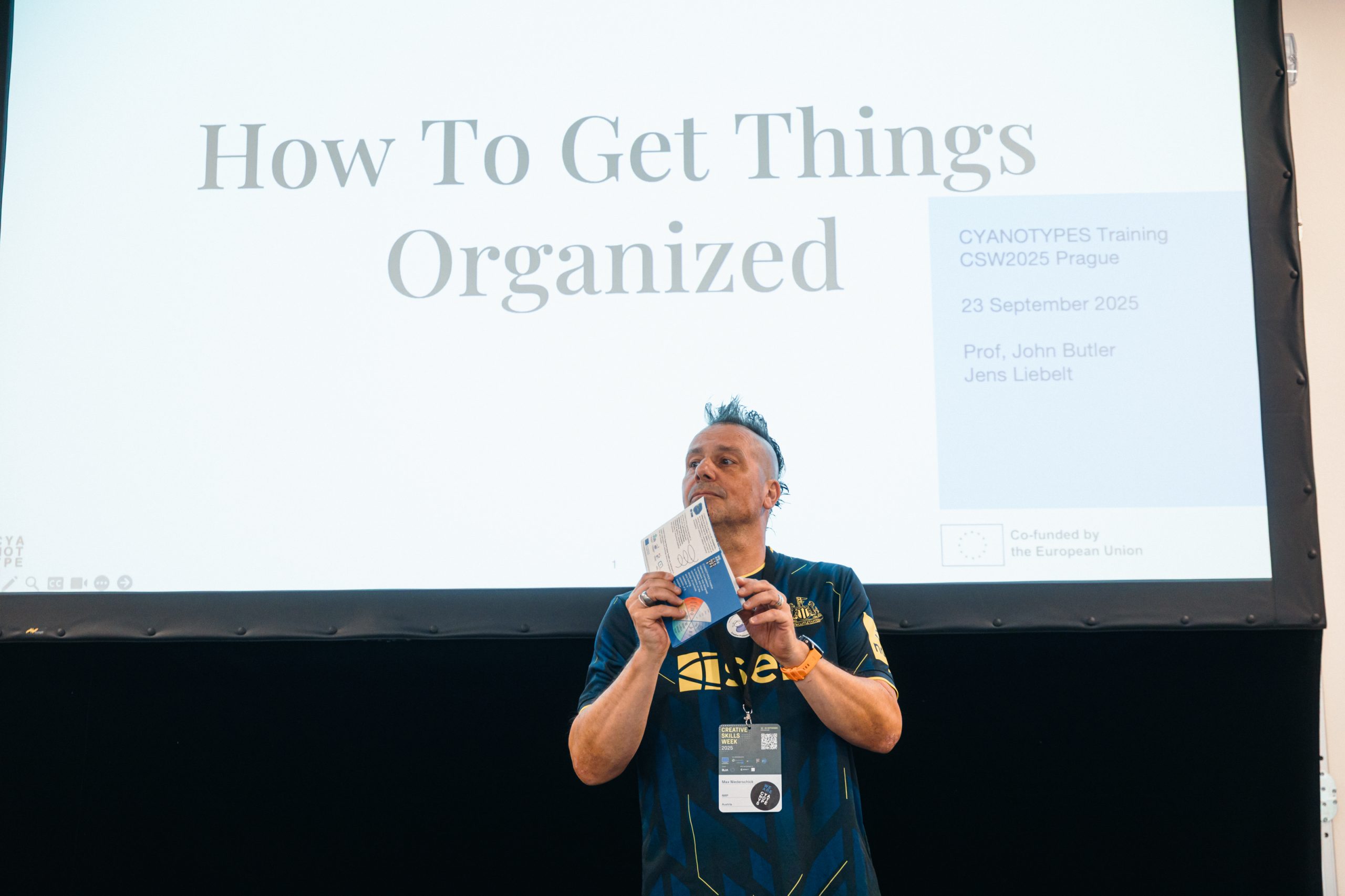
The primary participants are upper secondary school students in Austria, aged 15–19, and their teachers. Teachers are included as co-participants rather than facilitators, experiencing the format alongside students. The first pilot day was completed with 50 students and nine creative professionals, and the next phase aims to reach up to ten partner schools and approximately 750 students.
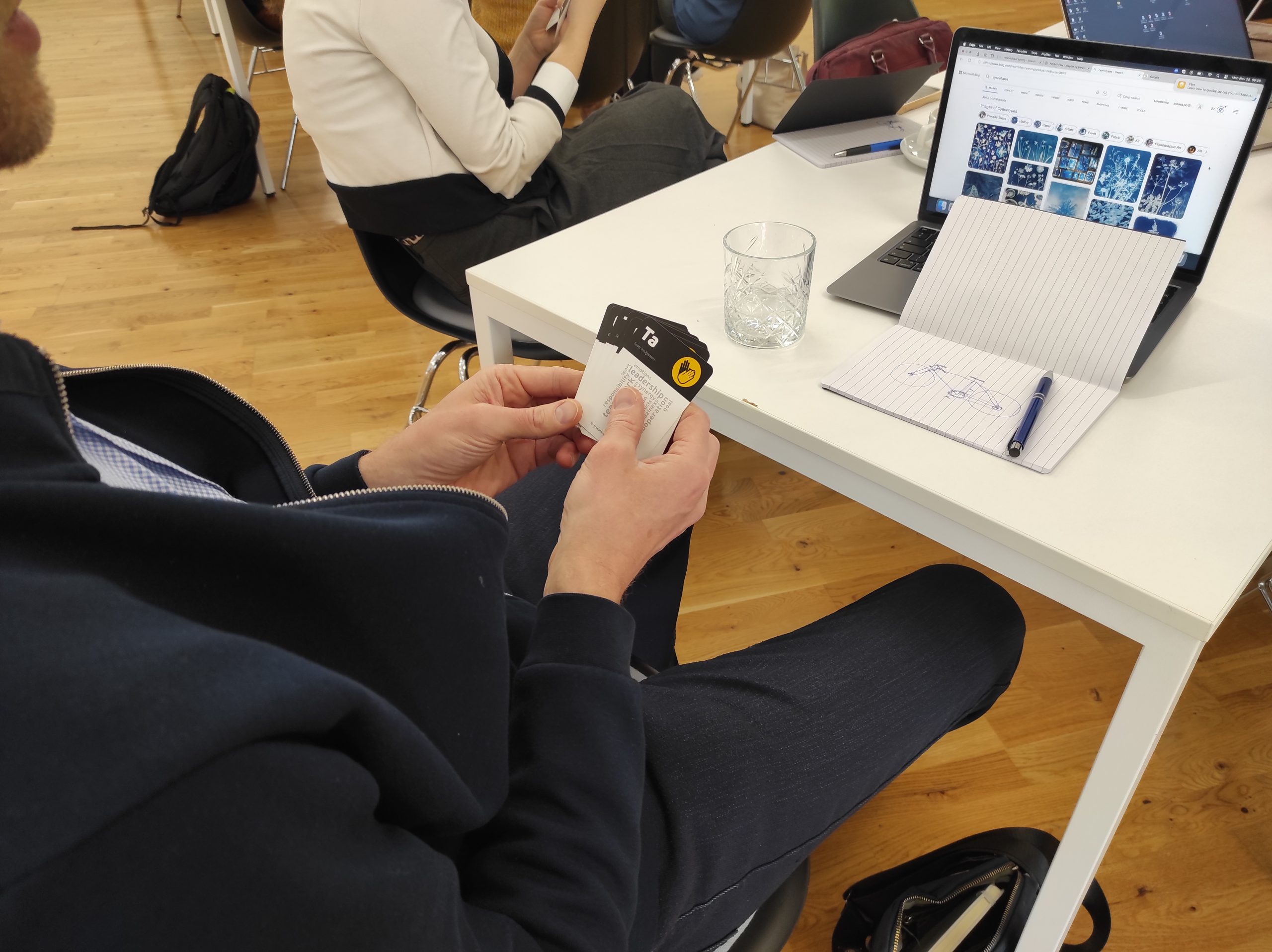
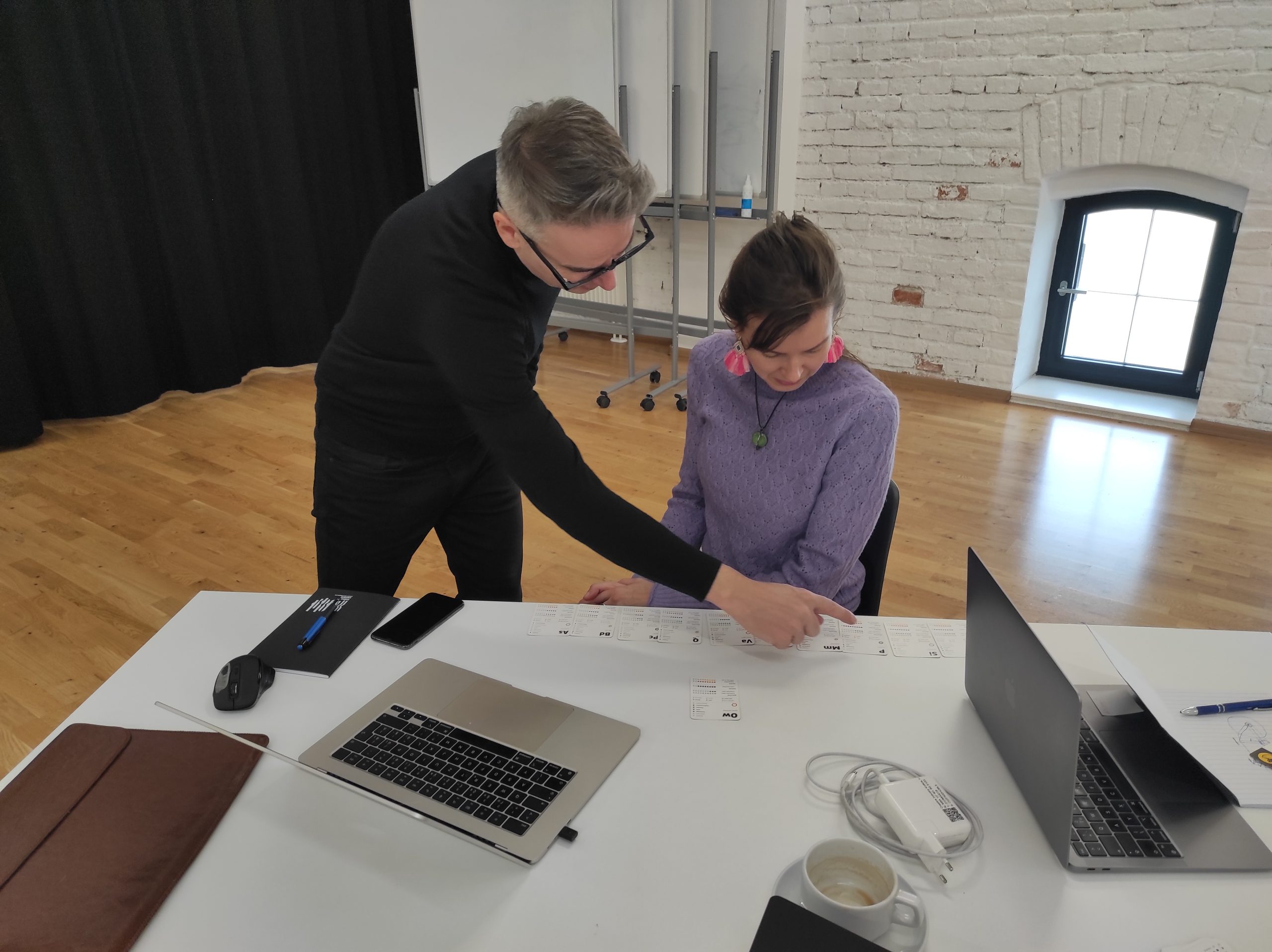
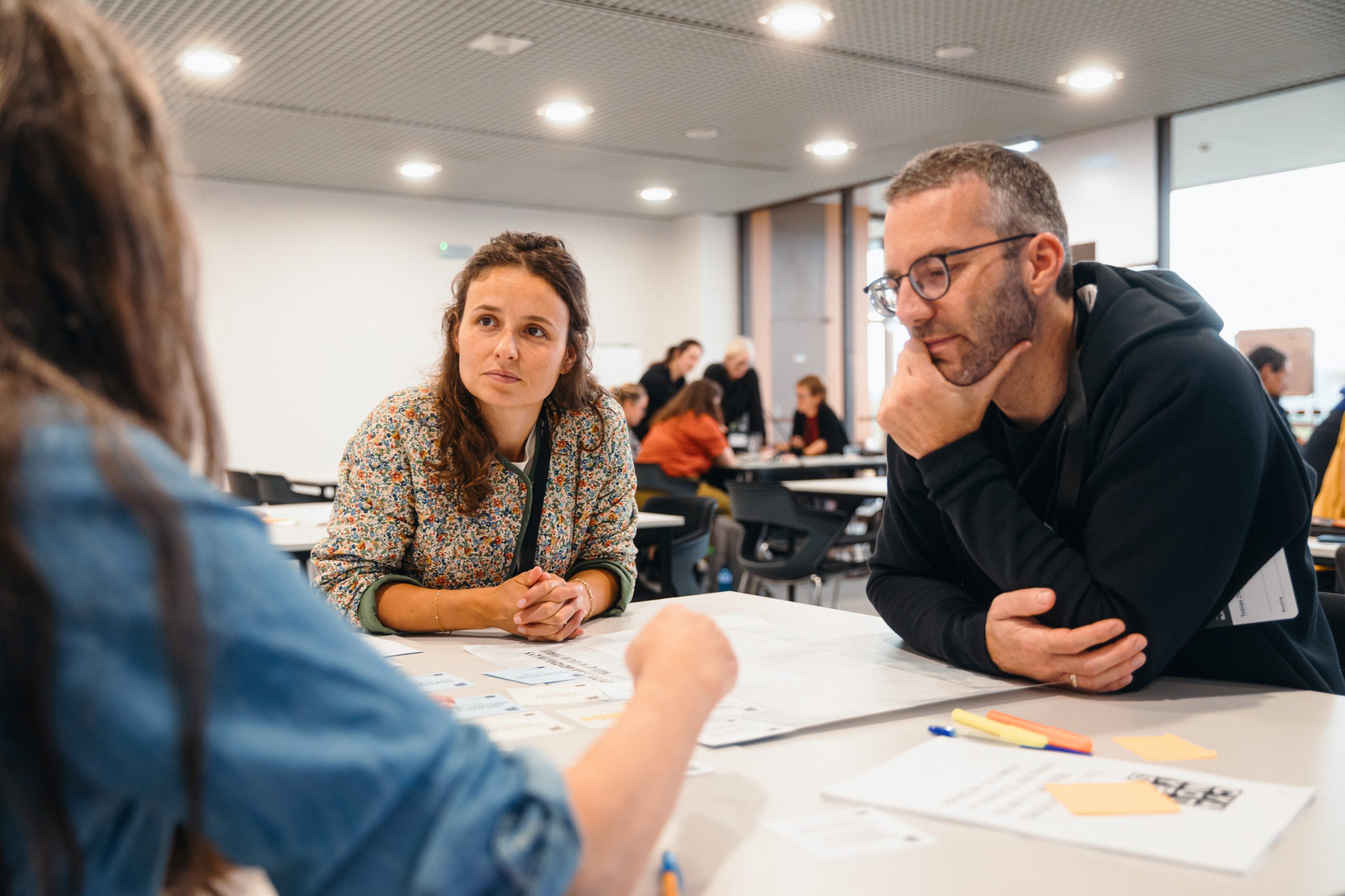
Activities are built around the Future Formula: Drivers – Resources – Visions. Students work in full-group, small-group and individual constellations to explore transformation as something they can actively shape. Artistic-creative methods include Feedback Theater, textile building and mixing Future Colors, making future scenarios embodied and experienceable rather than only discussed.
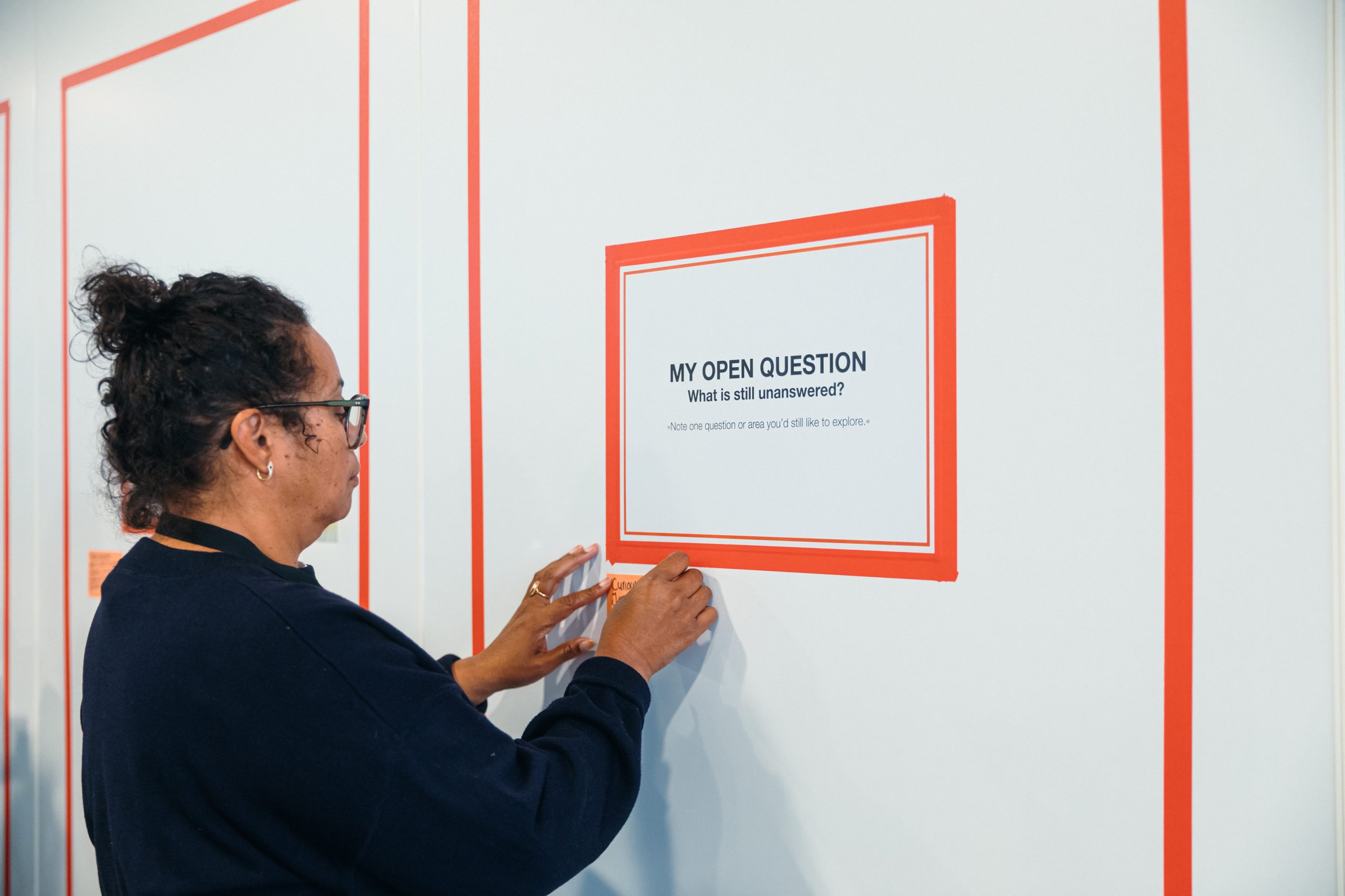
Dialogue and reflection are embedded throughout the process through structured check-ins, pair exchanges, wrap-ups and a follow-up session with students and teachers. The next phase is planned across two school terms, including planning meetings, Transformation Days at partner schools, CYANOTYPES Framework calibration, a refined second pilot, and final evaluation, documentation and dissemination.
Outcomes and early learning
Expected outcomes include young people leaving the Transformation Days with concrete creative tools, a broader perspective and the lived experience of collective action. The pilot aims for participants to see themselves as capable agents of change rather than passive observers of an overwhelming future. Teachers gain fresh methodological impulses and a new quality of collaboration with their students.
The impact is designed at three levels. Individually, the triple-loop learning approach targets shifts in self-perception and agency. At group level, the co-creative format builds relational trust and collective capability between students and teachers. Institutionally, follow-up reflection and school leadership involvement create conditions for the format to influence wider school culture.
The pilot is designed for expansion and iteration. Creatives for Education also aims to evolve into a platform connecting creatives who want to contribute their skills to the school system with relevant stakeholders and organisations.
Adding value
The pilot is valuable because it positions creative professionals as meaningful contributors to secondary education, not as occasional enrichment providers. Its strength lies in making future competences experiential: students do not only talk about transformation, they practise collaboration, imagination, values reflection and collective action in a structured but open learning environment.
Possible policy recommendations
This pilot suggests that education policy makers, cultural departments and school development actors should support creative professionals as partners in future competences education. Schools are increasingly expected to develop creativity, collaboration, sustainability awareness and agency, but often lack the methods, time or external perspectives to do so effectively.
Policy support could focus on funding transformation days in schools, creating brokerage platforms between creatives and education providers, and recognising creative-practice methods as legitimate tools for future literacy and civic learning. The pilot also points to the value of scalable, modular formats that schools can adopt without losing local adaptation, helping Austria’s Culture and Creative Industries contribute directly to the future competences young people need.
“Creativity is not just a skill; it is a form of agency. The world is changing quickly, and we need frameworks that anticipate change.”
— David Crombie, CYANOTYPES Project Coordinator
Take the challenge: Run a CYANOTYPES Pilot
The CYANOTYPES team invites networks and institutions to take the next step. Lead the transformation by testing and adapting the CYANOTYPES Framework in your own context through tailored Open Pilots.
Start by exploring the CYANOTYPES Toolkit, a practical resource offering frameworks, cards, and templates to guide your organisation through its own journey of unlearning and relearning.
If you are interested in piloting the CYANOTYPES Framework, register here. CYANOTYPES partners will get in touch with you.
Discover examples from partner pilots and scenarios that may help you design your own pilot:
Read updated practical information of the CYANOTYPES Framework: