Pilot Runner: Faculty of Art and Design at Jan Evangelista Purkyně University in Ústí nad Labem (Czechia)
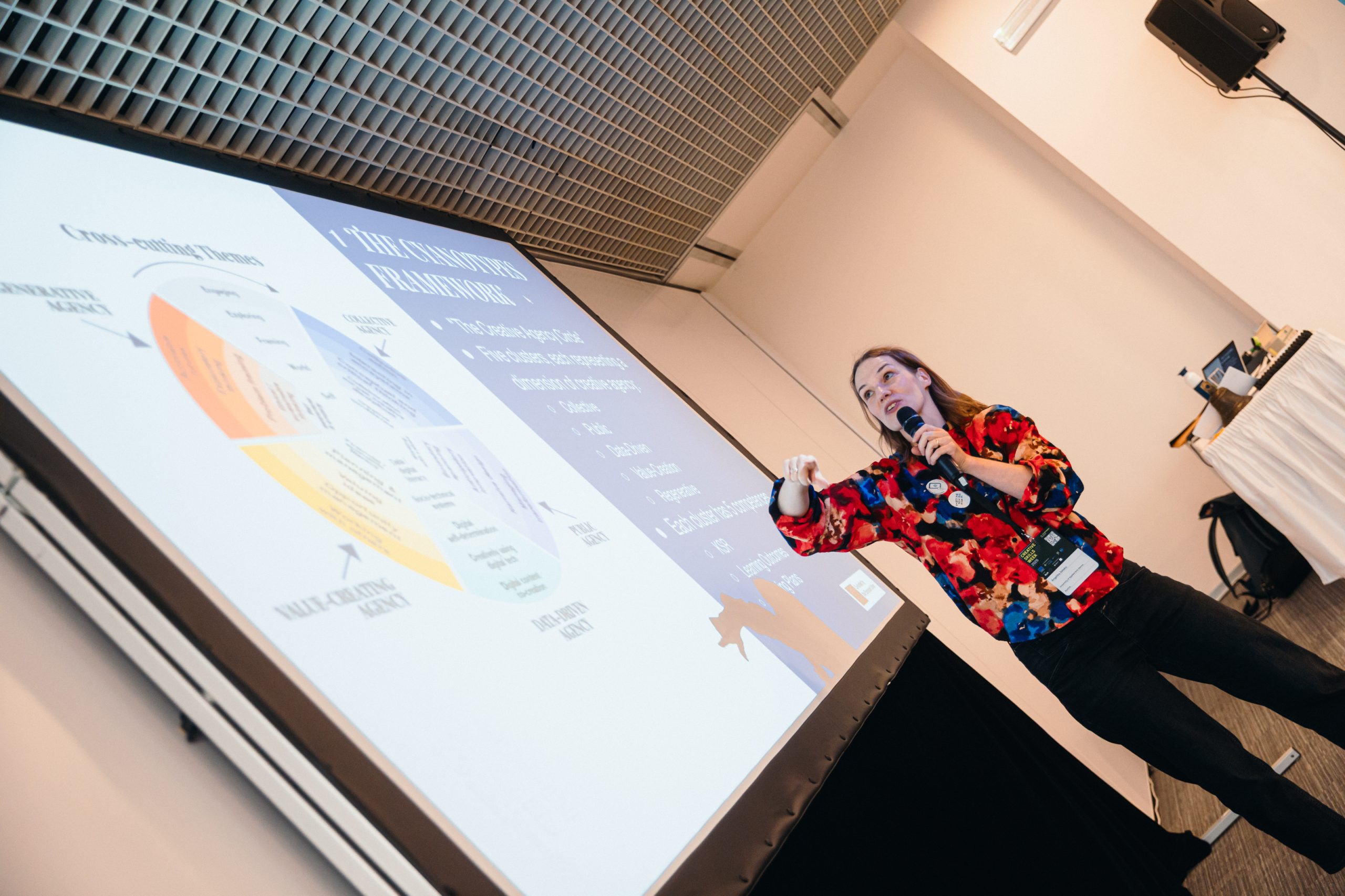
This Open Pilot, hosted by the Faculty of Art and Design at Jan Evangelista Purkyně University in Ústí nad Labem, Czechia, focuses on the BOD.FUD: Creative Practice Courses. The pilot uses the CYANOTYPES Framework to map and identify competences that need to be strengthened in the local creative ecosystem.
The pilot creates a positive and exploratory space for creative professionals, policymakers, trainers, and creative businesses to reflect on future skills needs. It is designed not only to improve an existing education programme, but also to open a wider regional conversation about which creative competences matter most for long-term cultural and creative development.
Aims of the pilot
The pilot aims to use the CYANOTYPES Framework to identify gaps in the current curriculum of the BOD.FUD: Creative Practice Courses and generate recommendations for its further development. It will also test and validate the framework as a conceptual foundation for current and future educational programmes.
A broad set of CYANOTYPES competences will be explored, including:
A1 – Creative Confidence
A2 – Collaboration Across Creative Disciplines
B1 – Working with Values
B3 – Anticipatory Innovation
B4 – Narrative Design
C2 – Understanding Socio-Technical Systems
D1 – Financial and Economic Literacy
D3 – Valuing Ideas
E1 – Self-Awareness and Empathy
E2 – Ethical and Sustainable Thinking
E3 – Problem Framing
E5 – Actionable Futures
This wide competence spread suggests that the pilot is not focused on a single training gap, but on understanding how creative practice, values, collaboration, future thinking, socio-technical awareness, and economic literacy connect in a regional learning ecosystem.
Activities undertaken
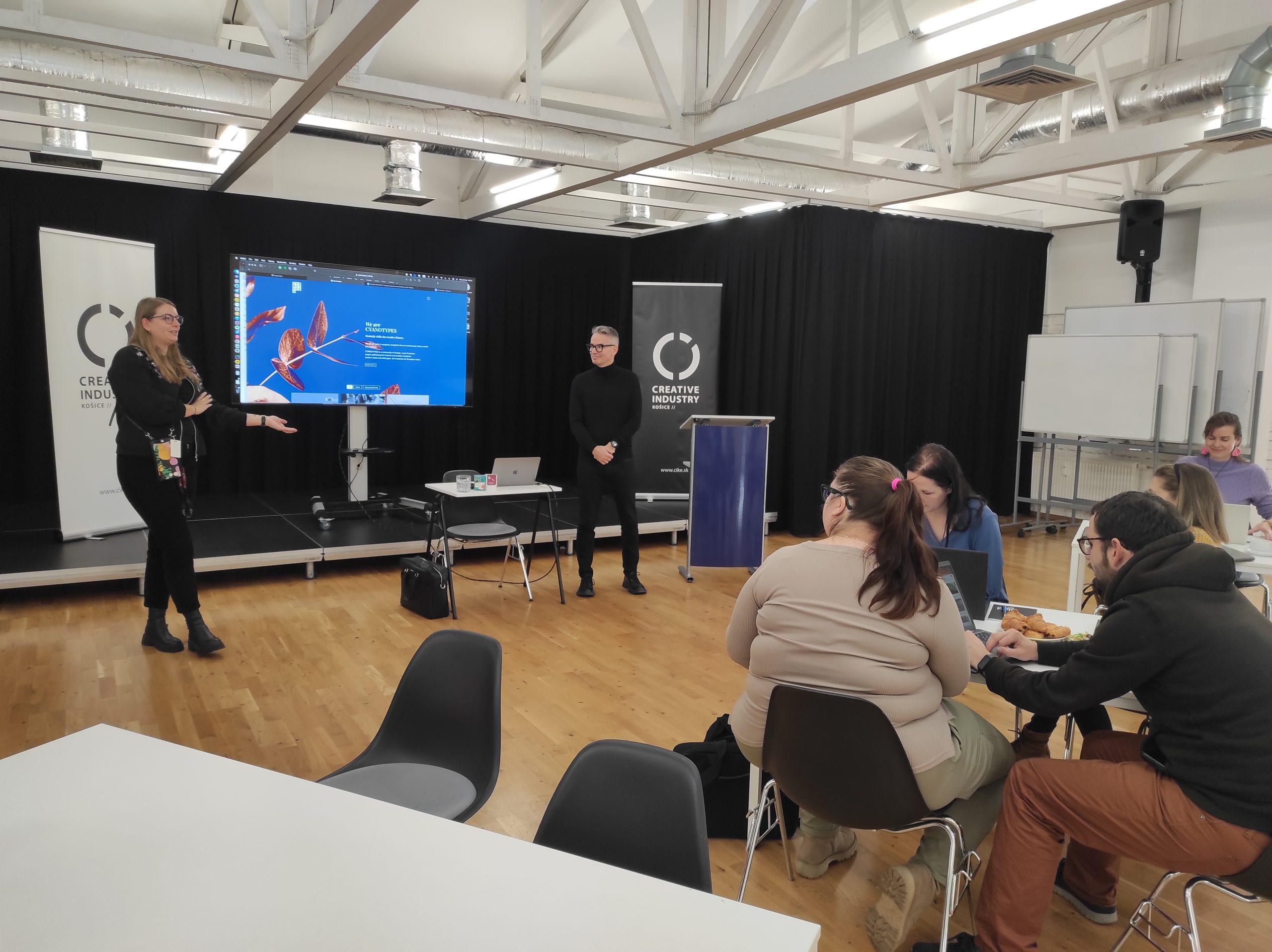
The pilot expects to involve around 20 participants, with creative professionals and policymakers as the primary participant groups. Trainers and creative businesses are identified as secondary stakeholders.
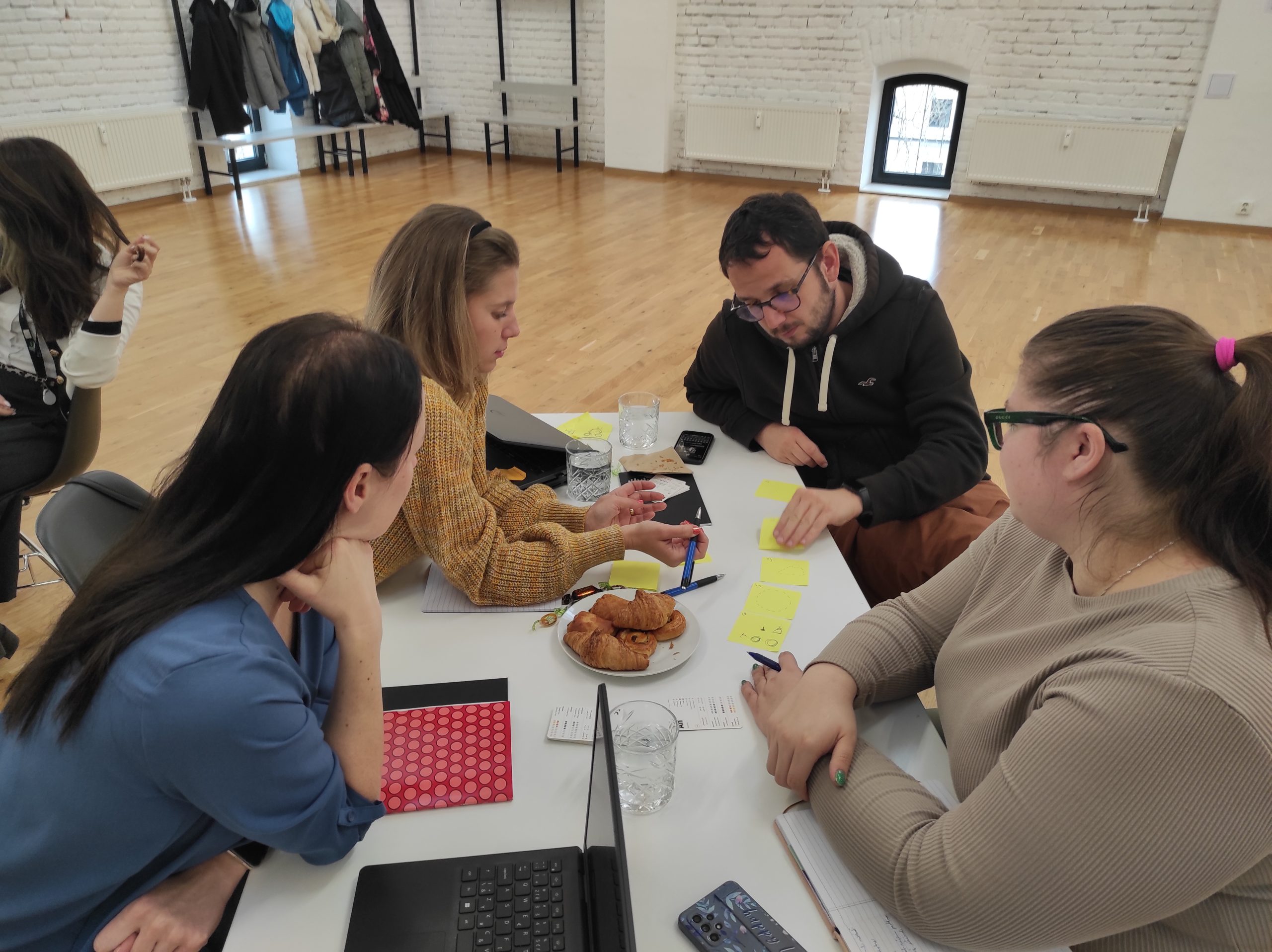
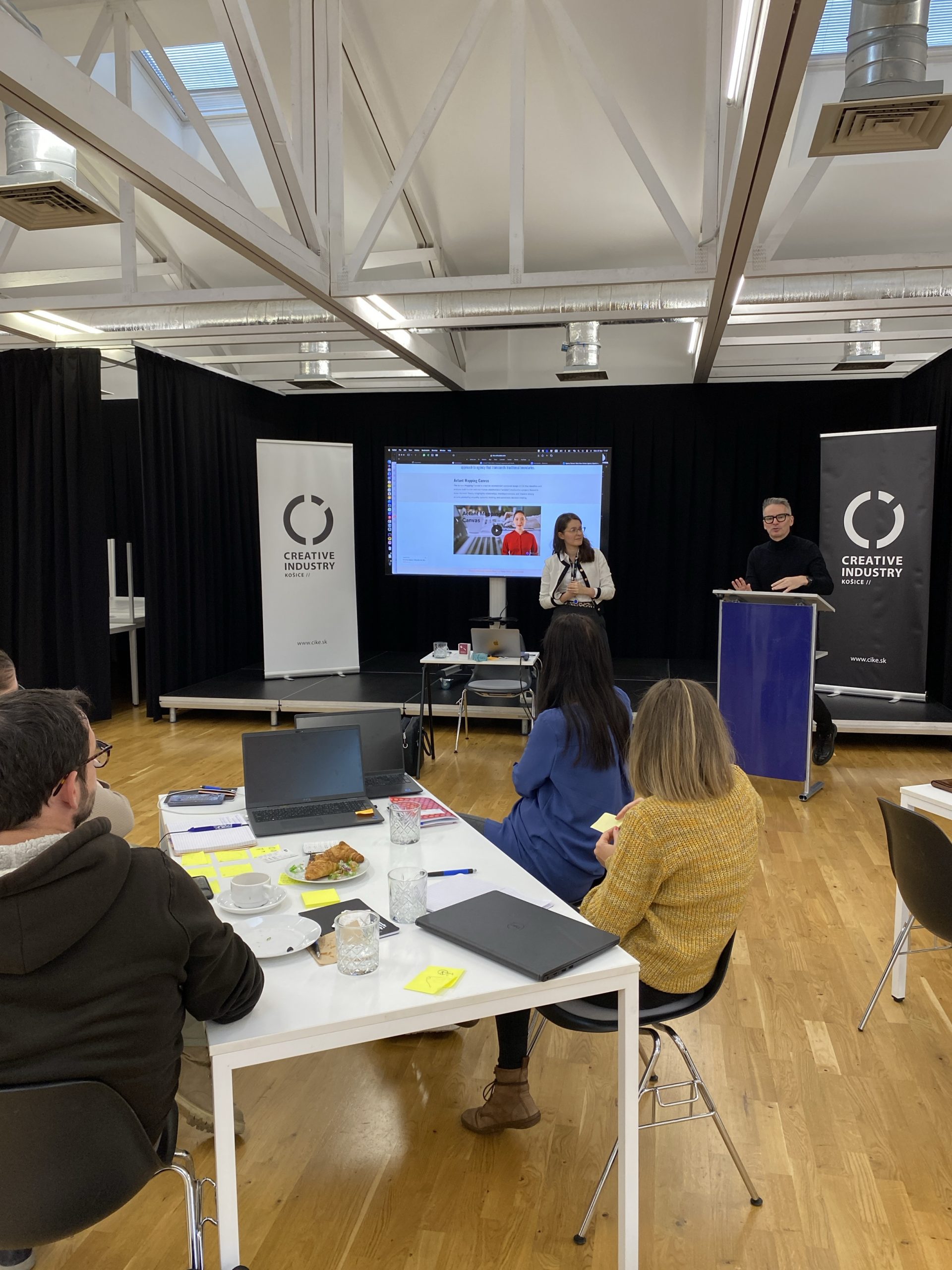
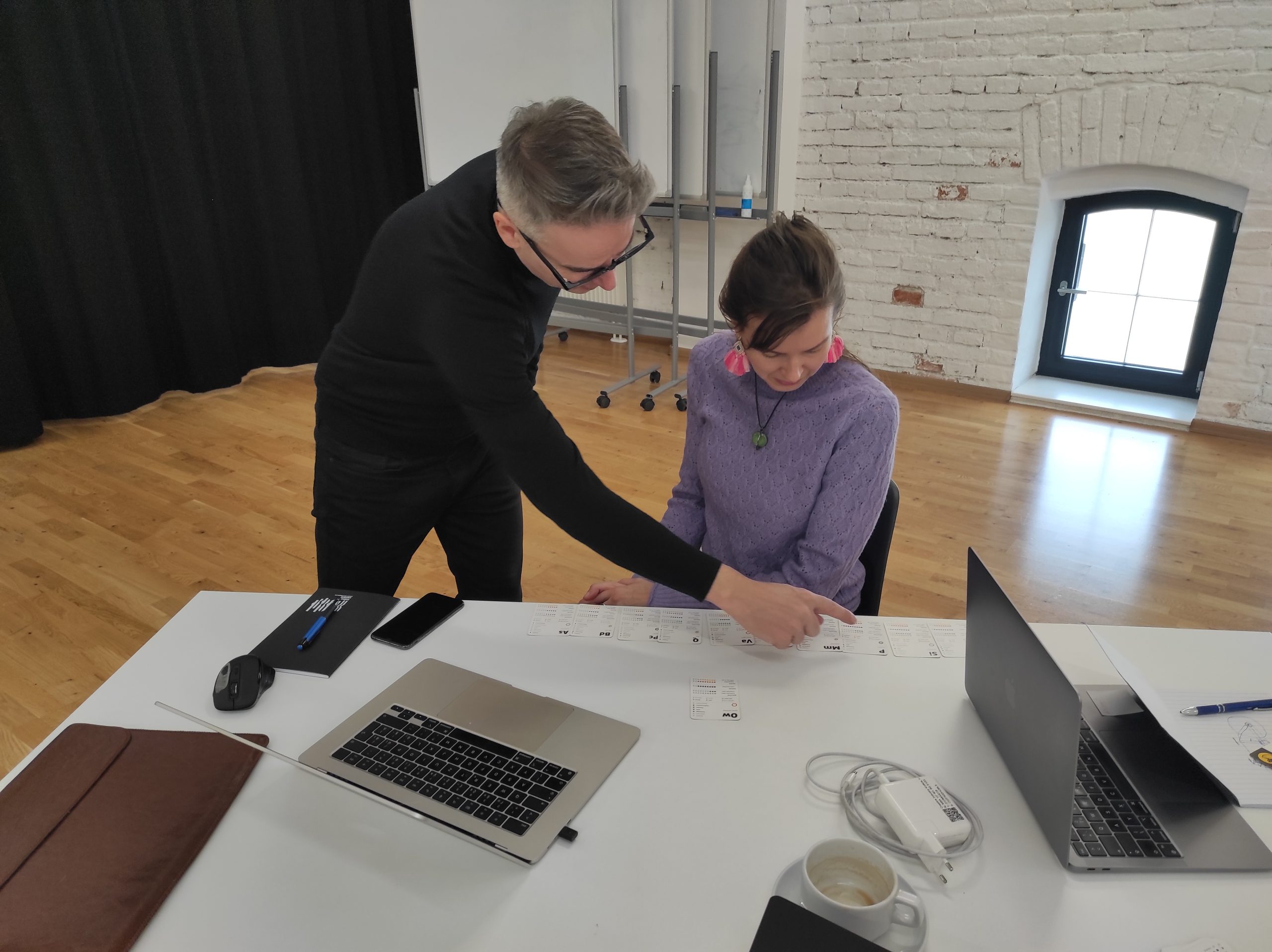
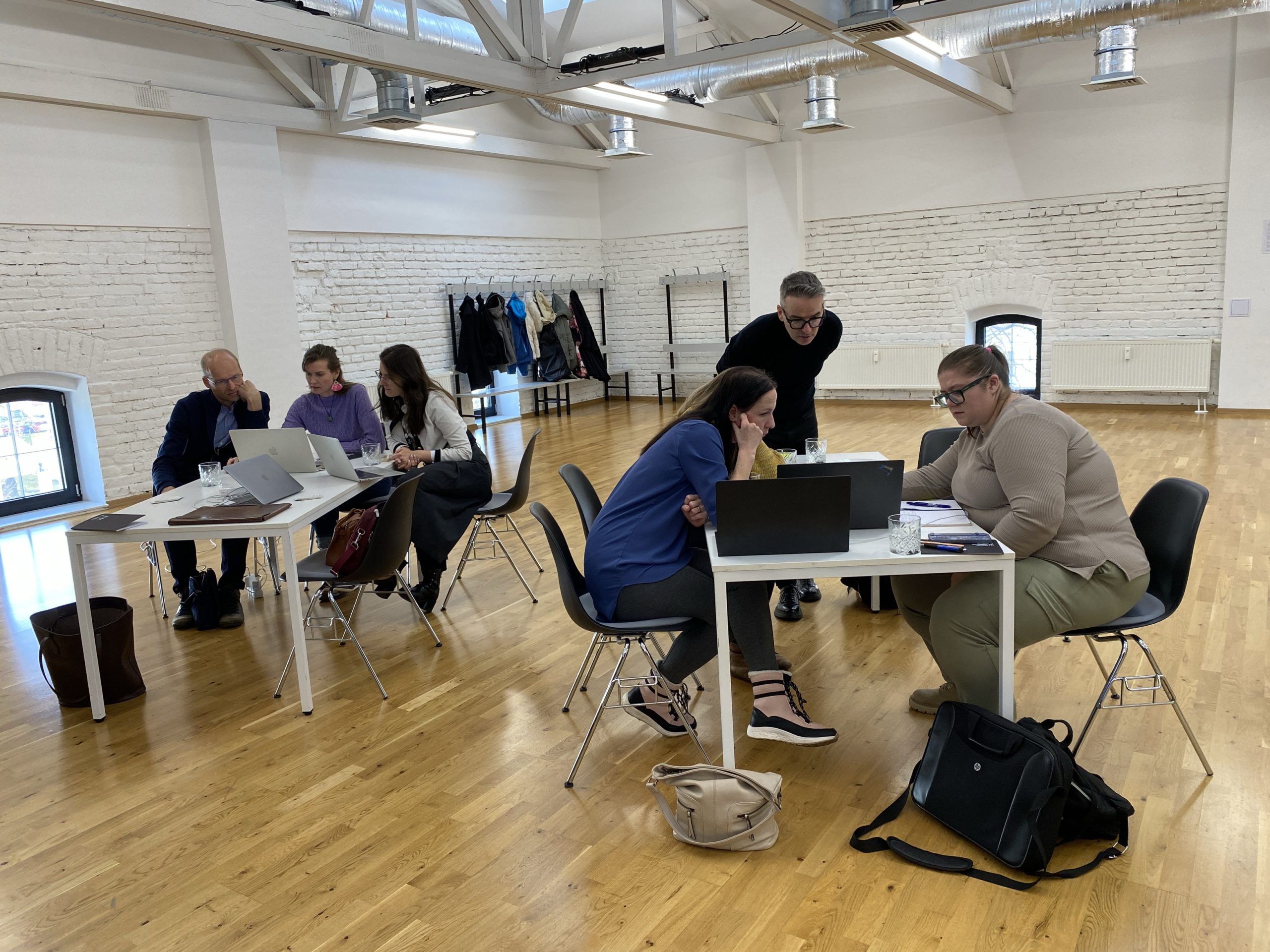
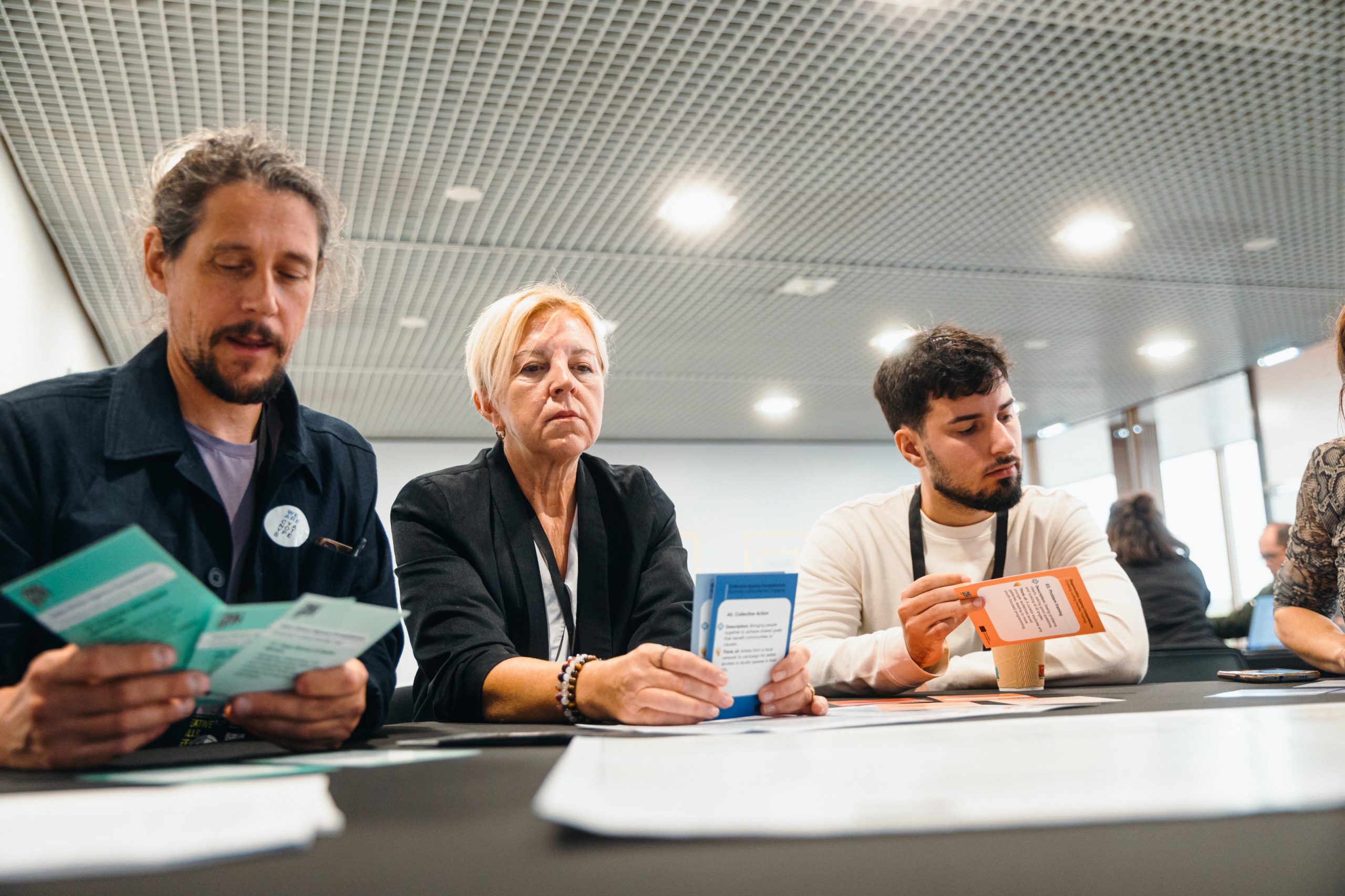
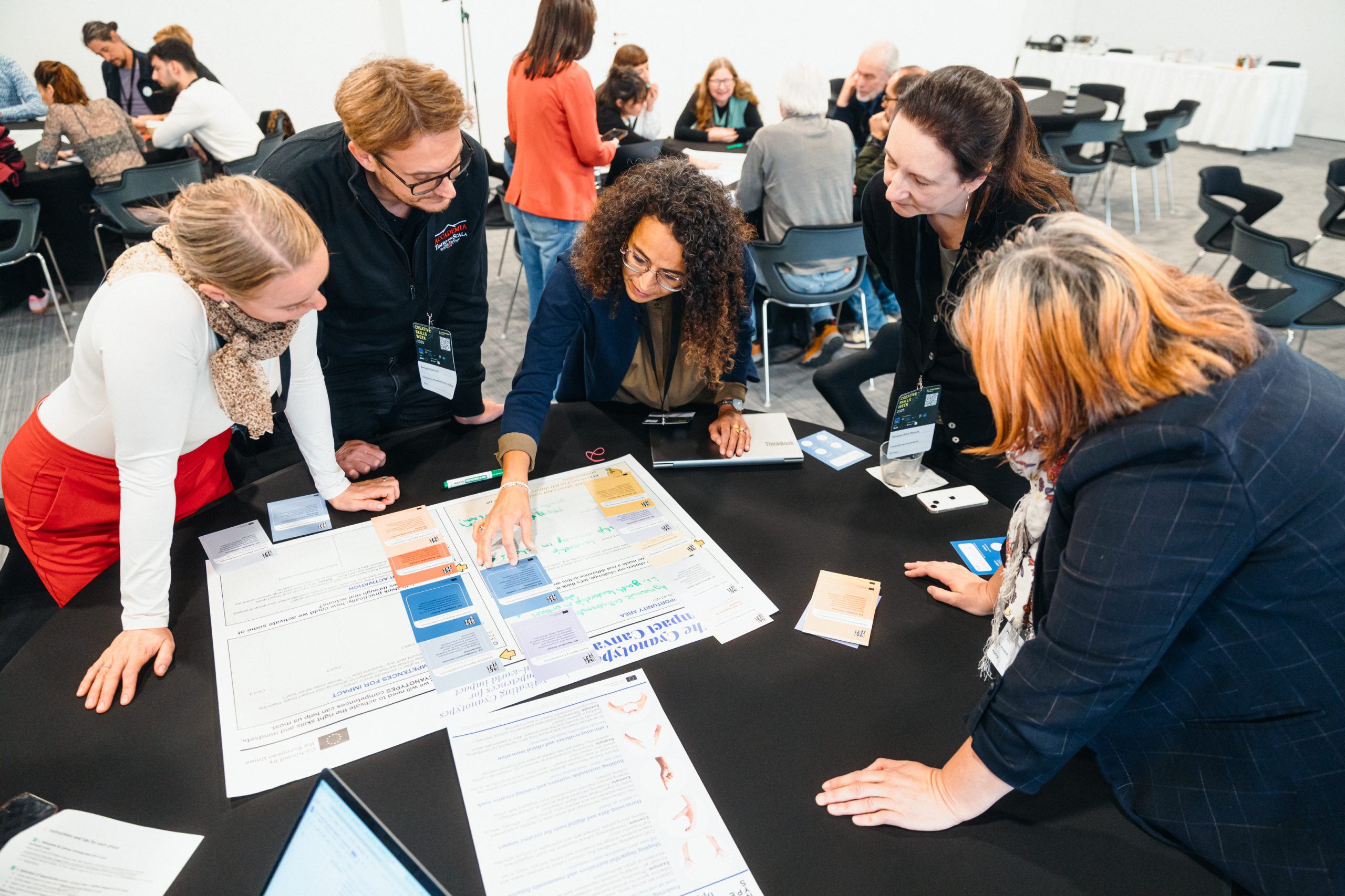
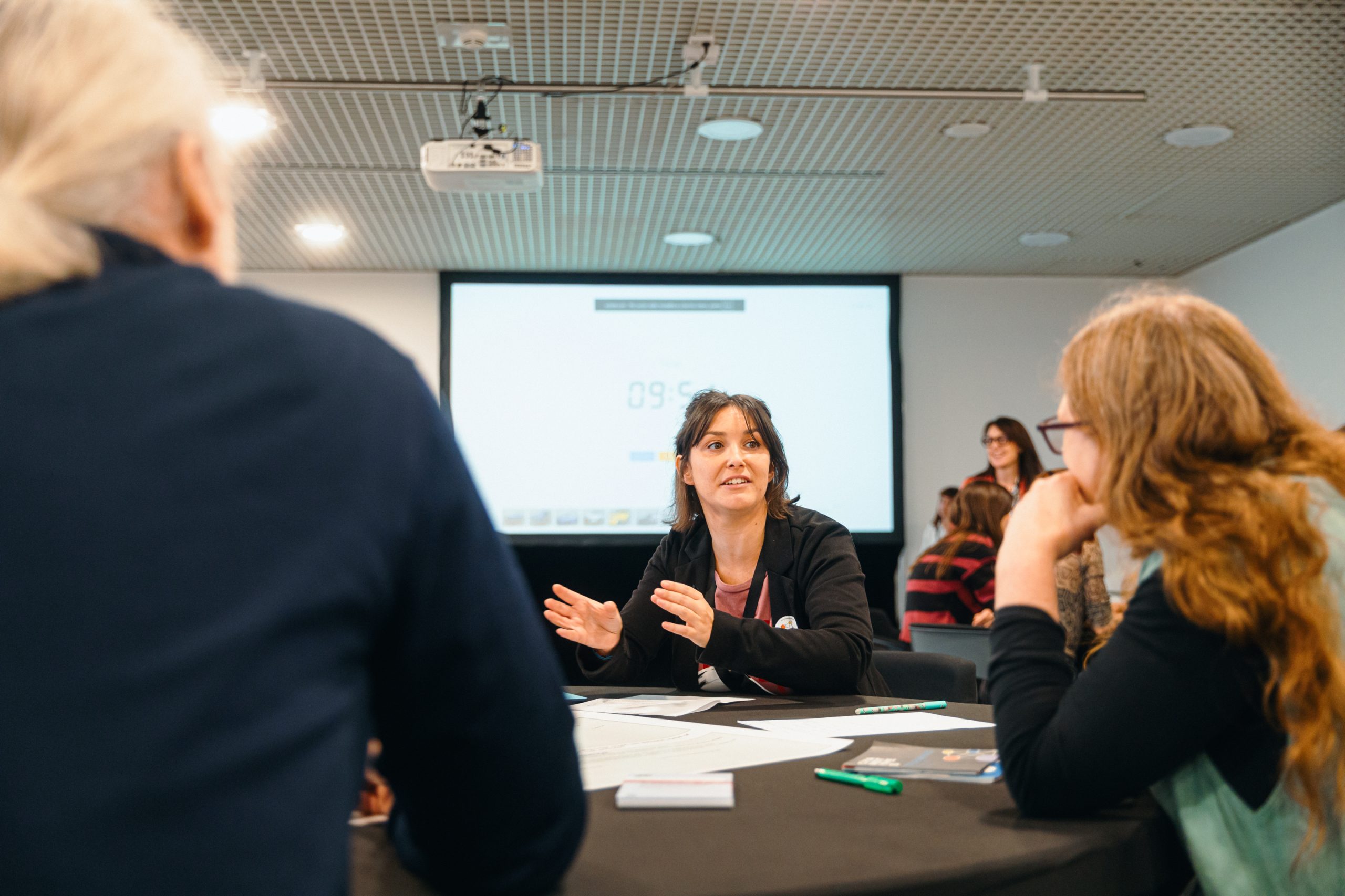
Activities will include hands-on workshops, presentations, discussions, and study tours. The education programme started on 28 February 2026, and is planned to end on 1 June 2026 and evaluated by 30 June 2026.
The learning approach reflects the identity of an art college: flexible, practice-oriented, and respectful of lecturers’ creative autonomy. Rather than imposing a fixed teaching model, the pilot works with the existing strength of the programme, where lecturers’ personal approaches are seen as a major asset.
Outcomes and early learning
The main expected outcome is a clearer understanding of competence gaps in the current BOD.FUD curriculum and in the surrounding local ecosystem. The pilot will monitor participants’ progress in developing targeted competences and use the evaluation results to revise and adapt the curriculum for future semesters.
The programme is designed as an iterative process and will be continuously refined each term until the end of 2027. During this period, the team intends to keep using the CYANOTYPES Framework to identify and respond to evolving competence needs in the local ecosystem.
For the organisation and region, the pilot aims to initiate a discussion on competence gaps, identify which competences need further development, and support their long-term strengthening.
Adding value
The pilot is valuable because it does not treat curriculum development as a one-off update. Instead, it uses CYANOTYPES as a reflective and iterative lens for understanding regional competence needs over time. Its strength lies in connecting art-school autonomy with a shared competence language, helping lecturers, creative professionals, policymakers, and creative businesses discuss future skills without flattening the diversity of creative teaching practices.
Possible policy recommendations
This pilot suggests that policy makers, regional authorities, and education funders should support locally grounded competence mapping as a basis for creative skills development. In regions where creative ecosystems are shaped by specific cultural, educational, and economic conditions, policy should not rely only on generic skills agendas. It should also fund structured dialogue between art schools, creative professionals, policymakers, trainers, and creative businesses.
Policy support could focus on iterative curriculum innovation, regional skills observatories, study visits, and pilot-based learning formats that help creative education providers respond to changing competence needs. The BOD.FUD pilot also points to the importance of protecting creative teaching autonomy while providing a shared framework for reflection, evaluation, and long-term development. This balance can help strengthen local creative ecosystems without imposing a rigid or one-size-fits-all model.
Website: https://fud.ujep.cz/en/
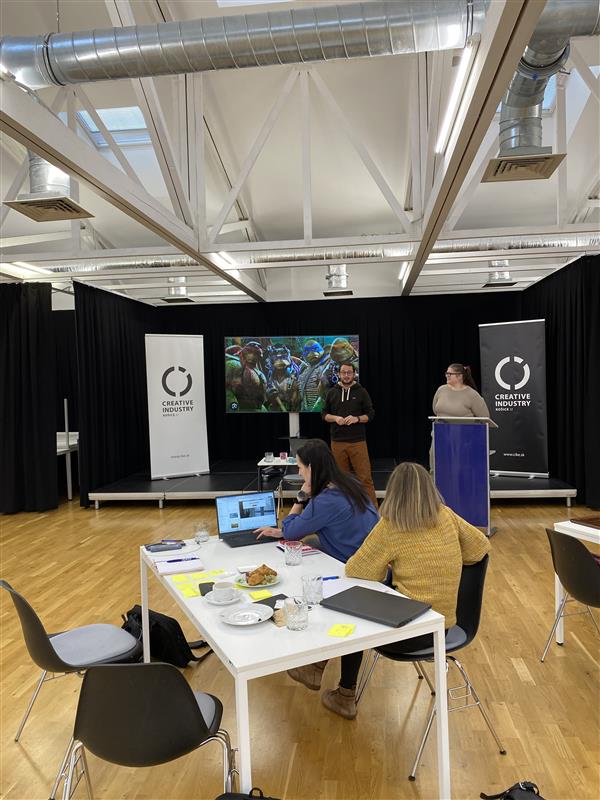
“Creativity is not just a skill; it is a form of agency. The world is changing quickly, and we need frameworks that anticipate change.”
— David Crombie, CYANOTYPES Project Coordinator
Take the challenge: Run a CYANOTYPES Pilot
The CYANOTYPES team invites networks and institutions to take the next step. Lead the transformation by testing and adapting the CYANOTYPES Framework in your own context through tailored Open Pilots.
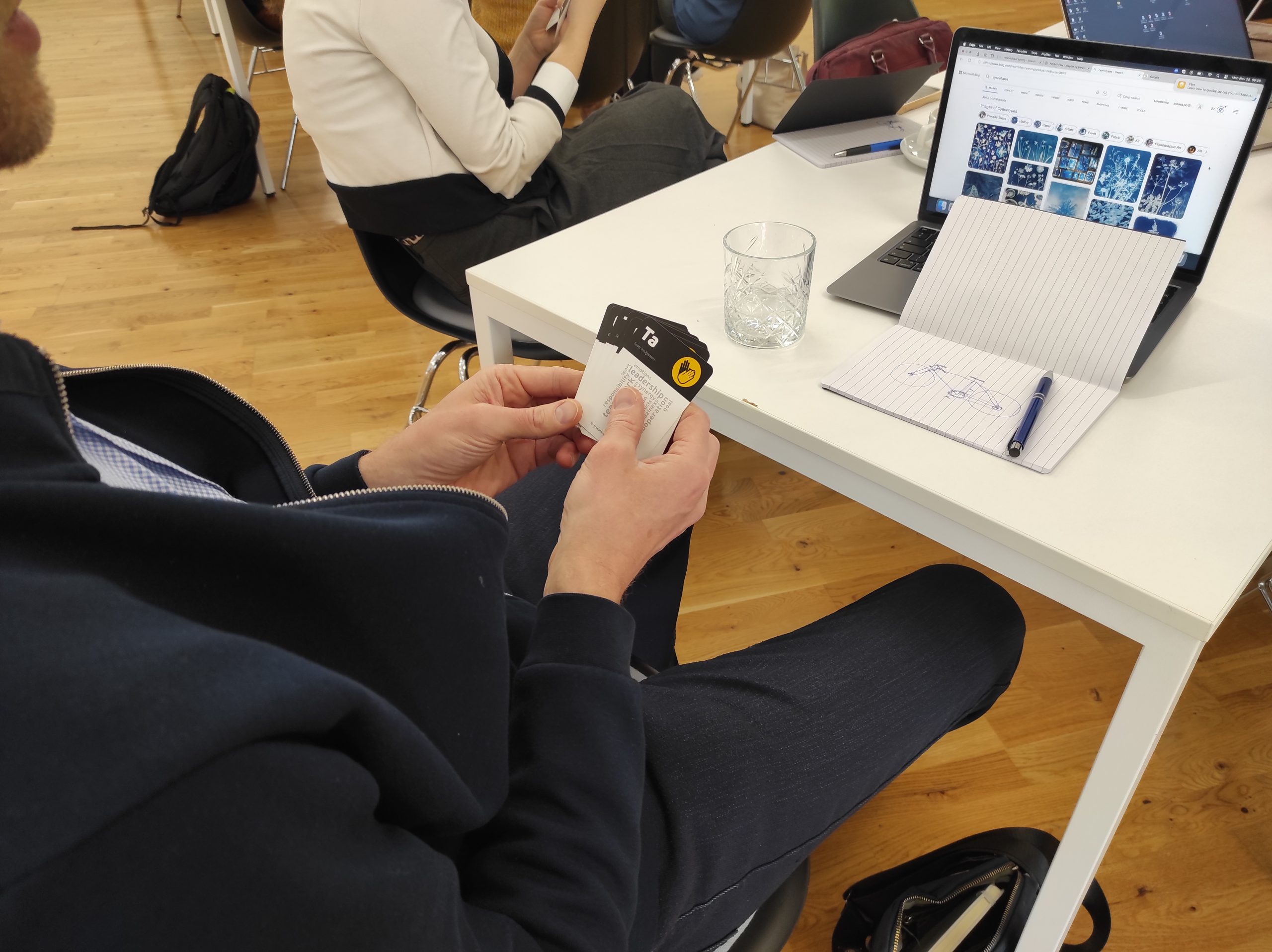
Start by exploring the CYANOTYPES Toolkit, a practical resource offering frameworks, cards, and templates to guide your organisation through its own journey of unlearning and relearning.
If you are interested in piloting the CYANOTYPES Framework, register here. CYANOTYPES partners will get in touch with you.
Discover examples from partner pilots and scenarios that may help you design your own pilot:
Read updated practical information of the CYANOTYPES Framework: