
Pilot Runner: Cultuurloket (Belgium)
This Open Pilot, hosted by Cultuurloket in Brussels, Belgium, explores how the CYANOTYPES Framework can strengthen professional training for the Cultural and Creative Sectors in Flanders and Brussels. The pilot focuses on training consultants, both freelance and staff, who are experts in CCS-related fields but are not necessarily educated trainers.
The pilot creates a practical learning space where sector experts can experiment with CYANOTYPES to define clearer learning outcomes, improve training methods, and support Cultuurloket’s strategic objective of strengthening self-reliance among CCS workers and organisations.
Aims of the pilot
The pilot aims to test how the CYANOTYPES Framework can contribute to the learning outcomes of Cultuurloket’s trainings. It is especially focused on improving expectation management for clients, making learning sessions more structured, and helping training consultants feel more confident in their teaching role.
Cultuurloket also wants to use the Framework to inspire consultants with learning methods and to design a type of skills credential for its training offer. This credential would help CCS workers better understand and describe their entrepreneurial skills, both for themselves and for potential employers.
The key CYANOTYPES competences identified for the pilot are:
D1 – Financial and Economic Literacy
D2 – Planning and Management
D3 – Valuing Ideas
D4 – Opportunity Management
D5 – Working with Others
This focus places the pilot strongly within the entrepreneurial and value-creating dimension of creative practice, while still linking to Cultuurloket’s broader mission of strengthening confidence, self-reliance, and professional sustainability in the CCS.
Activities undertaken
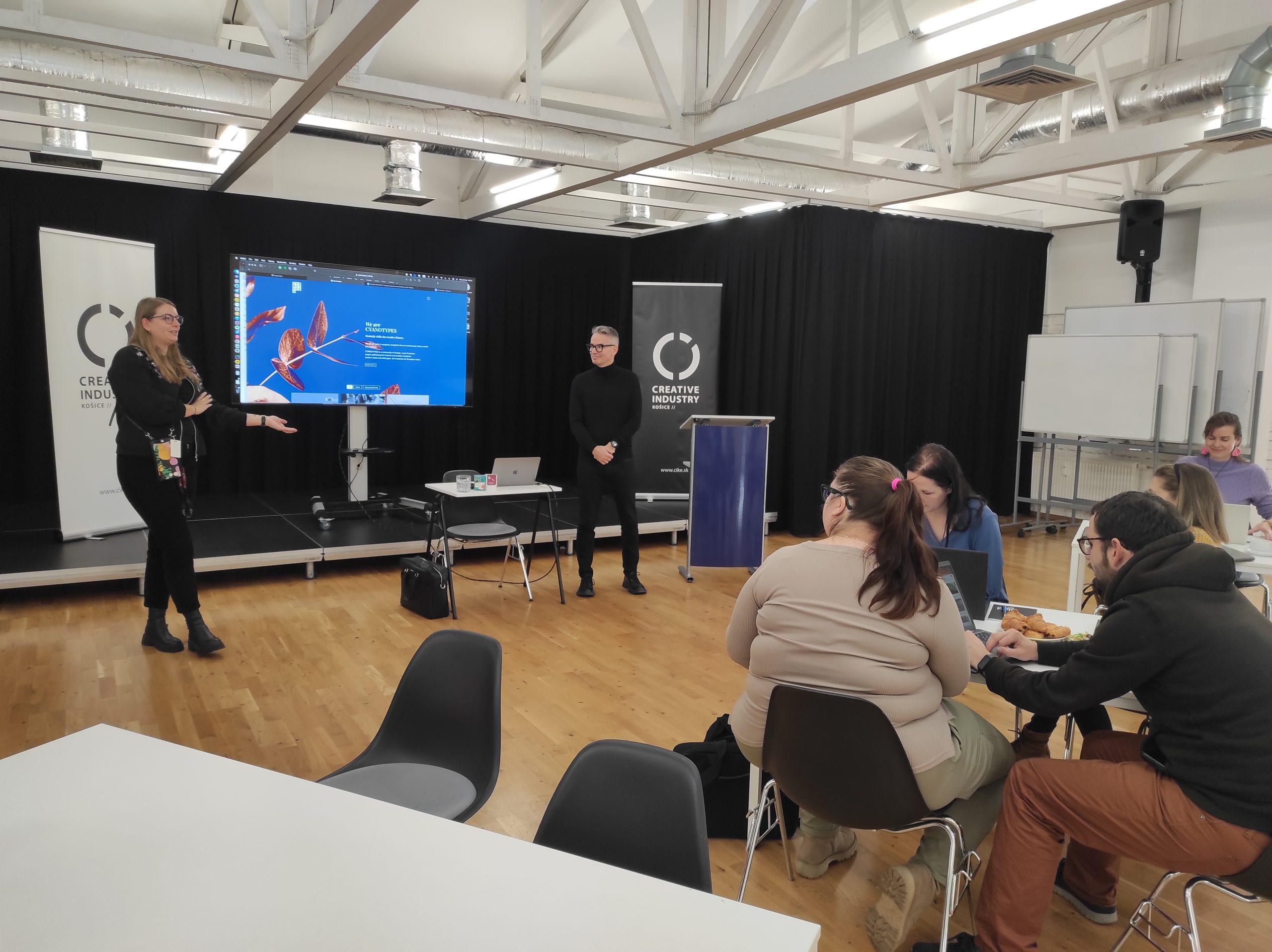
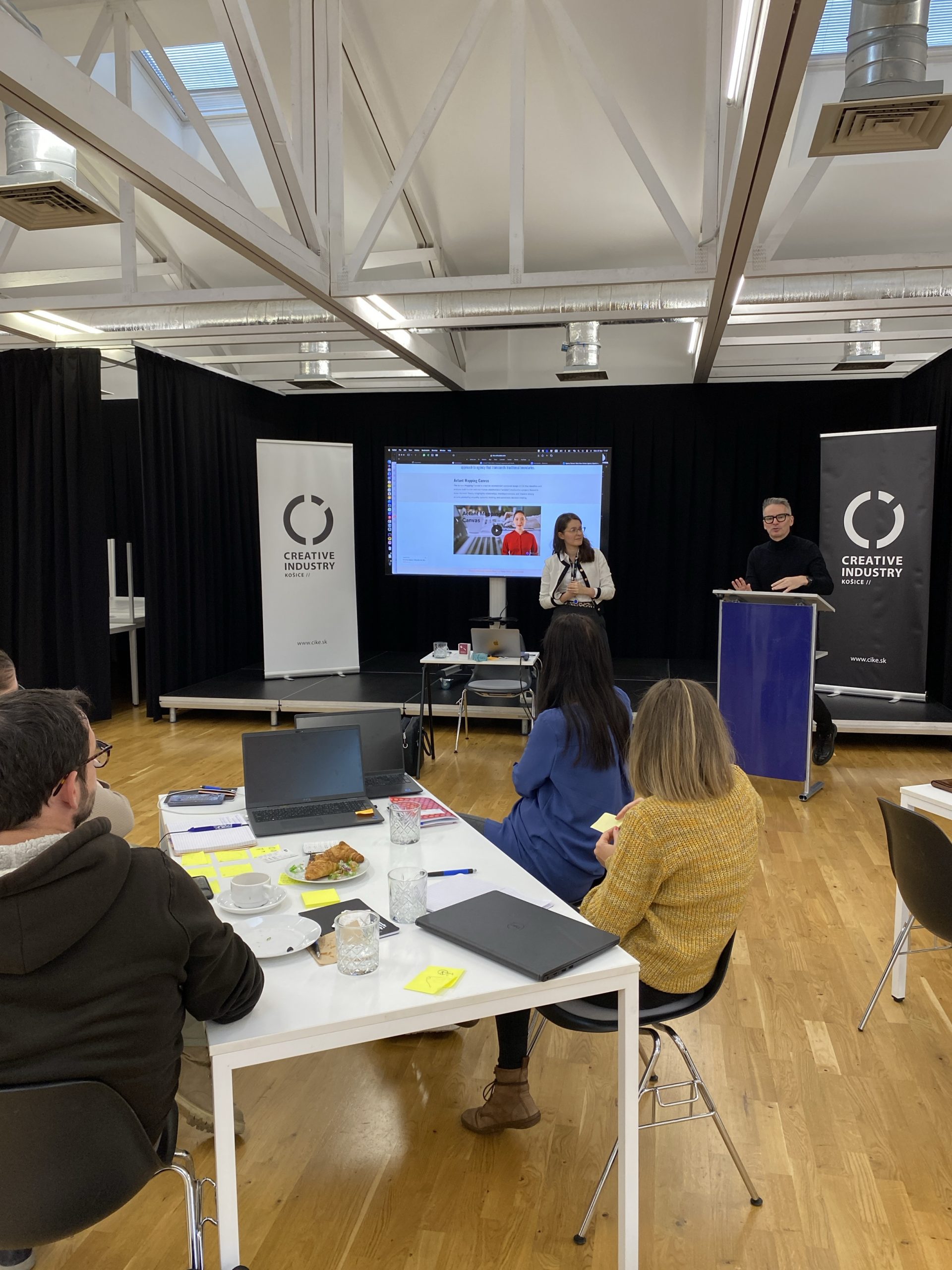
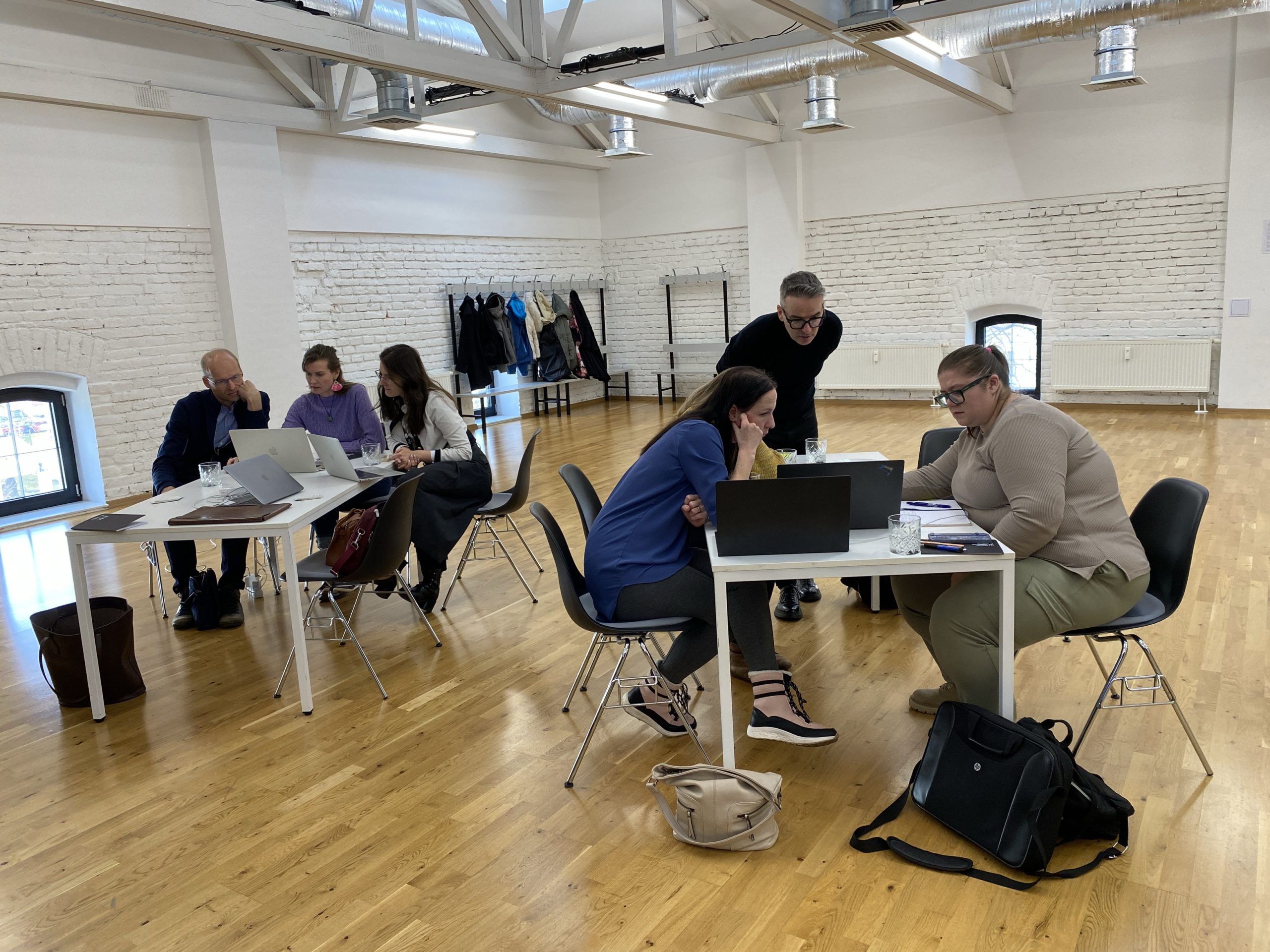
The pilot will involve training sessions in Q3 and Q4 of 2026, with an expected total of 70 participants. The primary participant groups are training consultants and CCS workers and organisations. Secondary stakeholders include CCS businesses in Flanders, who will help validate the quality of the training through Cultuurloket’s evaluation model, and the Flemish government, which will be informed of the pilot’s impact through the annual report.
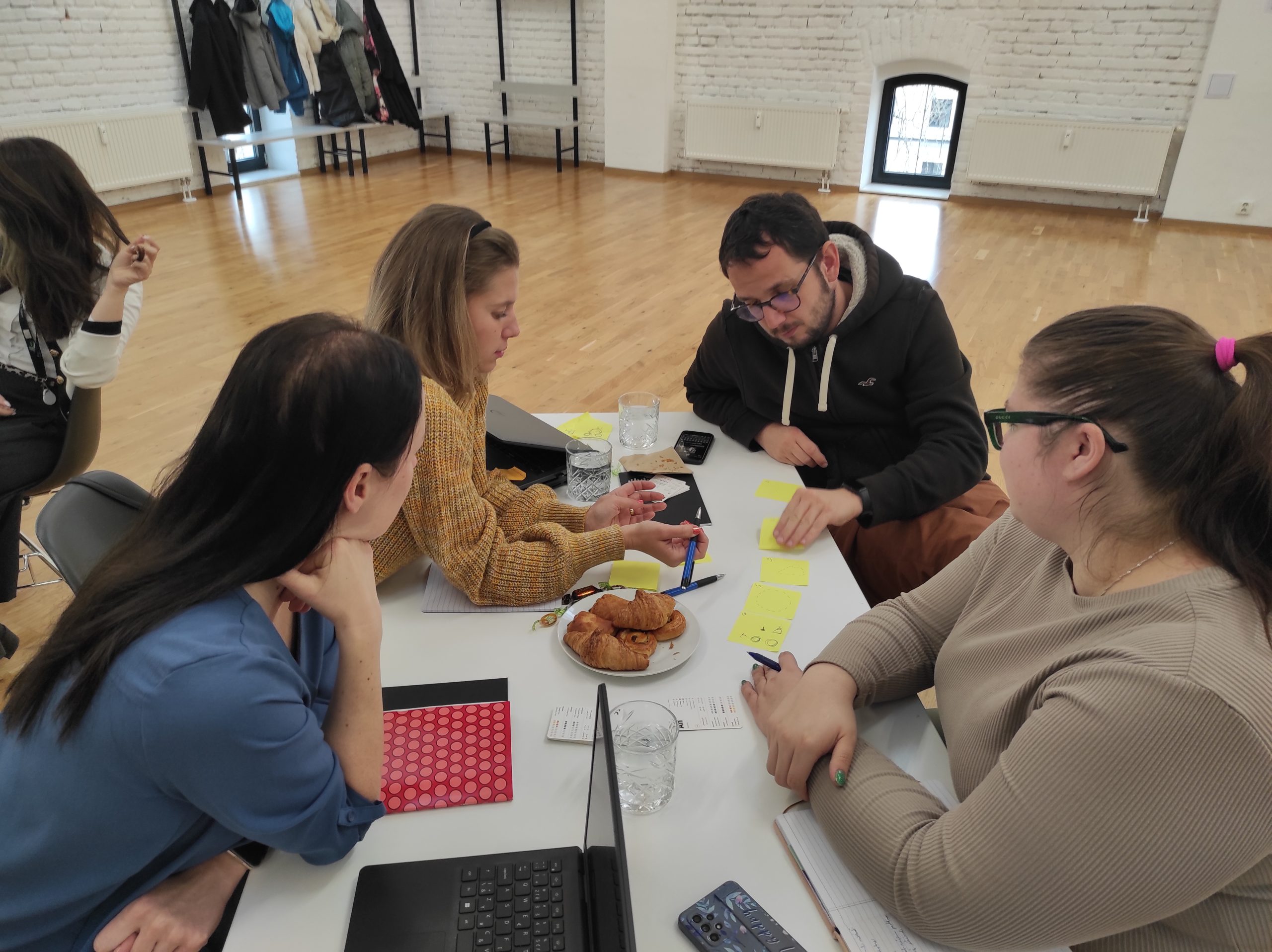
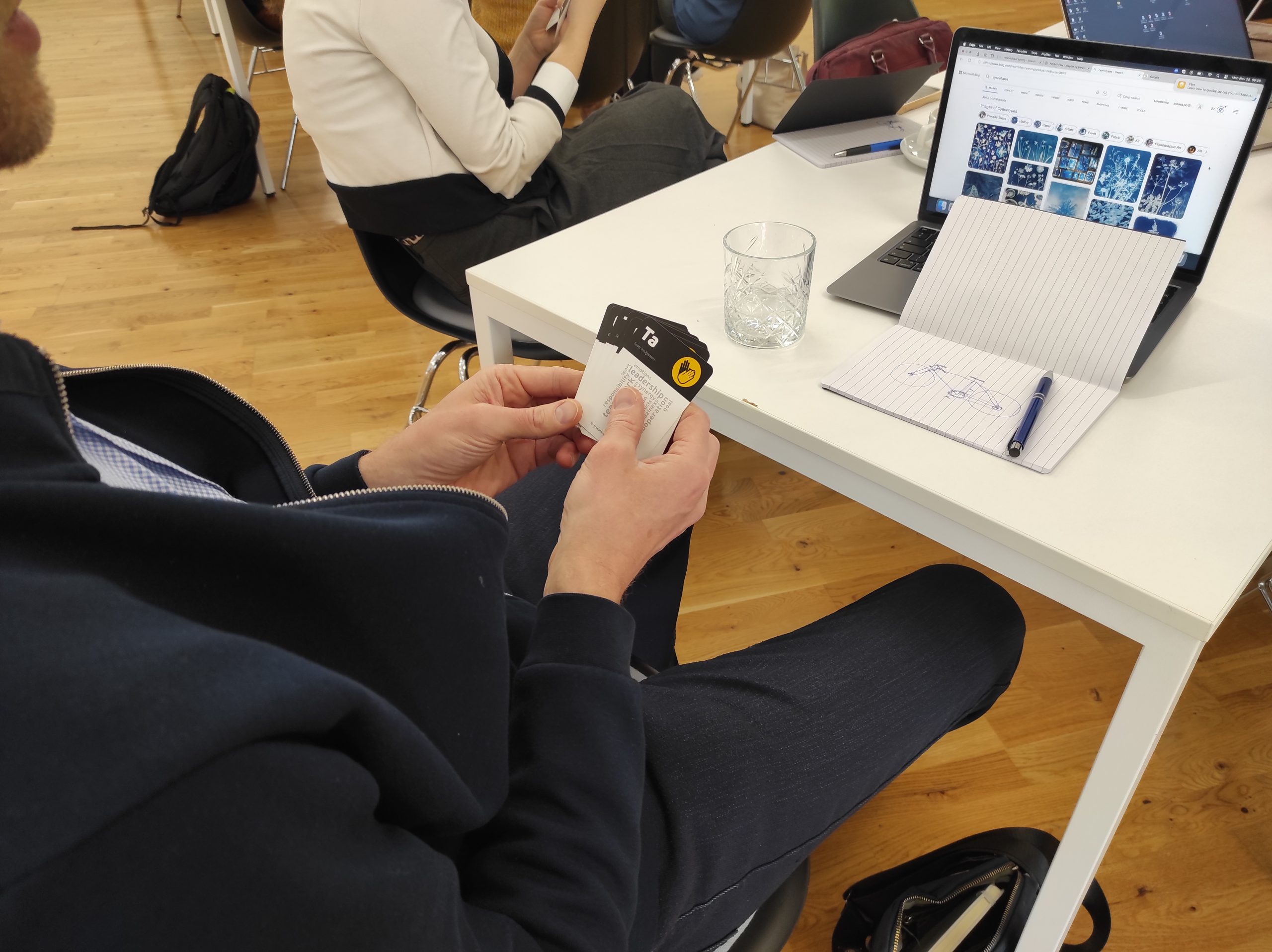
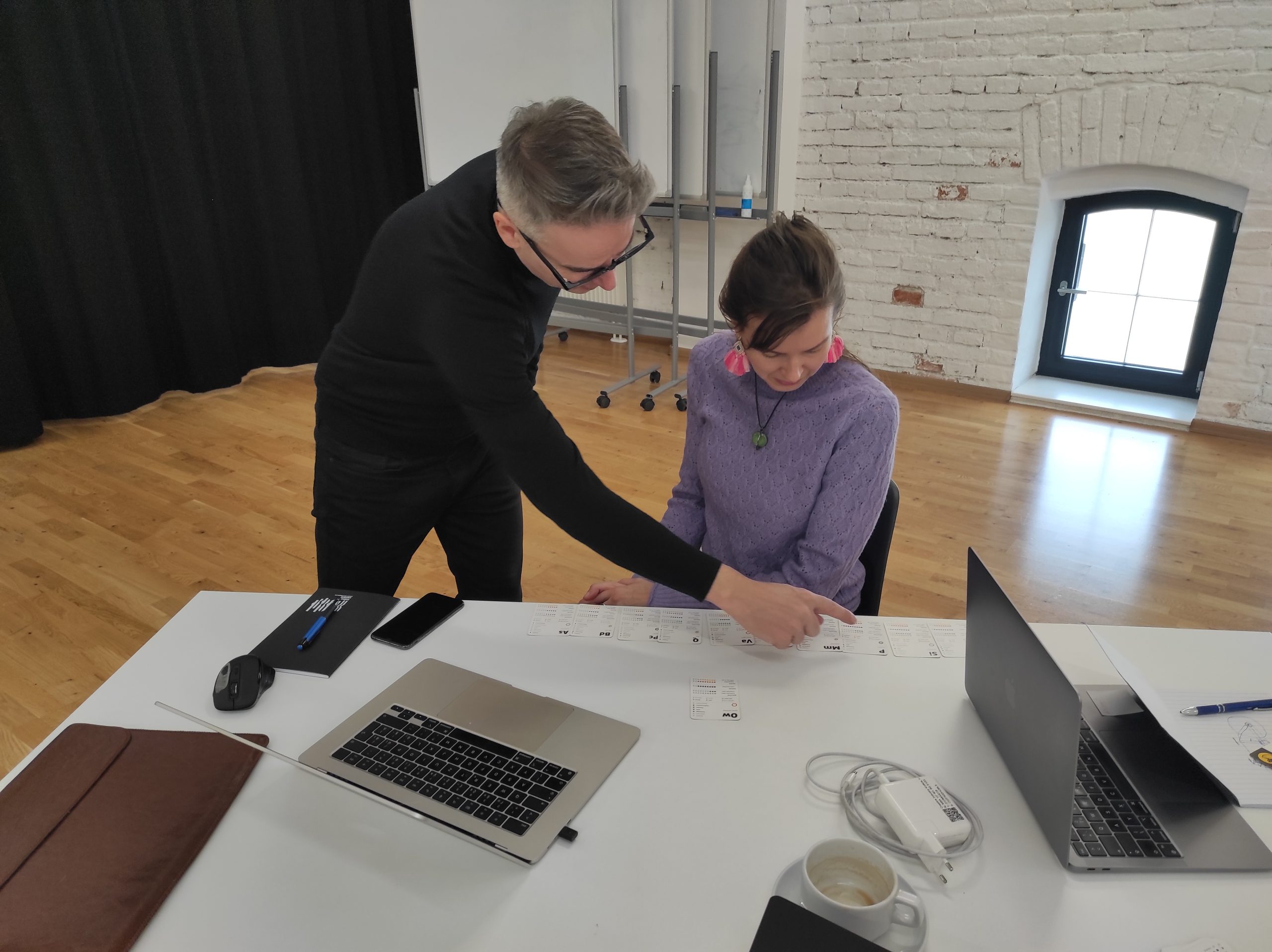
Cultuurloket will experiment with two popular existing training formats. The first is a hybrid training programme on HR administration and financial management, involving around 40 participants through five sessions of three hours, alternating between digital and physical formats. The second is a set of three business mentorship programmes for around 30 participants, with ten participants per programme selected through intake conversations. These mentorships focus on finance, income models, and working as an independent in the CCS, with strong emphasis on peer-to-peer learning and facilitated skills development.
The Framework was introduced to the team in February, with implementation into training frameworks planned by April and training delivery planned for Q3 and Q4.
Outcomes and early learning
The main expected outcomes are clearer learning outcomes, more focused training sessions, stronger confidence among training consultants, and better alignment between Cultuurloket’s training offer, sector needs, and strategic objectives.
Cultuurloket receives around 5,000 consultation questions each year, and these questions, together with stakeholder input, inform the topics selected for training. The pilot therefore builds on a strong evidence base from everyday sector support practice. Evaluation has shown that Cultuurloket’s trainings are appreciated, but can sometimes be too generic; the pilot directly addresses this by using CYANOTYPES to sharpen focus, learning outcomes, and expectation management.
If successful, the pilot will be implemented across Cultuurloket’s wider training offer. A final step would be the design of skills credentials that describe what has been learned in each training programme.
Adding value
The pilot is valuable because it strengthens the bridge between sector expertise and training quality. Many Cultuurloket consultants have deep legal, financial, tax, or business knowledge, but not all are trained educators. CYANOTYPES offers a shared structure to help them translate expertise into clearer learning outcomes, more confident facilitation, and more useful skills recognition for CCS workers and organisations.
Possible policy recommendations
This pilot suggests that policy makers, funders, and sector support organisations should invest in training quality and skills recognition for entrepreneurial learning in the Cultural and Creative Sectors. Many CCS workers need practical support in finance, legal issues, tax, HR, business development, and independent work, but this support becomes more powerful when it is connected to clear learning outcomes and recognisable competence language.
Policy support could focus on funding skills credentials for short professional training, supporting train-the-trainer development for sector experts, and recognising intermediary organisations such as Cultuurloket as key actors in lifelong learning ecosystems. The pilot also points to the value of using consultation data and stakeholder feedback to keep training responsive to real sector needs. This would help CCS workers not only access advice, but also build, name, and communicate the entrepreneurial competences they need for more self-reliant and sustainable careers.
Website: www.cultuurloket.be
“Creativity is not just a skill; it is a form of agency. The world is changing quickly, and we need frameworks that anticipate change.”
— David Crombie, CYANOTYPES Project Coordinator
Take the challenge: Run a CYANOTYPES Pilot
The CYANOTYPES team invites networks and institutions to take the next step. Lead the transformation by testing and adapting the CYANOTYPES Framework in your own context through tailored Open Pilots.
Start by exploring the CYANOTYPES Toolkit, a practical resource offering frameworks, cards, and templates to guide your organisation through its own journey of unlearning and relearning.
If you are interested in piloting the CYANOTYPES Framework, register here. CYANOTYPES partners will get in touch with you.
Discover examples from partner pilots and scenarios that may help you design your own pilot:
Read updated practical information of the CYANOTYPES Framework: