Pilot Runner: Escuela de Diseño del Instituto Nacional de Bellas Artes y Literatura — EDINBA (Mexico)
This Open Pilot, hosted by the Escuela de Diseño del Instituto Nacional de Bellas Artes y Literatura — EDINBA in Mexico, explores how an existing postgraduate course in public policy and legal frameworks can be reframed through the CYANOTYPES Competence Framework. The pilot is rooted in the Master’s in Creativity for Design programme and works with second-year master’s students from diverse disciplinary backgrounds.
The pilot creates a reflective and practice-based learning space where design students can examine how policy, legislation and institutional systems shape creative practice. It responds to a common challenge in higher education: the artificial divide between social sciences and creative disciplines, which can lead designers to underestimate the civic, legal and policy dimensions of their work.
Aims of the pilot
The pilot aims to enhance master’s design students’ ability to analyse public policy and legislation through a creative lens. Students connect Mexican policy and legal frameworks, as well as Mexico’s international obligations, to their own design research projects using CYANOTYPES competences and a triple-loop learning approach.
Rather than creating a new course, the pilot repurposes an existing 18-week curriculum as a structured testbed for competence-based learning. It treats policy and legal materials not only as course content, but as a space for competence acquisition, critical reflection and the development of student agency.
The main CYANOTYPES competences are:
B1 – Working with Values
B2 – Boundary Spanning
B3 – Anticipatory Innovation
B4 – Narrative Design
B5 – Managing Transformations
A1 – Creative Confidence
A5 – Collective Action
D5 – Working with Others
E1 – Self-Awareness and Empathy
The pilot strongly emphasises Public Agency, supported by creative, value-creating and regenerative competences. This makes it especially relevant for helping designers understand their role within socio-political systems, legal frameworks, and civic contexts.
Activities undertaken
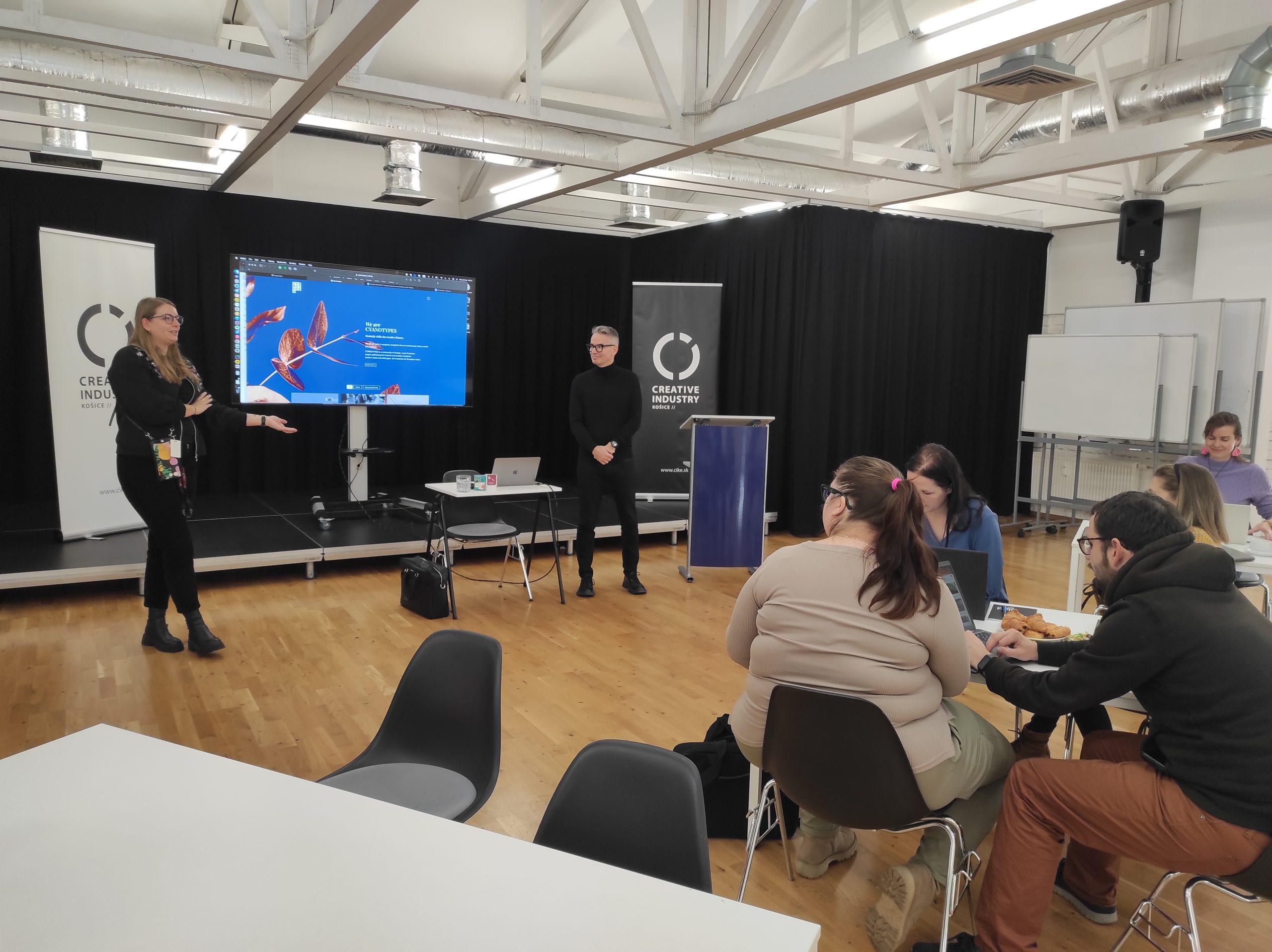
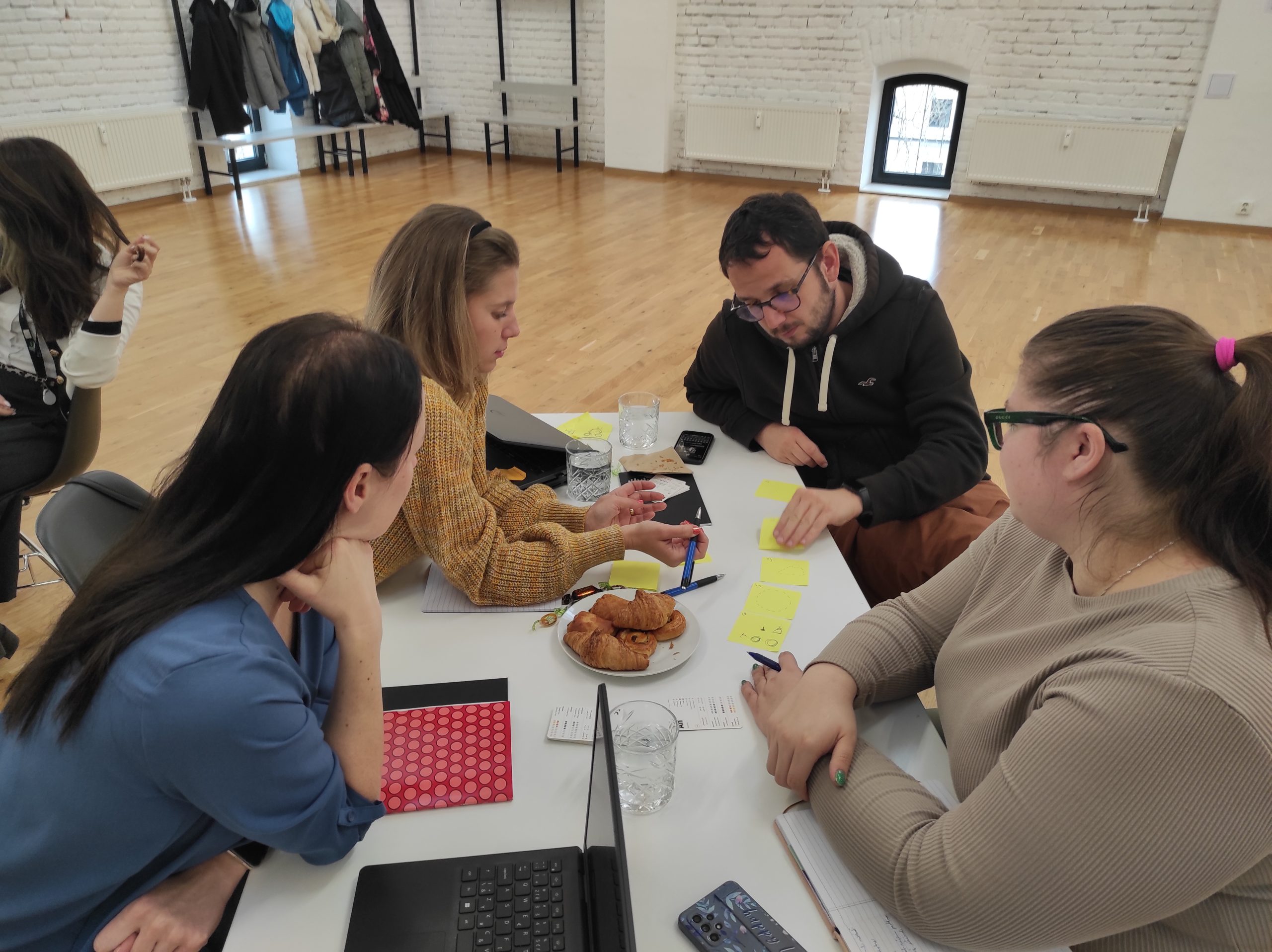
The pilot runs across one semester, from August to December 2025, with an estimated 7–10 learners. It uses course-based activities including workshops, policy mapping, comparative policy and legal analysis, review of design solutions within policy and legal settings, and reflective presentations.
Key milestones include an orientation and self-assessment in week 1, a Legislative Theater enactment and synthesis document in weeks 13–14, a Shark Tank-style pitch in week 16, a final policy and normative analysis of each student’s design research project in week 17, and a final self-assessment and meta-reflection in week 18.
The learning approach is student-based, participatory, and constructivist. Students work through their own real-world design research projects, using critical reflection to connect creative proposals with legal, institutional and policy environments. The CYANOTYPES Blueprinter is used as a methodological companion to support planning, facilitation, and reflection.
Outcomes and early learning
The pilot is expected to help learners frame design problems within legal and institutional contexts, reflect on their agency as future practitioners, and understand how designers can influence or respond to policies, laws and regulations.
At institutional level, the pilot aims to create a transferable teaching model for design schools interested in public engagement, policy-aware innovation, and curriculum renewal. Results will be used to adapt curriculum within EDINBA and shared through internal faculty channels and open CYANOTYPES events.
The model is scalable and could be expanded through new modules on governance, design ethics or stakeholder participation. Its local impact is to support a new generation of designers who can engage policy as part of their creative process.
Adding value
The pilot is valuable because it uses CYANOTYPES to challenge disciplinary silos without replacing the existing course. Its strength lies in helping design students see policy and legislation not as external constraints, but as part of the terrain in which creative agency operates. It also shows how competence-based learning can make civic responsibility, legal awareness and systemic thinking more tangible within creative education.
Possible policy recommendations
This pilot suggests that policy makers, curriculum leaders and cultural education institutions should support policy and legislative literacy as a core component of creative education. Designers and creative professionals increasingly work within complex regulatory, social and institutional environments, yet many programmes still treat policy, law and civic responsibility as peripheral to creative practice.
Policy support could focus on embedding policy-aware learning in design and arts curricula, funding interdisciplinary teaching between creative disciplines and social sciences, and recognising competence-based approaches that help students connect values, public impact and legal frameworks. The EDINBA pilot also points to the value of experiential formats such as legislative theatre, policy mapping and pitch-based reflection, which can help future creatives engage critically and constructively with governance rather than seeing it as separate from design.
Website: https://edinba.inba.gob.mx
“Creativity is not just a skill; it is a form of agency. The world is changing quickly, and we need frameworks that anticipate change.”
— David Crombie, CYANOTYPES Project Coordinator
Take the challenge: Run a CYANOTYPES Pilot
The CYANOTYPES team invites networks and institutions to take the next step. Lead the transformation by testing and adapting the CYANOTYPES Framework in your own context through tailored Open Pilots.
Start by exploring the CYANOTYPES Toolkit, a practical resource offering frameworks, cards, and templates to guide your organisation through its own journey of unlearning and relearning.
If you are interested in piloting the CYANOTYPES Framework, register here. CYANOTYPES partners will get in touch with you.
Discover examples from partner pilots and scenarios that may help you design your own pilot:
Read updated practical information of the CYANOTYPES Framework: