
Pilot Runner: Fashion Innovation Center, FAINCE AB (Sweden)
This Open Pilot, hosted by the Fashion Innovation Center, FAINCE AB in Sweden, focuses on future manufacturing skills for the European fashion industry. Titled “Manufacturing for the Future – Train the Trainer Open Pilot for Fashion Industry & Education,” the pilot supports fashion industry actors, fashion educators, designers and, indirectly, students to prepare for the changing conditions of fashion production in Europe.
The pilot responds to a moment of strong transition for the sector. Fashion organisations are facing pressure from emerging EU policy requirements, including digital product passports, sustainability regulations and competitiveness priorities, while many actors still lack the skills and knowledge needed to work confidently with digital possibilities and dual transition challenges.
Aims of the pilot
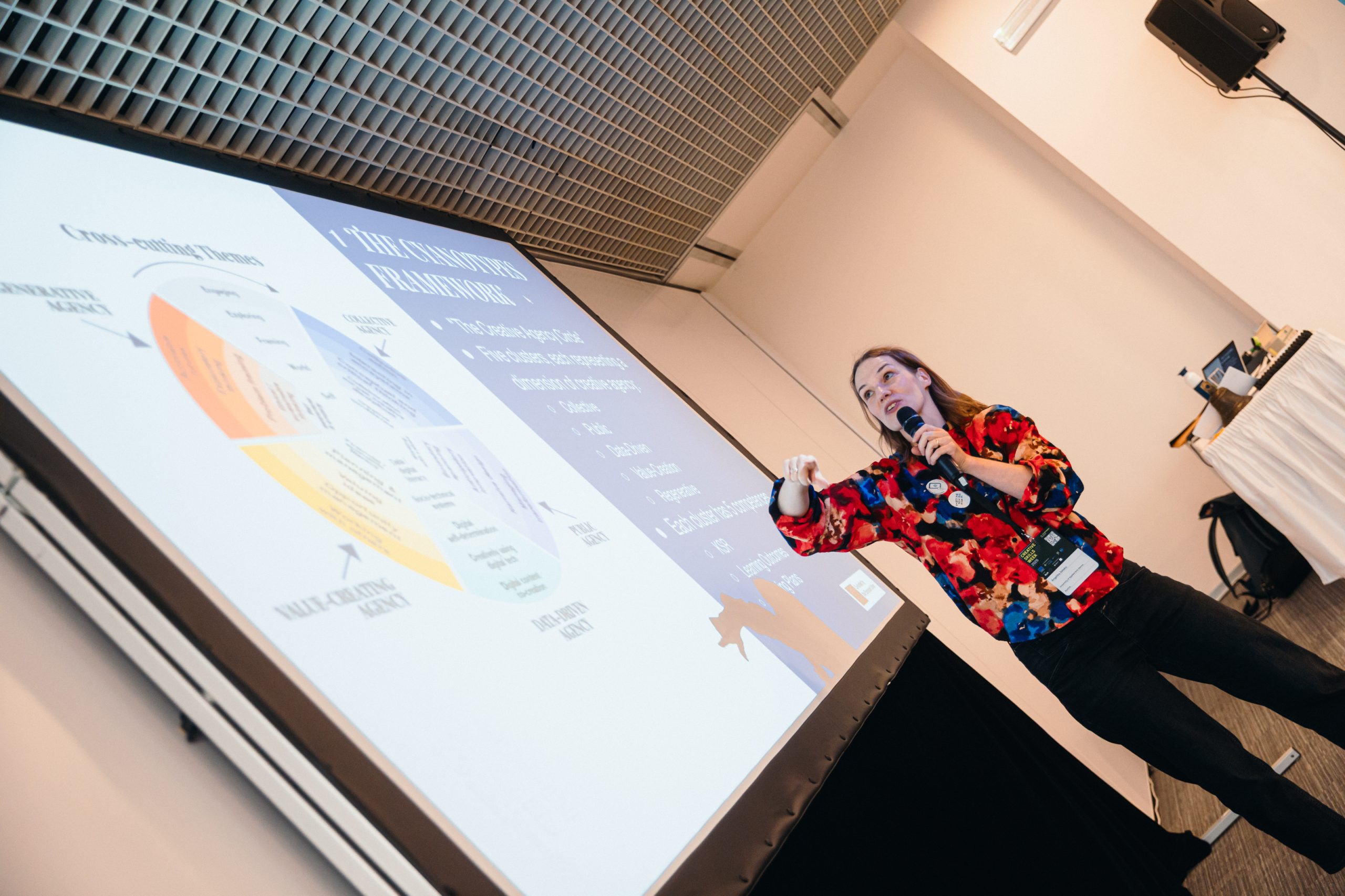
The pilot aims to support upskilling and reskilling in fashion manufacturing by designing training courses that address future skills needs in the sector. It will incorporate the CYANOTYPES triple-loop learning model and selected core competences from the CYANOTYPES framework into course design for fashion industry professionals and fashion educators.
The CYANOTYPES Blueprinter will also be used to help identify the core competences most relevant to the courses. At this stage, the specific competences are still to be defined during course planning, which allows the pilot to respond to the actual needs of participants and sector stakeholders rather than fixing the competence focus too early.
The wider ambition is to contribute to a viable, future-prepared European fashion sector with the skills needed to thrive under new regulatory, technological and sustainability conditions.
Activities undertaken
The pilot will be delivered through training courses using a hybrid model. Planning will take place from September 2025 to January 2026, with courses running from February to July 2026. Participant feedback will be collected in parallel, and a Train the Trainer Manifesto will be drafted between June and August 2026.
The primary target groups are fashion industry actors, fashion educators, and fashion designers. Secondary stakeholders include fashion students and fashion schools, with potential collaboration mentioned with institutions such as LCF. The expected number of participants is still to be confirmed and will depend on the final course design.
The pilot will draw on expert input, especially in topics related to the dual transition, and will use participant feedback to understand what trainers and industry actors need in order to prepare for future manufacturing realities.
Outcomes and early learning
The main expected outcome is a set of quality courses that help participants design and rethink their approaches to the fashion sector’s future. The pilot also aims to generate a Train the Trainer Manifesto on skills needed for the future manufacturing of the fashion sector.
This manifesto is intended to maximise impact by acting as a policy-facing communication and advocacy tool, especially for outreach at European Union level. While spin-off pilots are not currently expected within CYANOTYPES, related spin-off courses may be made available upon request.
Adding value
The pilot is valuable because it connects course design, trainer development and policy-facing sector intelligence. Its strength lies in using CYANOTYPES not only to support learning, but also to gather evidence from participants and translate it into a manifesto that can speak to wider European debates on fashion, manufacturing, sustainability, digitalisation and competitiveness.
Possible policy recommendations
This pilot suggests that policy makers, funders and sector bodies should support train-the-trainer models for future manufacturing skills in fashion, especially where digital and sustainability transitions are creating new requirements for industry and education. The fashion sector needs more than regulatory awareness; it needs practical learning pathways that help educators, designers and industry actors translate new policy demands into viable manufacturing practice.
Policy support could focus on funding hybrid upskilling courses, supporting expert-led training on dual transition topics, recognising fashion educators as key multipliers for sector change, and using pilot feedback to shape policy-facing tools such as manifestos or skills roadmaps. The FAINCE pilot also points to the need for stronger alignment between EU competitiveness agendas, sustainability regulation, digital product infrastructures and the real skills capacity of fashion professionals and educators.
“Creativity is not just a skill; it is a form of agency. The world is changing quickly, and we need frameworks that anticipate change.”
— David Crombie, CYANOTYPES Project Coordinator
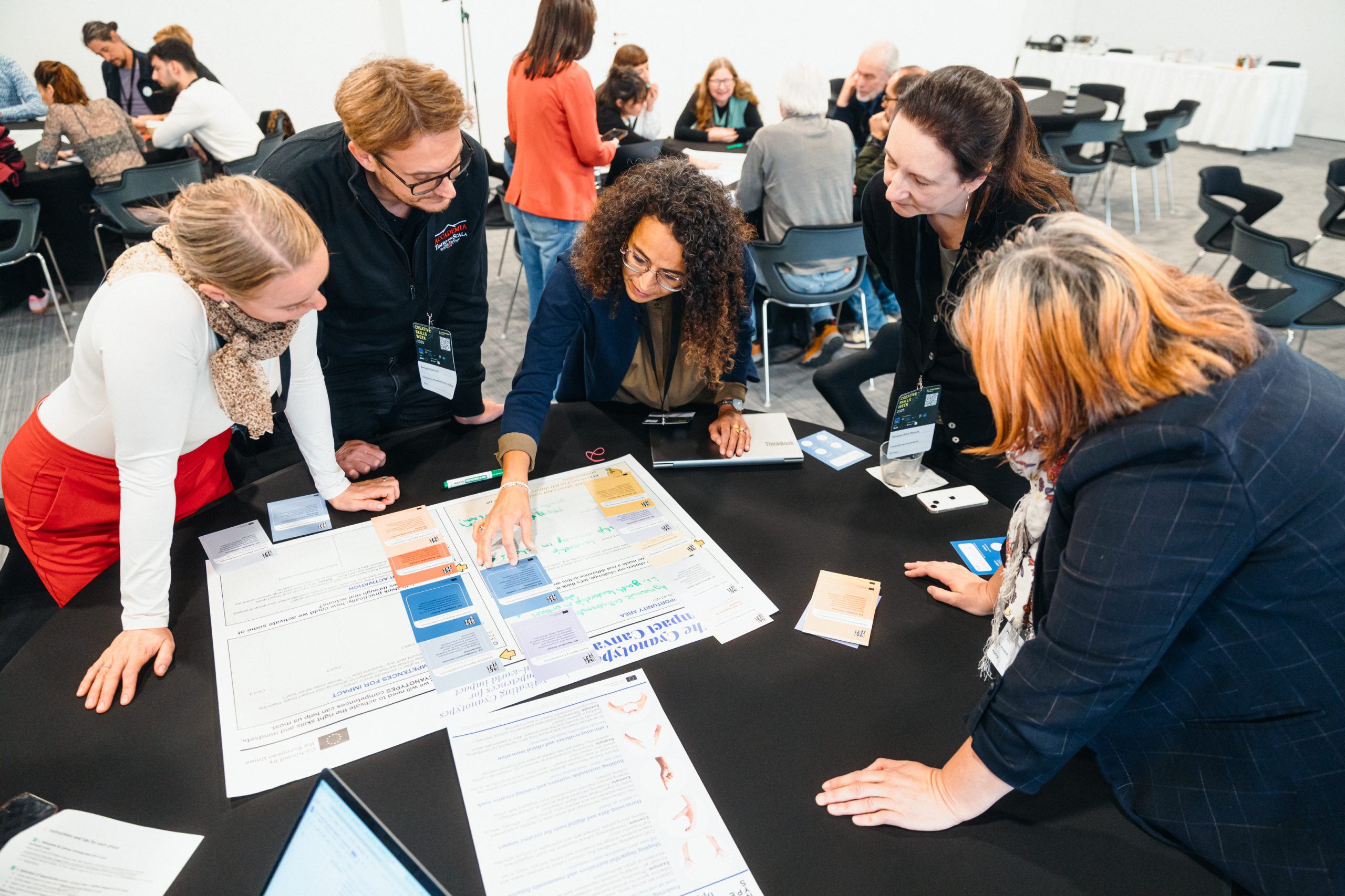
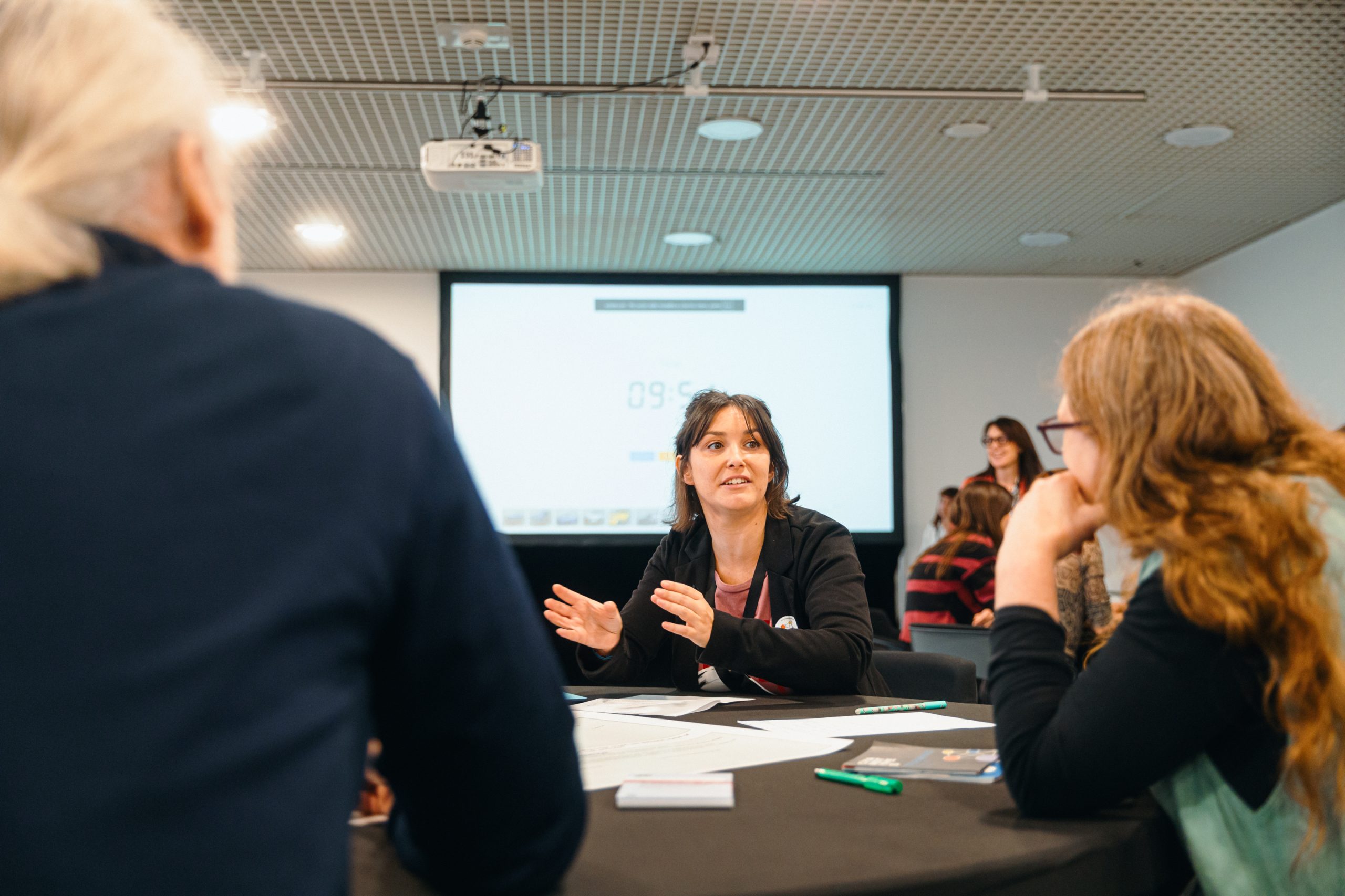
Take the challenge: Run a CYANOTYPES Pilot
The CYANOTYPES team invites networks and institutions to take the next step. Lead the transformation by testing and adapting the CYANOTYPES Framework in your own context through tailored Open Pilots.
Start by exploring the CYANOTYPES Toolkit, a practical resource offering frameworks, cards, and templates to guide your organisation through its own journey of unlearning and relearning.
If you are interested in piloting the CYANOTYPES Framework, register here. CYANOTYPES partners will get in touch with you.
Discover examples from partner pilots and scenarios that may help you design your own pilot:
Read updated practical information of the CYANOTYPES Framework: