
Pilot Runner: New Design University in (Austria)
This Open Pilot, hosted by New Design University in St. Pölten, Austria, focuses on bridging the gap between designers and small and medium-sized enterprises. Titled “Make It Count: Equipping design education for SME collaboration,” the pilot aims to help designers better understand, articulate and communicate the economic and strategic value of their work.
The pilot responds to a practical challenge in design education and professional practice: many designers are trained to develop strong creative proposals, but may be less prepared to explain their value in the language of business, especially when working with SMEs or design-distant sectors. It therefore strengthens design education by connecting creative practice with market realities, economic decision-making and societal value creation.
Aims of the pilot
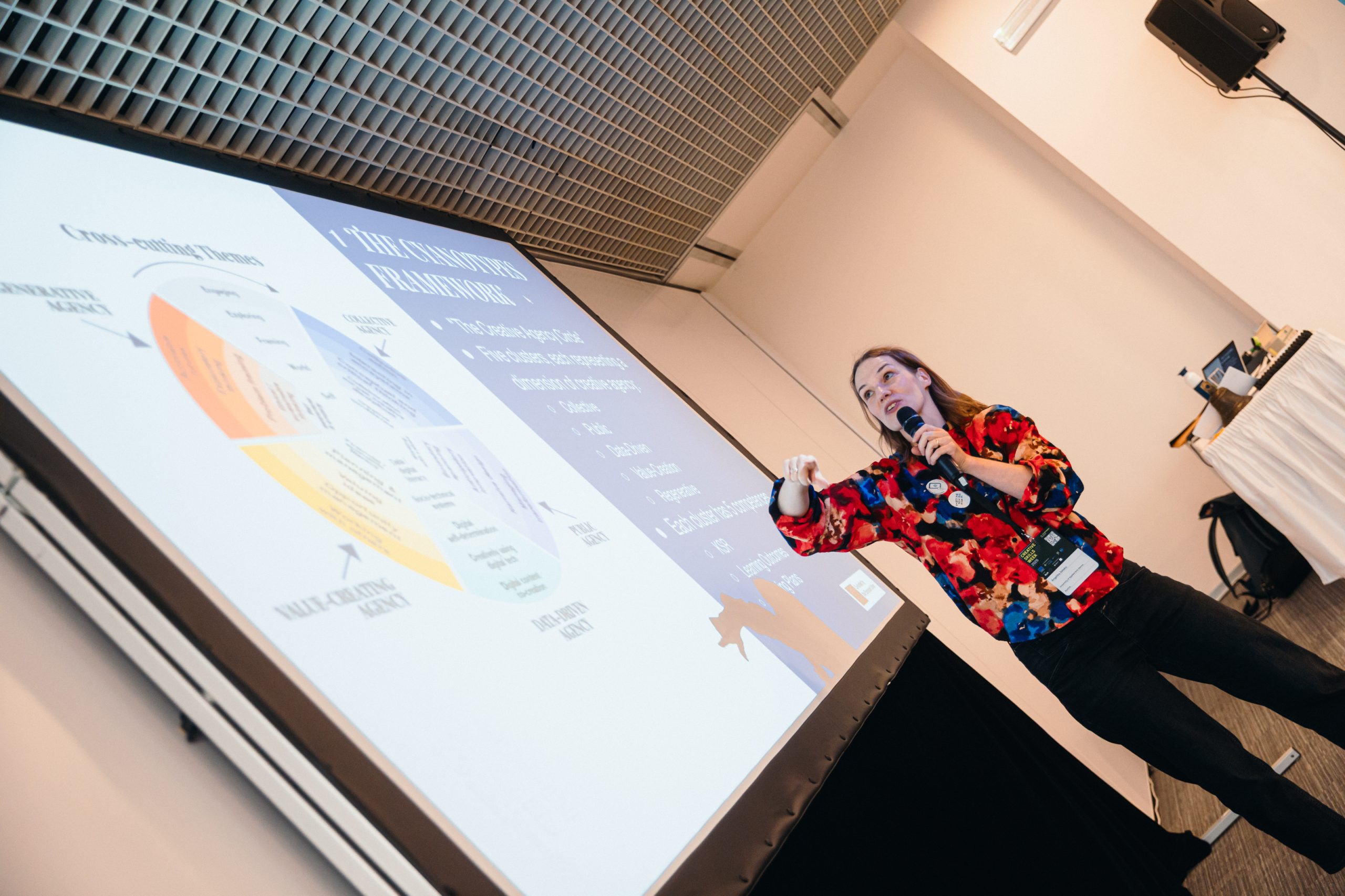
The pilot aims to use the CYANOTYPES Framework to systematically identify, structure and integrate economic, value-related and strategic competences into design education. It will support the development of learning formats that help designers navigate between creative practice, economic conditions and wider societal value.
Expected outcomes include a conceptual design for a module plan or university programme, flexible learning formats such as workshops or intensive modules, and concrete didactic approaches for teaching value creation, planning and economic thinking within design education.
The pilot currently focuses on the CYANOTYPES Value-Creating Agency competences:
D1 – Financial and Economic Literacy
D2 – Planning and Management
D3 – Valuing Ideas
D4 – Opportunity Management
D5 – Working with Others
These competences are especially relevant for helping designers communicate the tangible value of services such as visual identity, web presence, spatial design and product communication. They also support designers in responding to the real questions SMEs often ask, such as why design is needed and whether it can be done more affordably.
Activities undertaken
The pilot expects to involve 20–40 participants, including bachelor’s and master’s design students, emerging designers preparing for professional practice, and educators or trainers in design and creative disciplines. Secondary stakeholders include SMEs, especially from design-distant sectors, regional economic and innovation actors, and institutional partners from education and funding ecosystems.
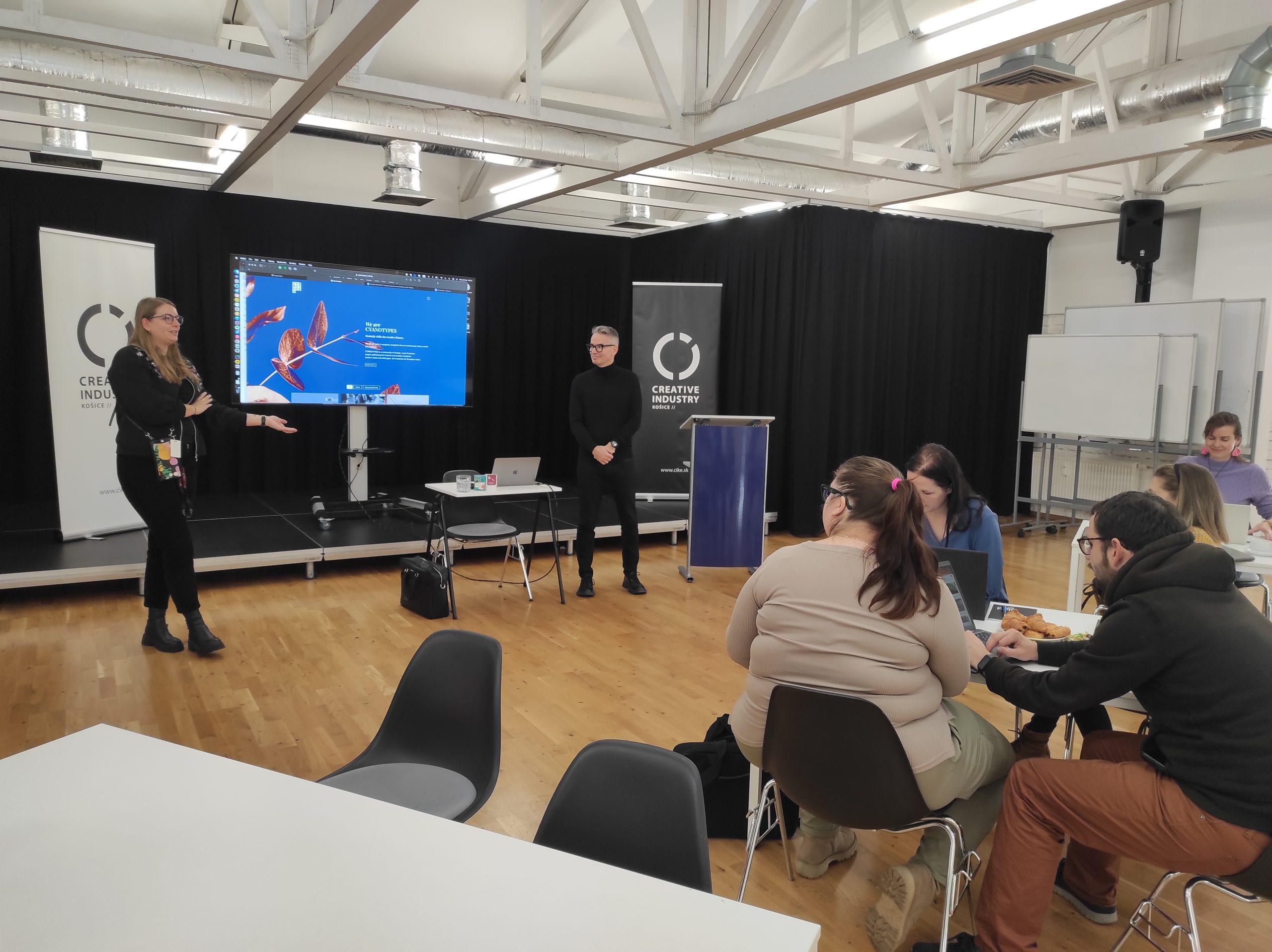
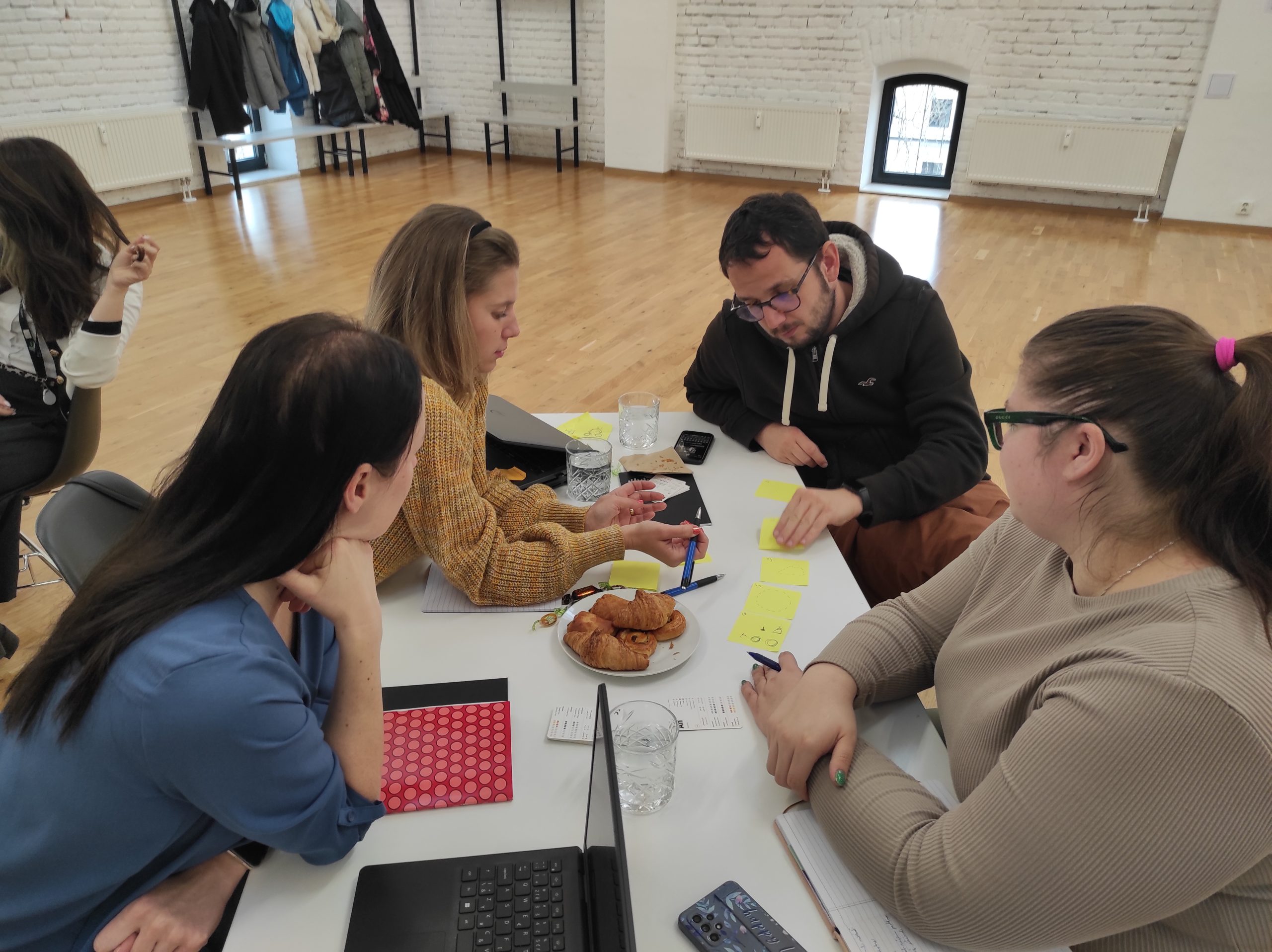
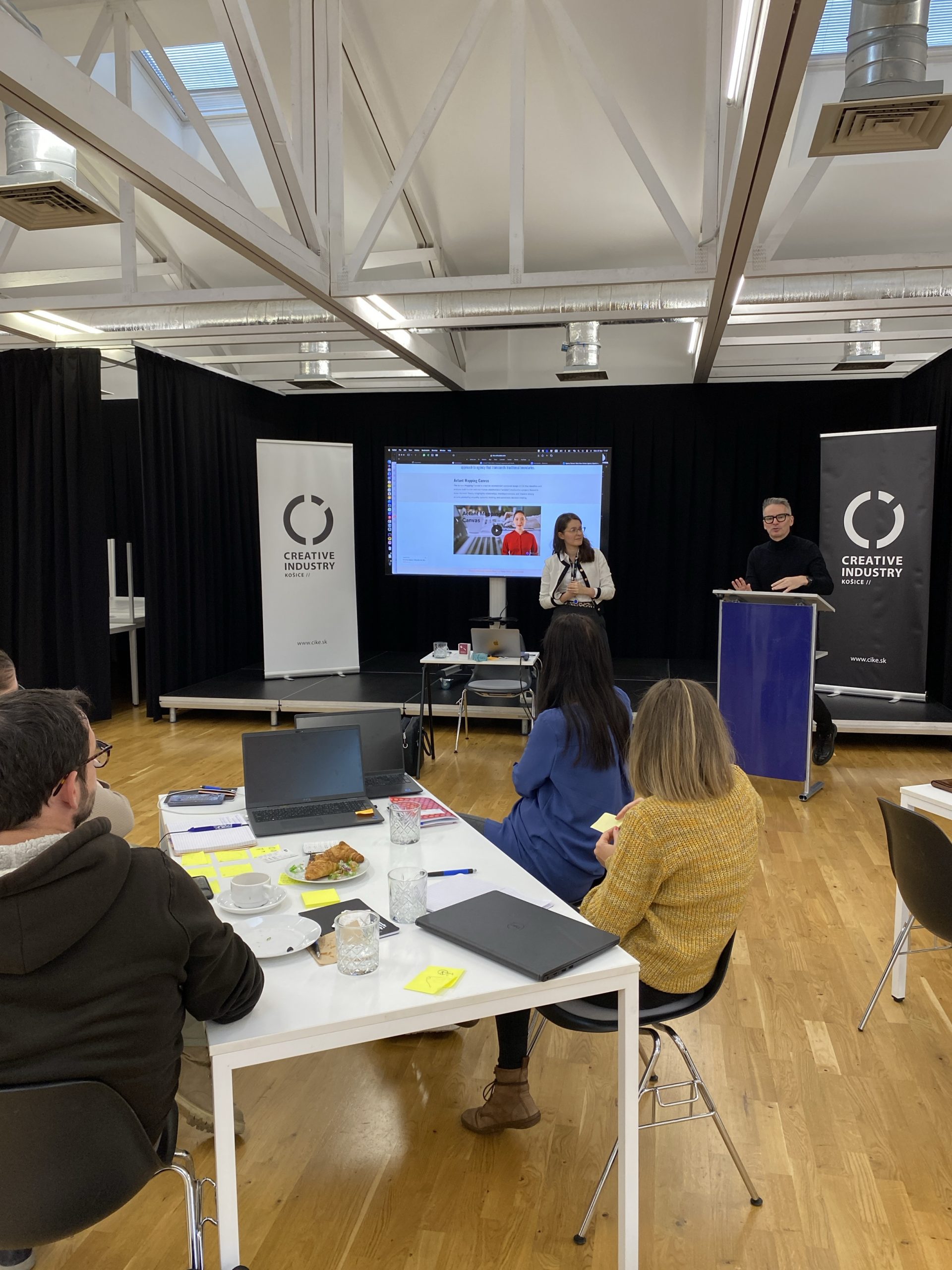
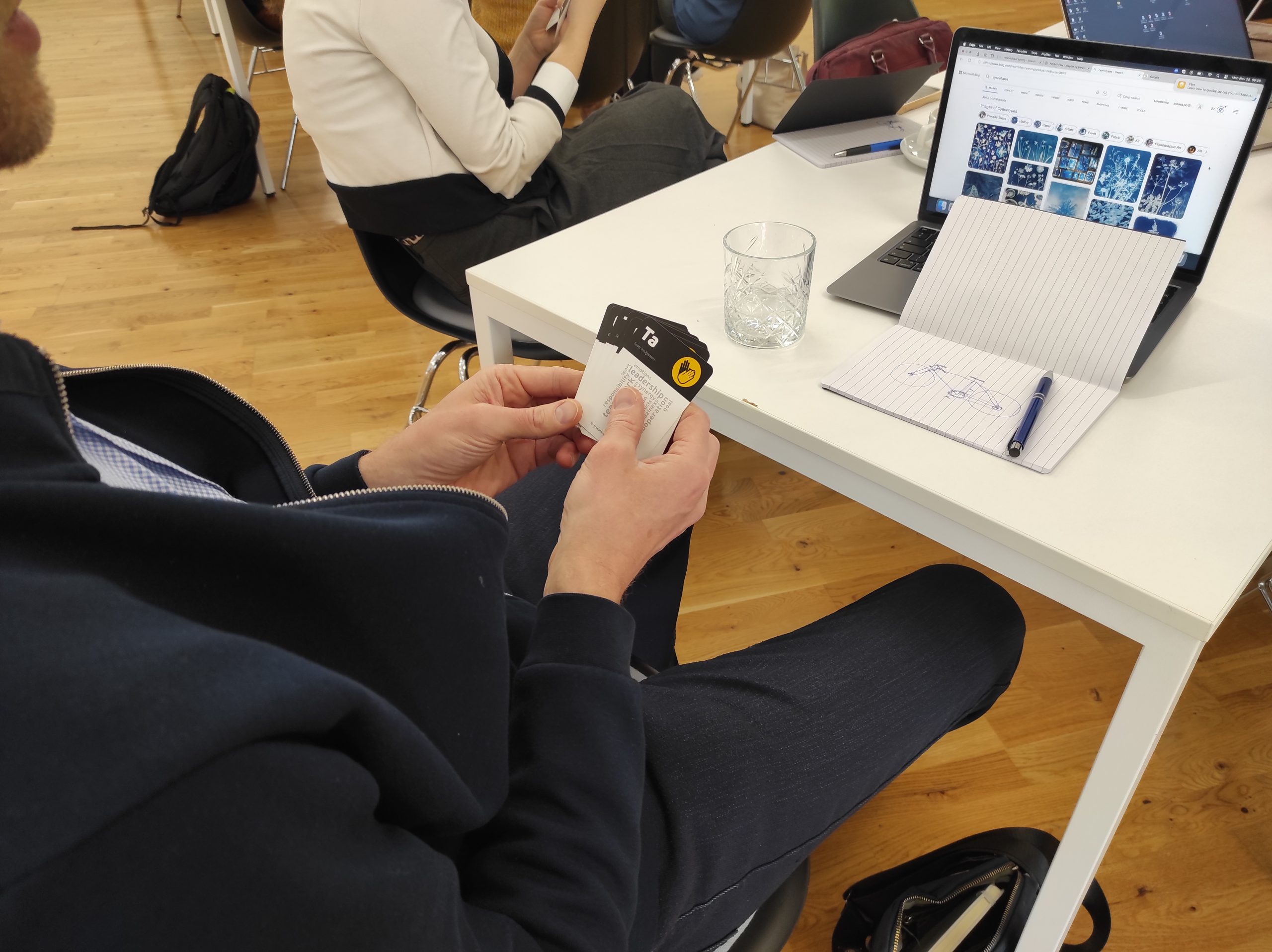
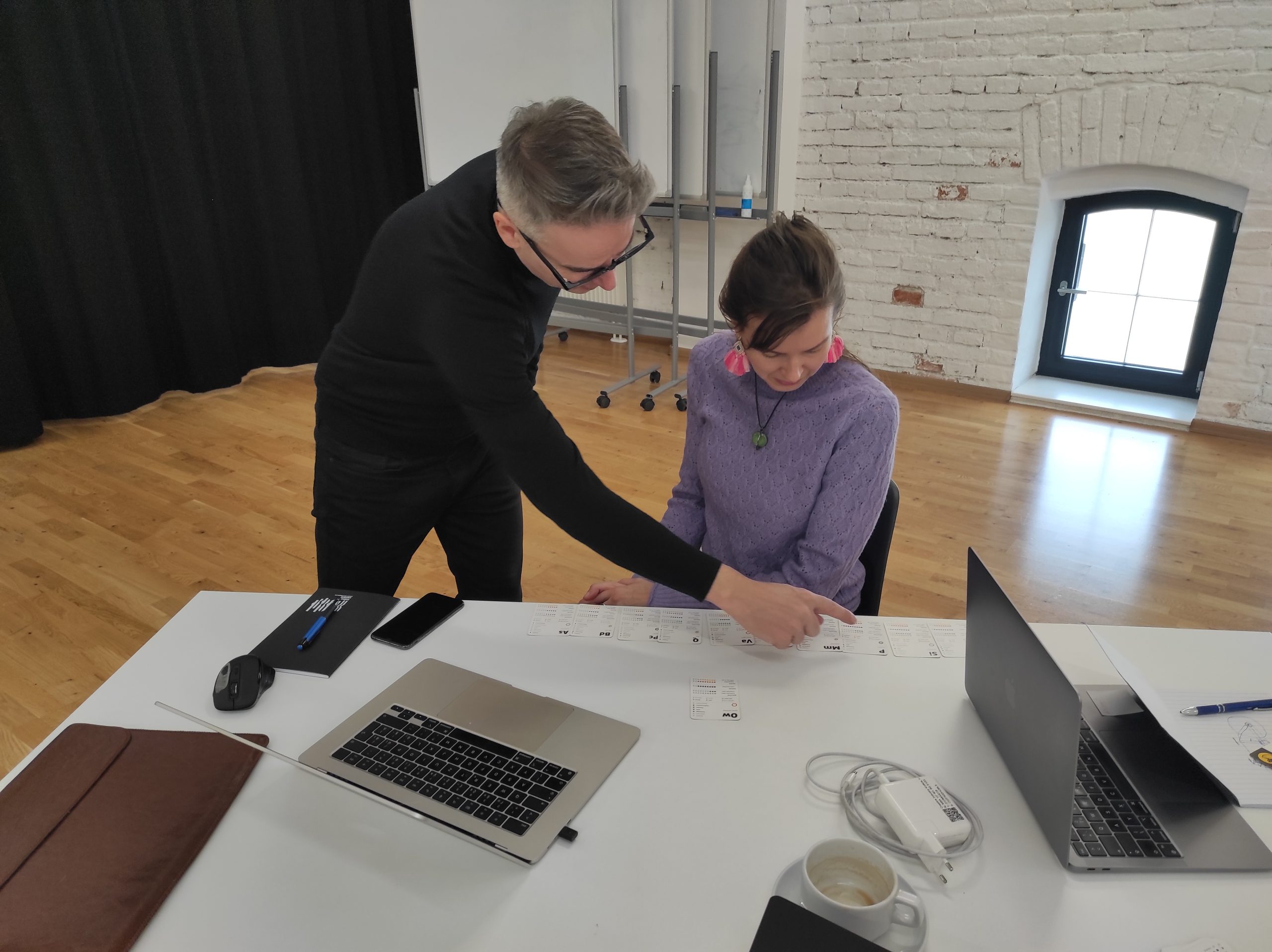
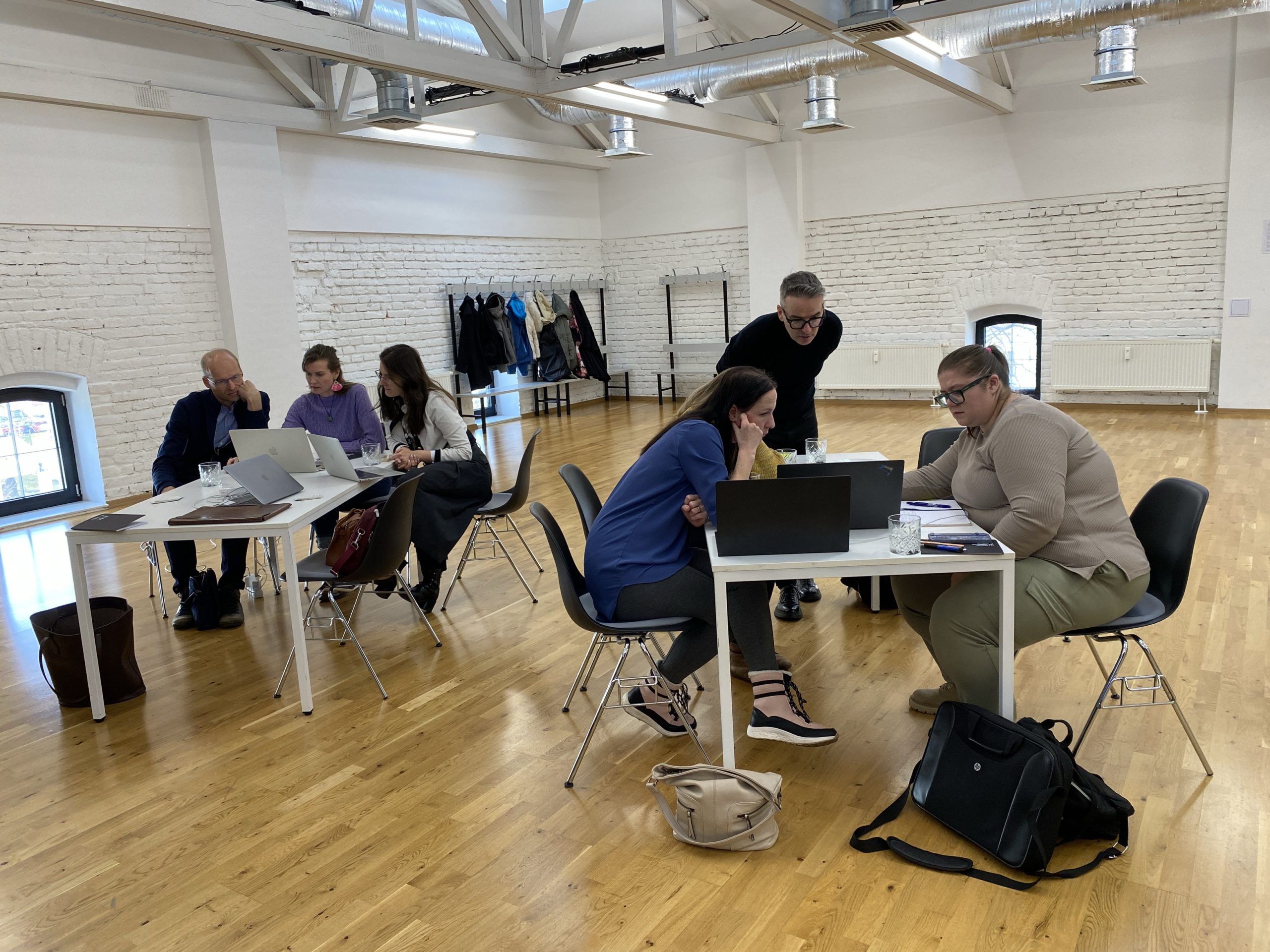
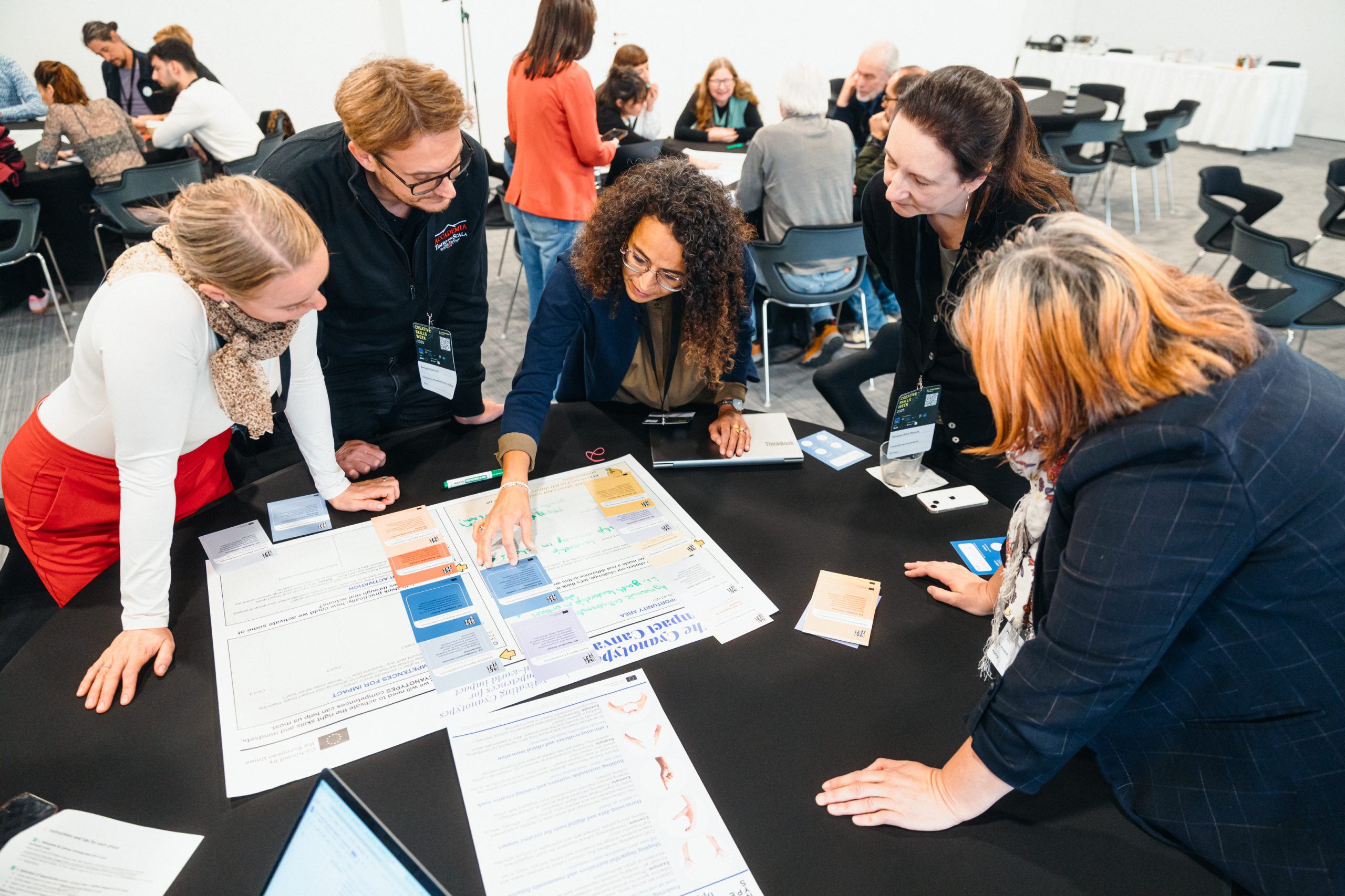
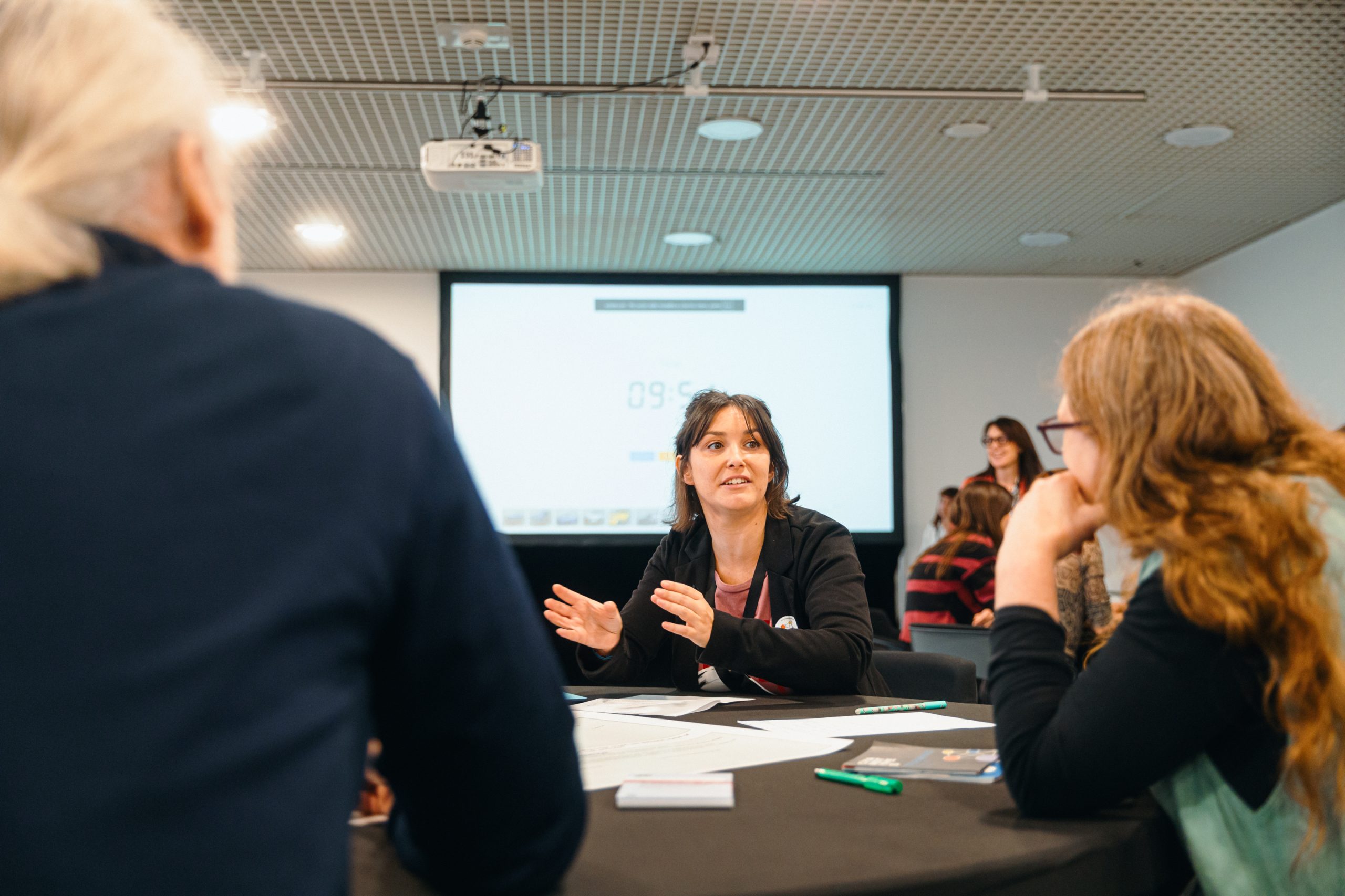
Planned activities include workshops and training sessions, conceptual development work such as desk research and curriculum design, facilitated reflection and feedback formats, and pilot testing of selected learning modules or teaching formats. The learning approach is practice-oriented, reflective and competence-based, combining theory, application and reflection so that participants can better navigate uncertainty, economic constraints and real-world decision-making situations.
Outcomes and early learning
The pilot aims to generate modular and transferable outcomes, including documented learning formats, modular concepts and clear competence mappings. These can be integrated into existing curricula, further developed, or adapted to other educational contexts.
For New Design University and participating educational institutions, the pilot supports the strategic development of design education by integrating economic, value-related and planning competences more systematically into teaching and curricula. At ecosystem level, it seeks to improve collaboration between designers and SMEs by preparing designers to communicate in business-relevant terms, understand economic constraints and articulate the tangible value of their work.
The pilot may be expanded to additional educational institutions, with possible follow-up pilots involving SMEs directly.
Adding value
The pilot is valuable because it addresses a real translation problem between design education and SME decision-making. Its strength lies in helping designers protect the depth of their creative expertise while becoming more fluent in economic language, value articulation and strategic collaboration. It also opens a timely question around AI-based internal solutions: designers will increasingly need to explain what professional design adds beyond cheaper or automated alternatives.
Possible policy recommendations
This pilot suggests that policy makers, education leaders and regional innovation actors should support value articulation and economic literacy as core parts of design education. For design to contribute more strongly to regional innovation, students and emerging professionals need to understand not only how to create high-quality design work, but also how to communicate its value to SMEs with different levels of design awareness.
Policy support could focus on funding practice-based modules that connect designers with SMEs, supporting curriculum innovation around value creation and planning, and creating regional platforms where design students, educators, businesses and innovation actors can test collaboration formats. The NDU pilot also points to the need for policy attention to AI-driven shifts in design procurement, so that future designers are prepared to work with AI tools while clearly articulating the strategic, human and contextual value of professional design.
Website: https://www.ndu.ac.at/
“Creativity is not just a skill; it is a form of agency. The world is changing quickly, and we need frameworks that anticipate change.”
— David Crombie, CYANOTYPES Project Coordinator
Take the challenge: Run a CYANOTYPES Pilot
The CYANOTYPES team invites networks and institutions to take the next step. Lead the transformation by testing and adapting the CYANOTYPES Framework in your own context through tailored Open Pilots.
Start by exploring the CYANOTYPES Toolkit, a practical resource offering frameworks, cards, and templates to guide your organisation through its own journey of unlearning and relearning.
If you are interested in piloting the CYANOTYPES Framework, register here. CYANOTYPES partners will get in touch with you.
Discover examples from partner pilots and scenarios that may help you design your own pilot:
Read updated practical information of the CYANOTYPES Framework: