Pilot Runner: /rehub (Turkey)
This Open Pilot, hosted by /rehub in Istanbul, Türkiye, focuses on Career Ramp: Future Skills for Emerging Designers. The pilot supports industrial design students and new graduates as they move from education into professional practice, helping them build confidence, articulate their value, and connect their design decisions with social, business and sustainability contexts.
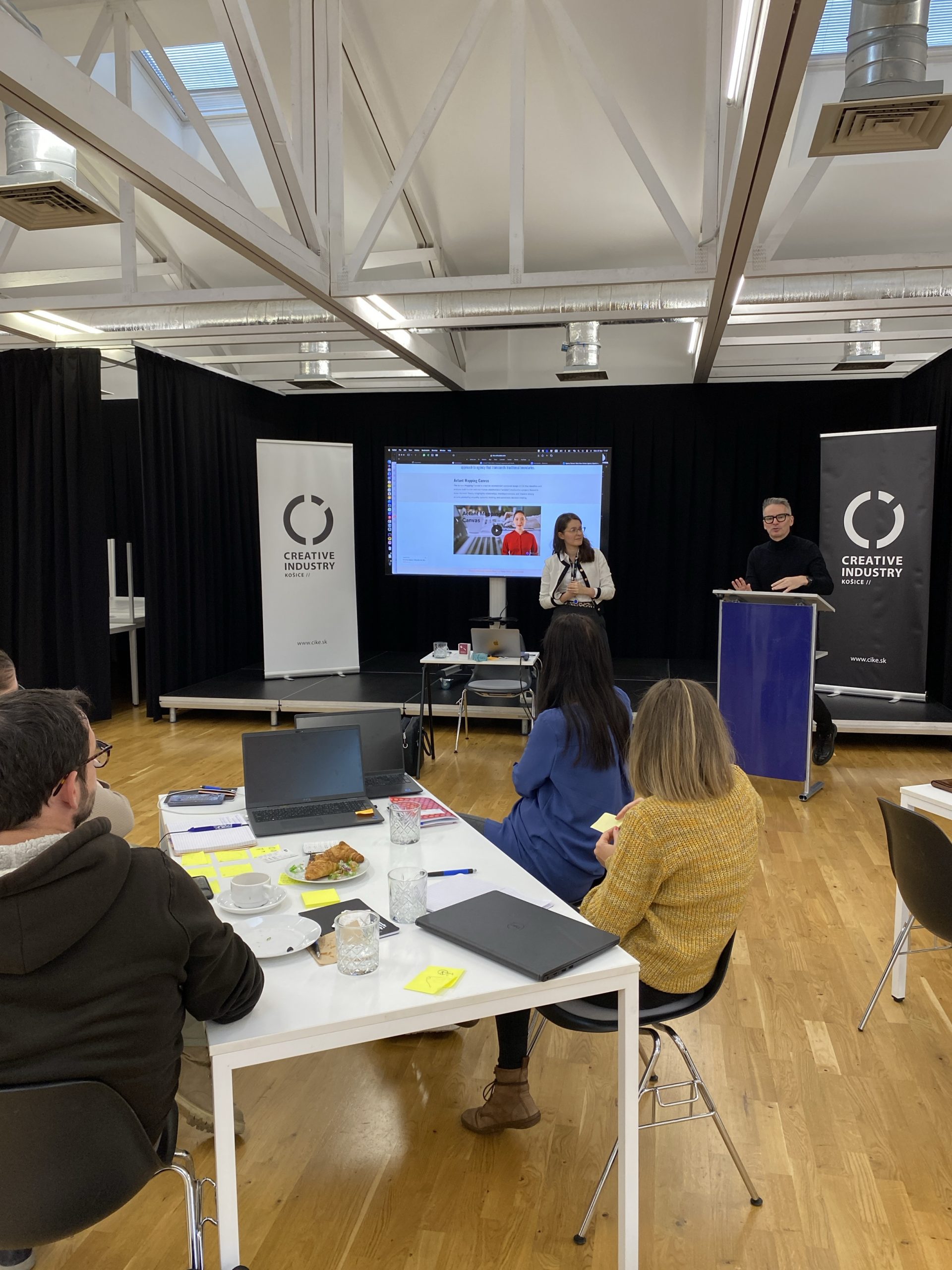
The pilot was delivered with the Industrial Designers’ Society of Turkey – Istanbul Branch and Tasarım Atölyesi Kadıköy, bringing together learners, mentors, facilitators and organisers in a short hybrid programme. The visual materials in the learner and mentor reports describe the programme as “Kariyer Geçidi”, delivered at Tasarım Atölyesi Kadıköy and online between 28 February and 14 March 2026.
Aims of the pilot
The pilot aims to equip emerging industrial designers with future competences in Collective Agency and Value-Creating Agency. It focuses on collaboration, co-creation, reflective practice, team-based problem solving, communication, self-presentation, project articulation, and the ability to connect design work with user, business and sustainability value.
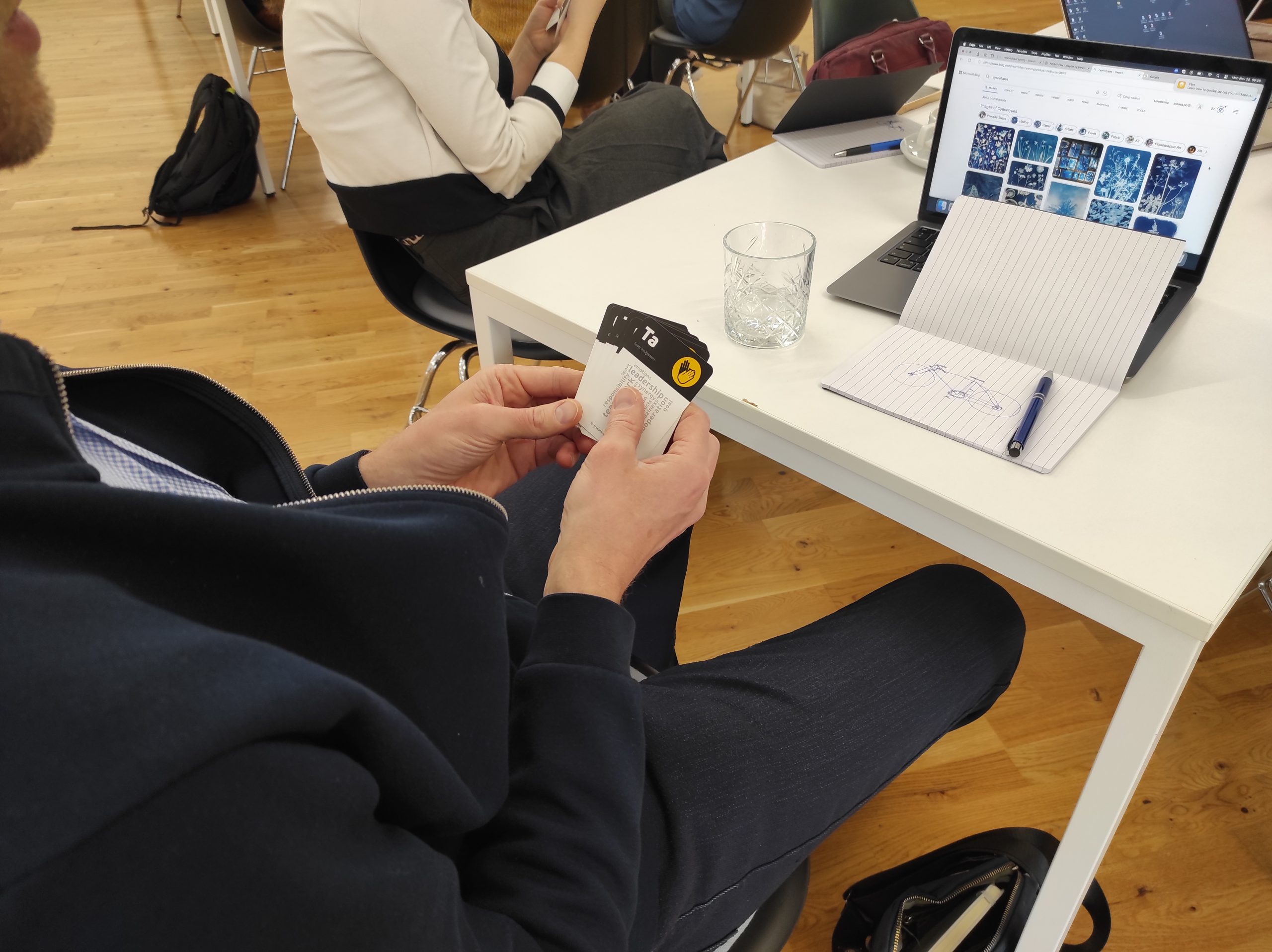
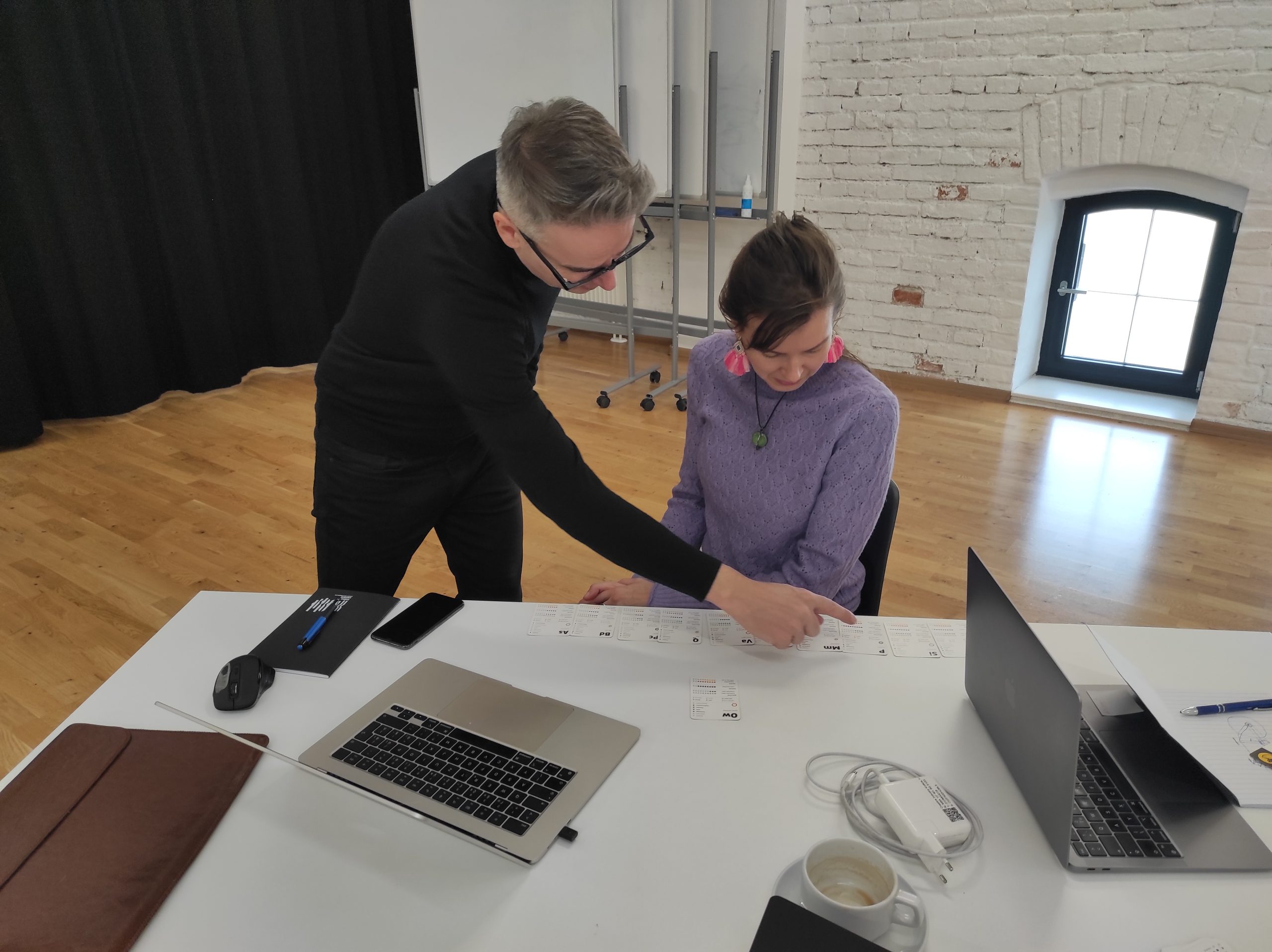
The CYANOTYPES Framework was used to frame learning objectives, guide reflection and evaluation through self-assessment and triple-loop learning, and document the programme as a transferable model for local hubs and design education networks. The intended outcomes included participants articulating their value proposition as designers, a documented model for replication across Industrial Designers’ Society branches, a connected community of young designers and mentors, and a contribution to the CYANOTYPES Future Skills Pilot Library.
Activities undertaken
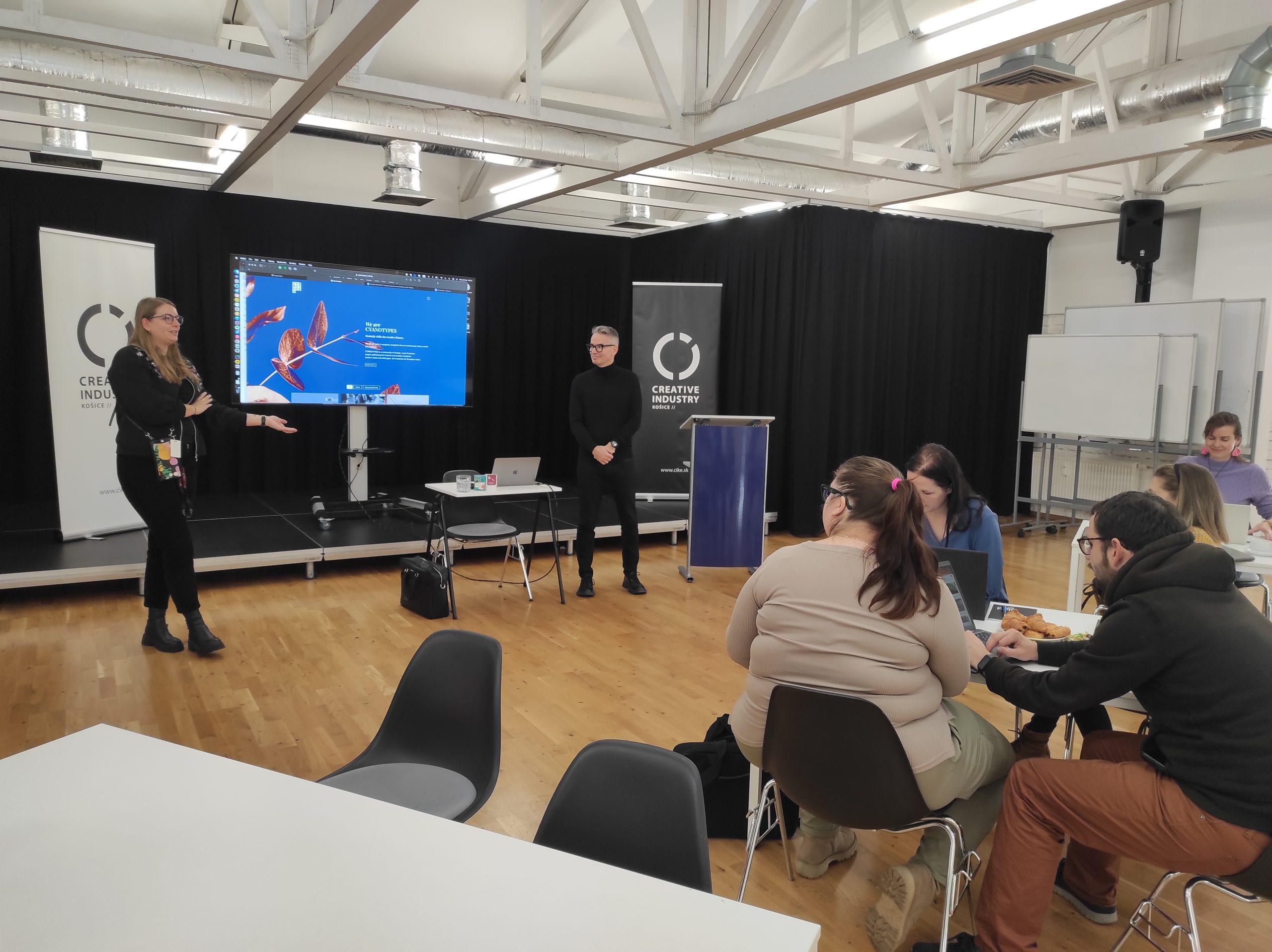
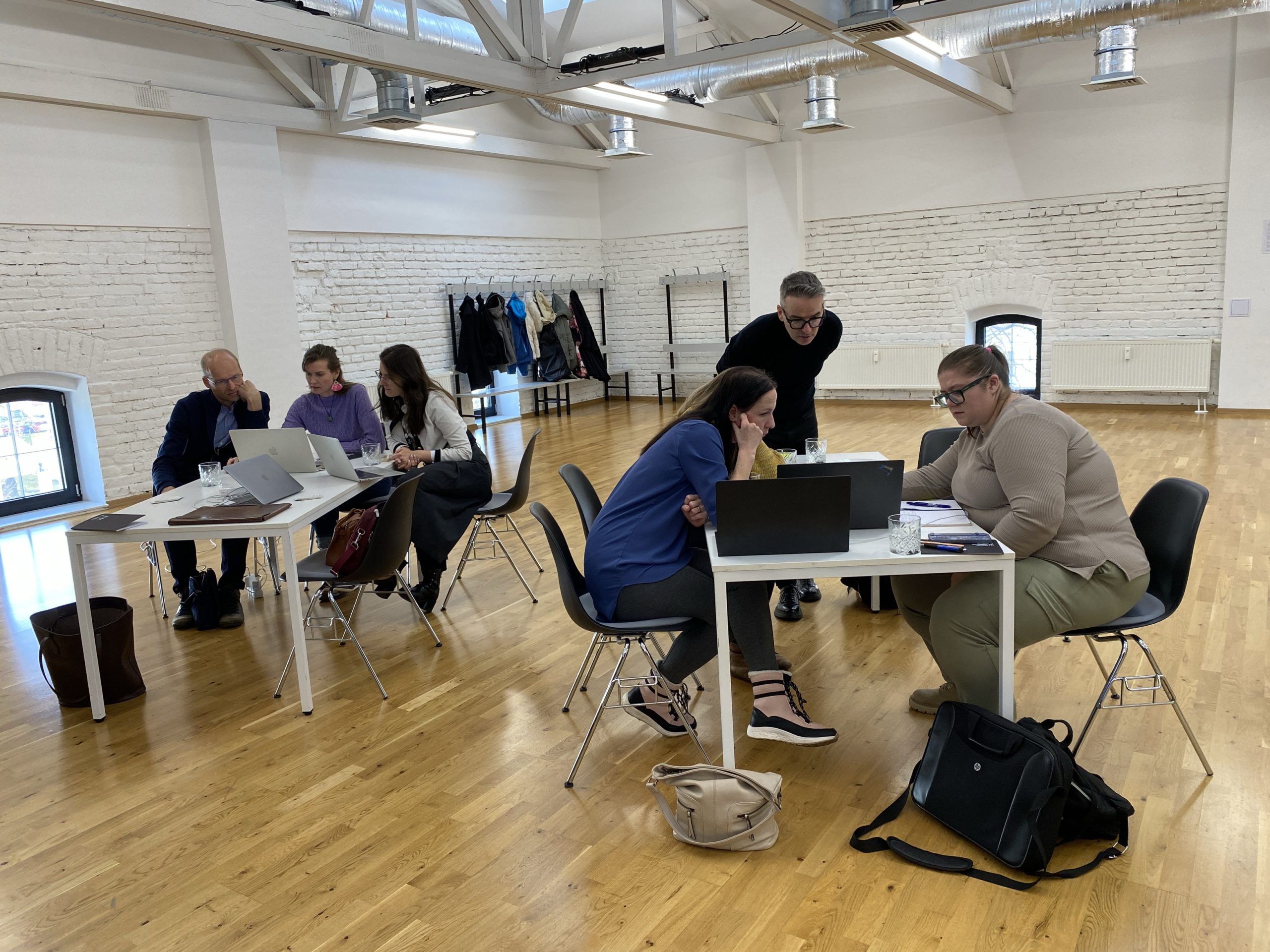
The pilot involved 15 learners, 6 mentors, 1 facilitator, 1 organiser and 2 assistants. It was delivered as a five-module hybrid training programme, including in-person workshops, online sessions, mentoring, co-creation labs and a final reflection showcase.
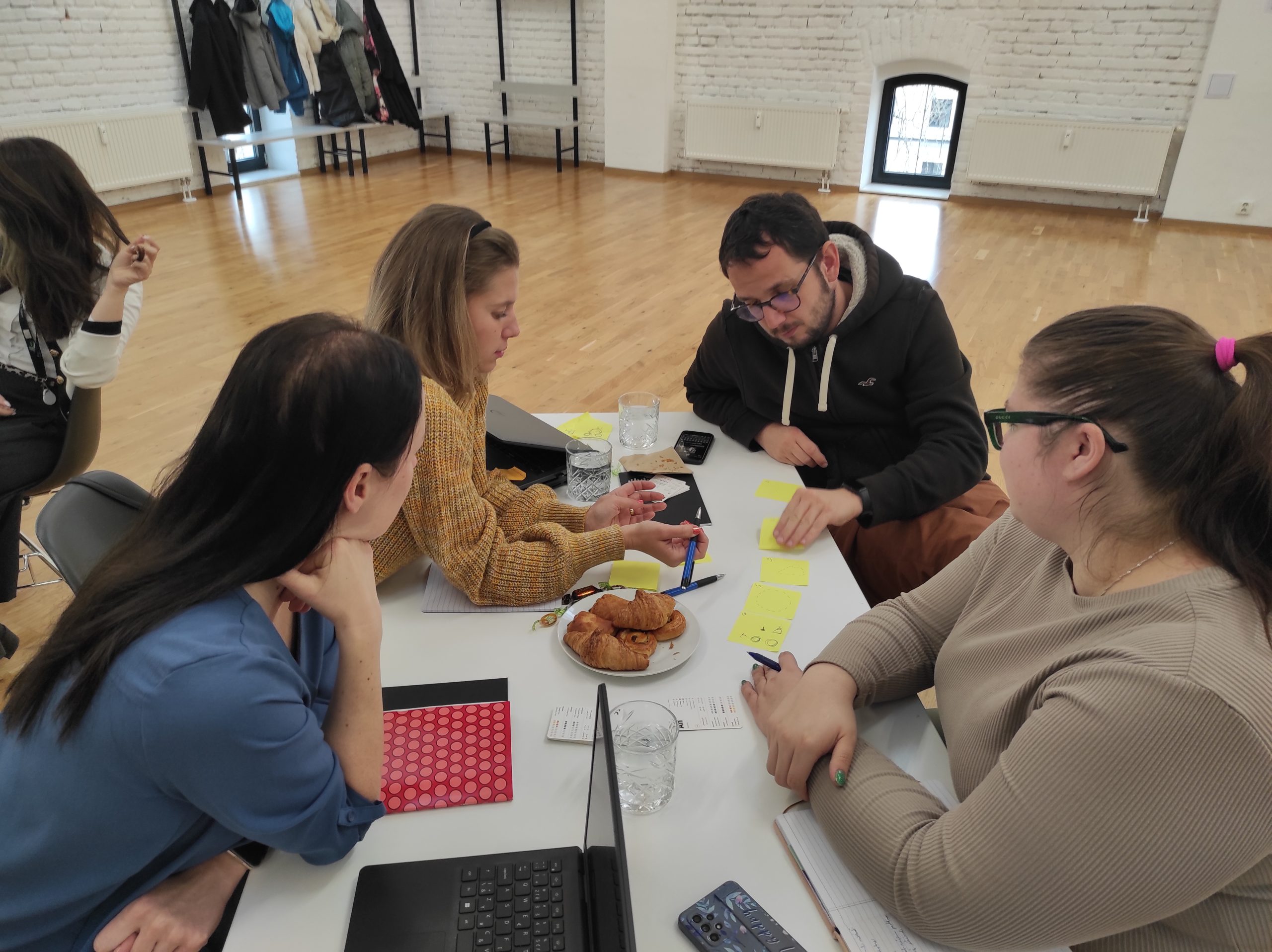
The programme included sessions on moving from student to designer, building collective agency, design value systems, stakeholder mapping, reframing briefs for value creation, studio realities, professional expectations, portfolio storytelling and early-career path design. Learners used online tools such as Miro, Notion and Padlet, alongside offline tools such as sketching, post-its, personas and value proposition templates. Peer learning was supported through reflection circles after each session, and the final showcase centred on individual Career Ramp Maps.
Implementation took place between February and March 2026, following planning in November 2025 and learning design in December 2025. Evaluation and reporting took place in March 2026.
Outcomes and early learning
The pilot successfully designed and tested a five-module hybrid training programme. Fifteen learners were trained in Collective and Value-Creating Agency, while six mentors also learned about the CYANOTYPES Framework and mentoring practice. The pilot was rated very good by the host organisation.
Learner feedback suggests that the programme helped participants feel more confident in presenting their ideas, finding common ground with people outside their field, understanding where they might fit in a broader professional ecosystem, and identifying opportunities aligned with their direction. Several learners described a shift from seeing design as an individual or academic process toward understanding it as collaborative value creation within an ecosystem.
Mentor feedback confirms similar learning. Mentors observed strong communication, quick adaptation to collective work, and continuing interaction after the event. They also identified areas for further development, including conceptual thinking, public speaking, personal branding, collaboration among designers, and understanding design as business development and economic value creation.
The programme also surfaced practical learning for future delivery. Online tools such as Miro were reported as less effective in some workshop settings, and mentors noted that the CYANOTYPES Framework may need to be reinforced with more concrete techniques when introduced to participants.
Adding value
This pilot suggests that policy makers, design associations and education leaders should support structured transition programmes for emerging creative professionals. The move from education into work is not only a job-search issue; it requires competences in collaboration, value articulation, self-presentation, opportunity recognition and professional ecosystem navigation.
Policy support could focus on funding short-cycle hybrid programmes delivered through design associations, local hubs and mentoring networks; recognising mentoring as a key part of lifelong learning; and supporting replication across regional branches or other creative sectors. The Career Ramp pilot also points to the importance of practical, concrete learning tools: future skills frameworks are most effective when learners can apply them through portfolios, stakeholder maps, real scenarios, peer exchange and guided reflection.
Website: https://www.re-hub.co/
“Creativity is not just a skill; it is a form of agency. The world is changing quickly, and we need frameworks that anticipate change.”
— David Crombie, CYANOTYPES Project Coordinator
Take the challenge: Run a CYANOTYPES Pilot
The CYANOTYPES team invites networks and institutions to take the next step. Lead the transformation by testing and adapting the CYANOTYPES Framework in your own context through tailored Open Pilots.
Start by exploring the CYANOTYPES Toolkit, a practical resource offering frameworks, cards, and templates to guide your organisation through its own journey of unlearning and relearning.
If you are interested in piloting the CYANOTYPES Framework, register here. CYANOTYPES partners will get in touch with you.
Discover examples from partner pilots and scenarios that may help you design your own pilot:
Read updated practical information of the CYANOTYPES Framework: