Pilot Runner: GB and MA7 – City of Feldkircht (Austria)
This Open Pilot, led by Petya Zasheva and supported by GB and MA7 – City of Feldkircht, focuses on Tides of the City: Open-Space Festival & Creative Hub Initiative. The pilot reimagines the relationship between Vienna and the Danube through art, community, ecology and collaboration.
The pilot creates a public, open-space learning and cultural platform along the Donau Channel, where artists, citizens, local communities, cultural institutions and environmental partners can meet, experiment and co-create. Its ambition is to transform riverfront space into a cultural commons that connects people, heritage and ecology.
Aims of the pilot
The pilot aims to empower local artists to experiment with sustainable and participatory forms of creation, strengthen community identity and collective agency through public dialogue, and lay the foundation for a European network of river-based creative hubs advancing regenerative cultural practice.
The CYANOTYPES Framework will be used as a shared language for skills development, helping artists, citizens and organisations build future competences in collaboration, sustainability and creative transformation. The pilot is currently framed for creative professionals and individuals, with activities designed to help Vienna’s artists and creative communities meet, network and share experiences around the competences they need.
Activities undertaken
The pilot will activate riverfront spaces from June to September 2026 as open studios, performance areas and learning sites. Planned activities include public installations, performances, temporary studios, workshops and participatory labs on ecology, craft and urban storytelling.
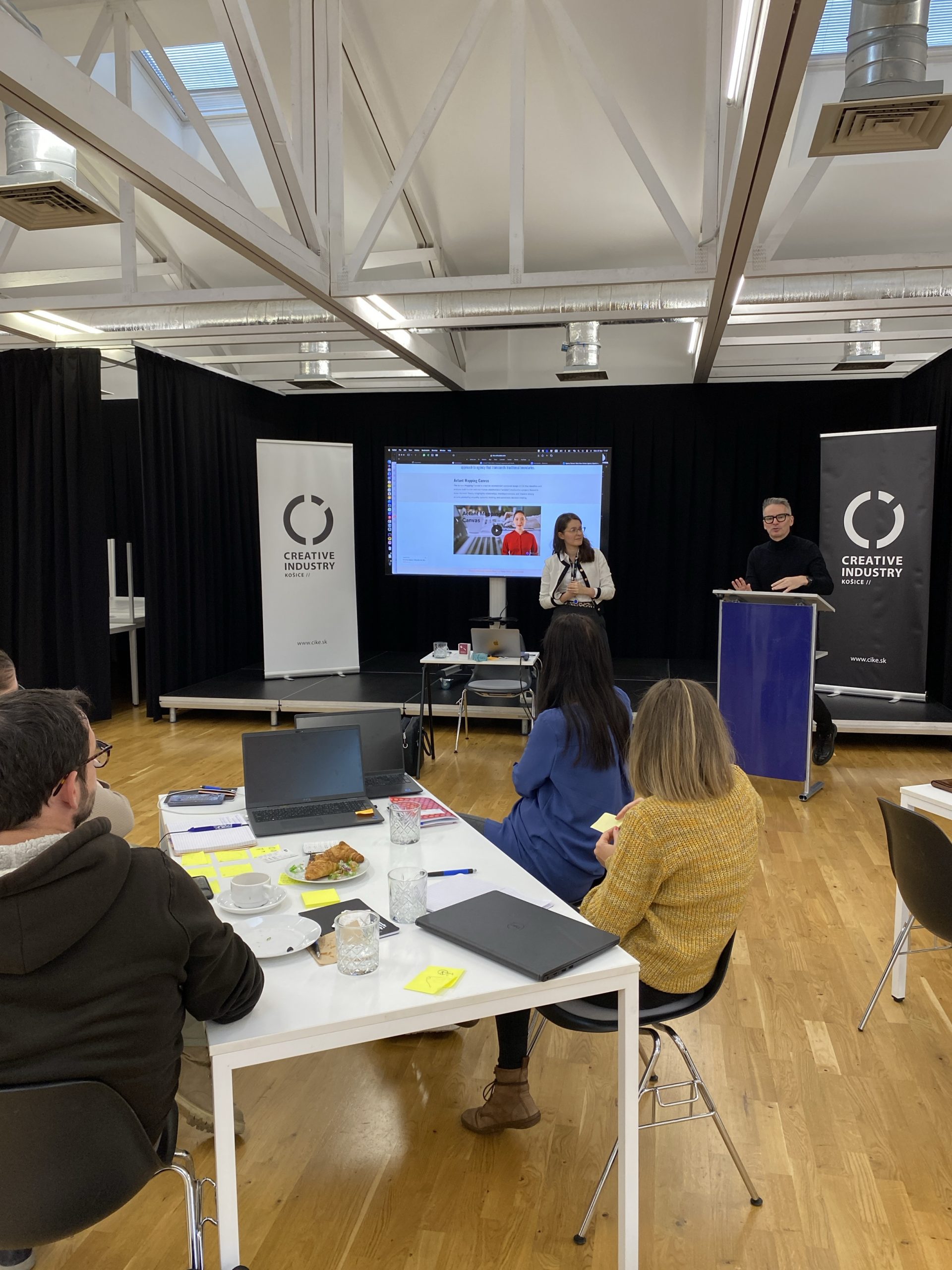
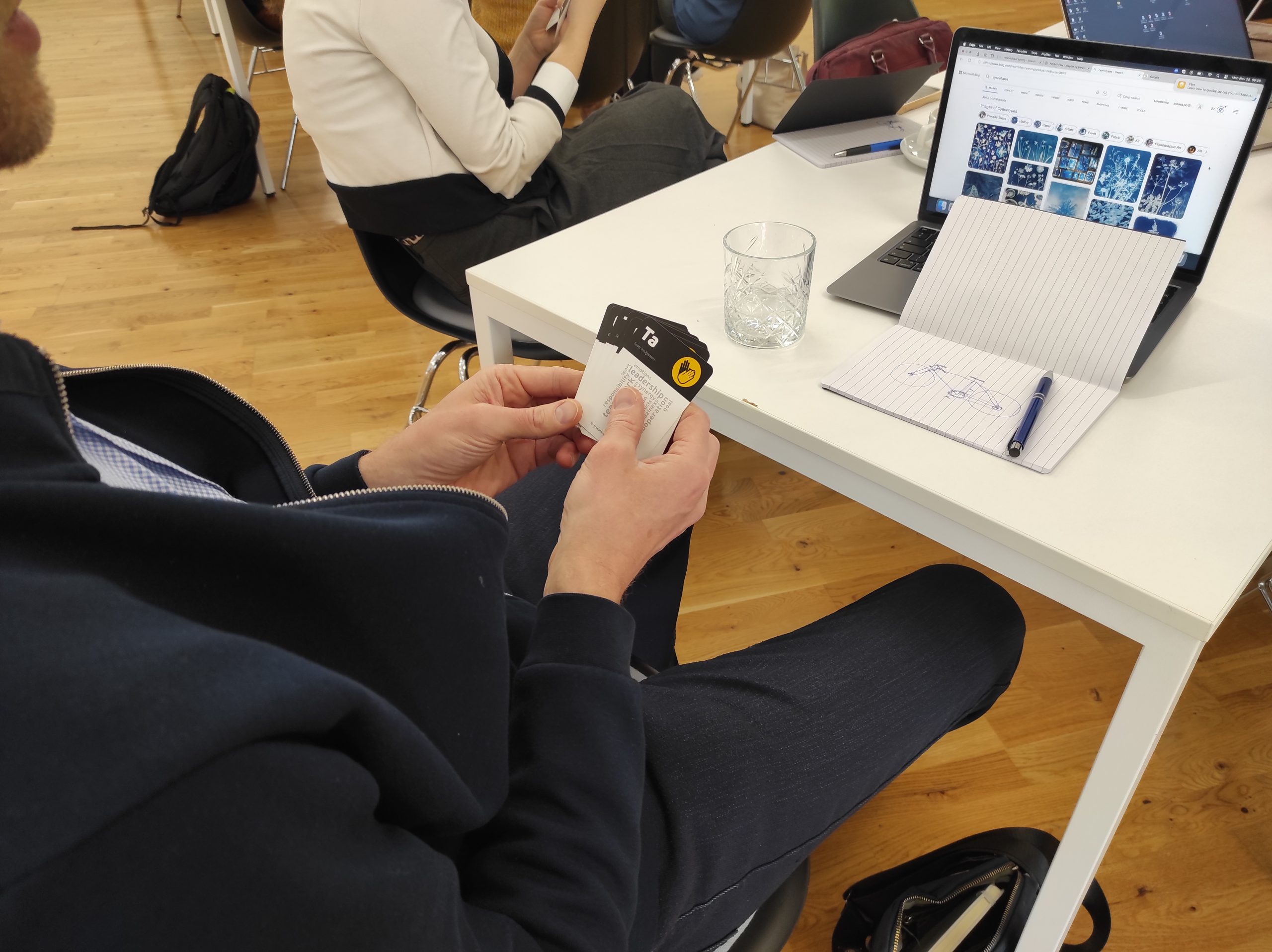
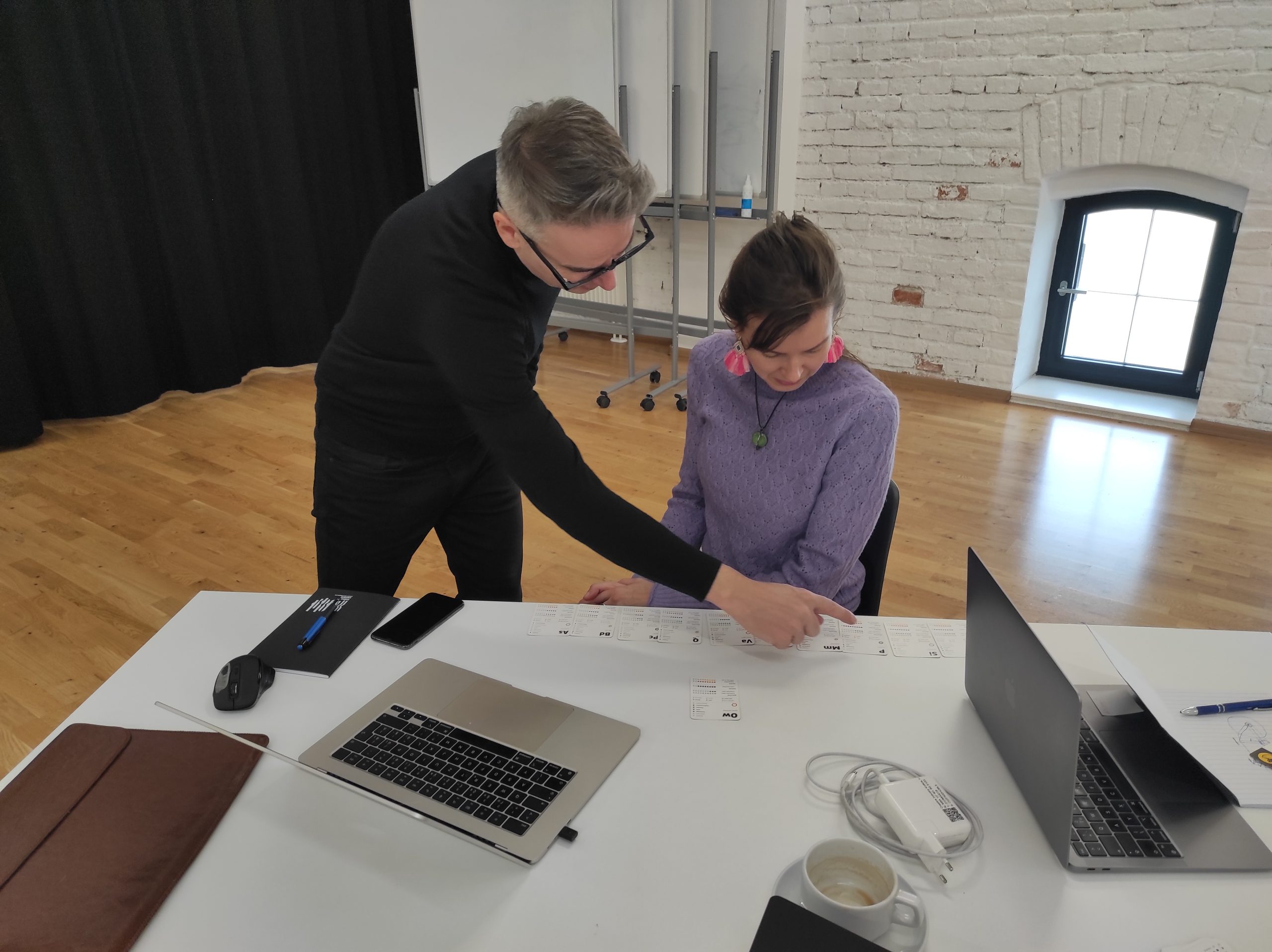
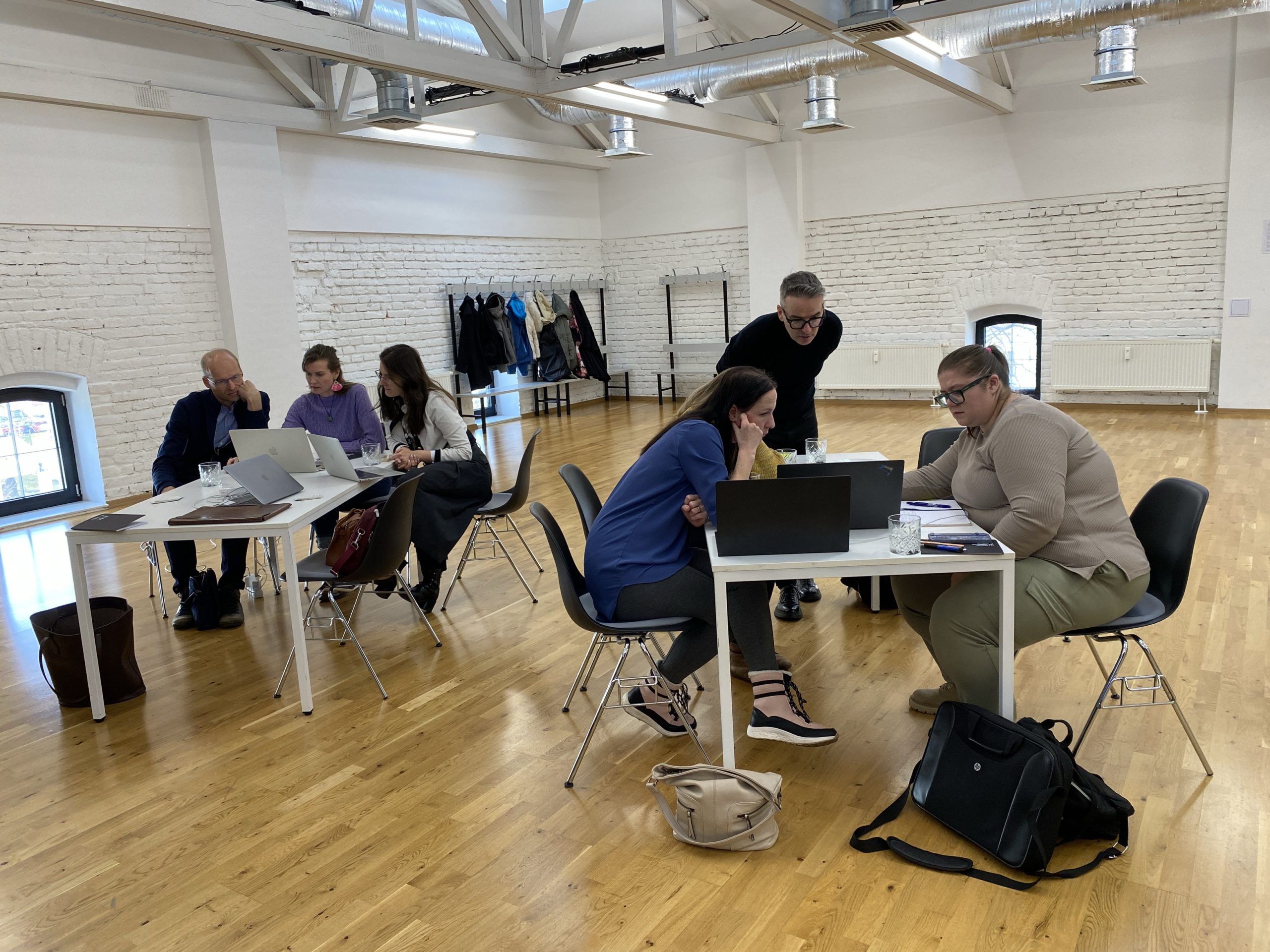
The pilot will also include short training and information sessions for local artists, introducing the CYANOTYPES Competence Framework and practical skills in sustainability, collaboration and narrative design. Artists will receive guidance on project development, co-creation methods and ways to extend their work into community or digital formats. Digital storytelling and online mapping will connect Vienna with other river cities.
The preparation phase runs until January 2026, including concept development, stakeholder meetings and funding applications. Logistics and festival planning continue until May 2026, followed by festival implementation from June to September 2026 and reporting to CYANOTYPES in September–October 2026.
Outcomes and early learning
Expected outcomes include the activation of underused riverfront areas as vibrant cultural spaces, enhanced skills and opportunities for local artists, stronger collaboration between art, environment and civic engagement, and greater public visibility for Vienna as a city leading in creative sustainability. The pilot may also become a yearly event in Vienna.
The pilot’s wider ambition is to bring citizens and interested organisations into closer contact with Vienna’s artist community, while supporting artists to connect their creative practice to sustainability, collaboration and public engagement.
Adding value
The pilot is valuable because it connects creative skills development with public space, ecology and civic imagination. Its strength lies in making the riverfront a shared site for artistic experimentation, community learning and regenerative cultural practice. It also shows how CYANOTYPES can support informal, festival-based and public-space learning, not only classroom or organisational training formats.
Possible policy recommendations
This pilot suggests that city governments, cultural departments and urban development actors should support riverfront and open-space cultural hubs as platforms for creative skills, ecological awareness and civic participation. Underused urban spaces can become learning environments where artists, citizens and organisations experiment with sustainability, collaboration and new cultural narratives.
Policy support could focus on funding public-space creative labs, simplifying permissions for temporary artistic use of urban spaces, supporting artist-led ecological programming, and connecting local initiatives to European networks of river-based cultural hubs. The Tides of the City pilot also points to the value of recurring formats: a yearly event could build trust, visibility and long-term competence development across Vienna’s creative and civic ecosystem.
“Creativity is not just a skill; it is a form of agency. The world is changing quickly, and we need frameworks that anticipate change.”
— David Crombie, CYANOTYPES Project Coordinator
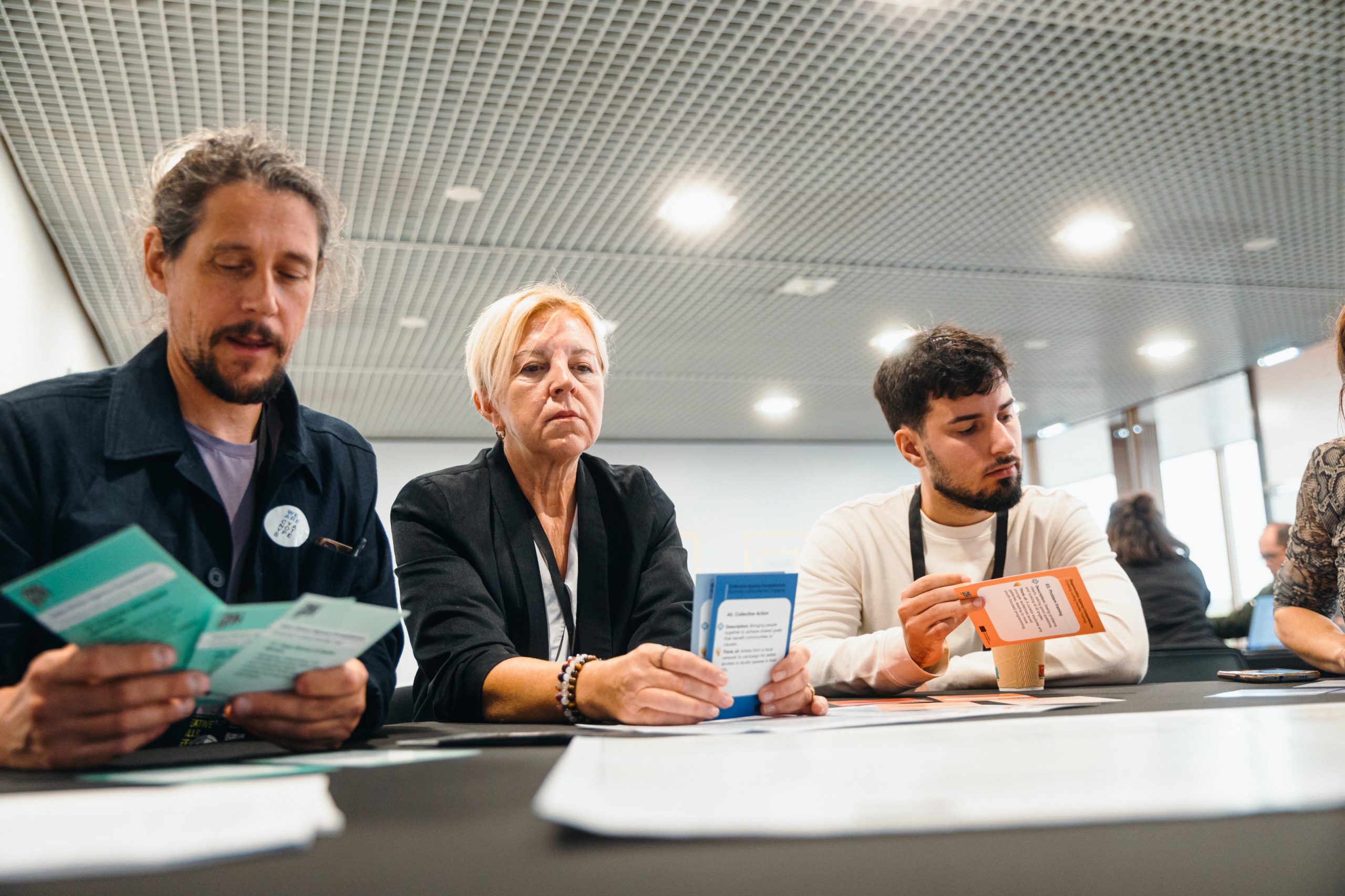
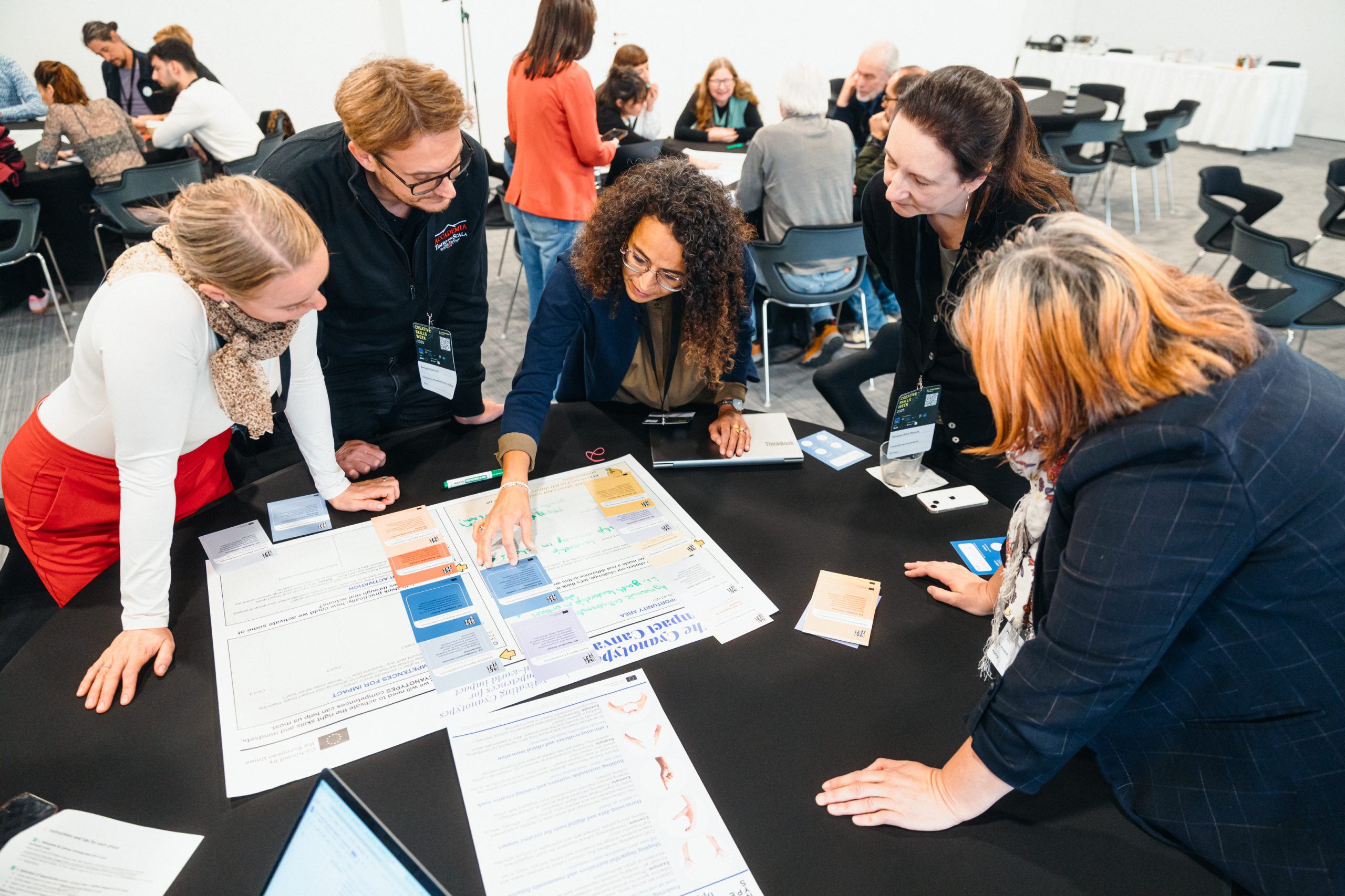
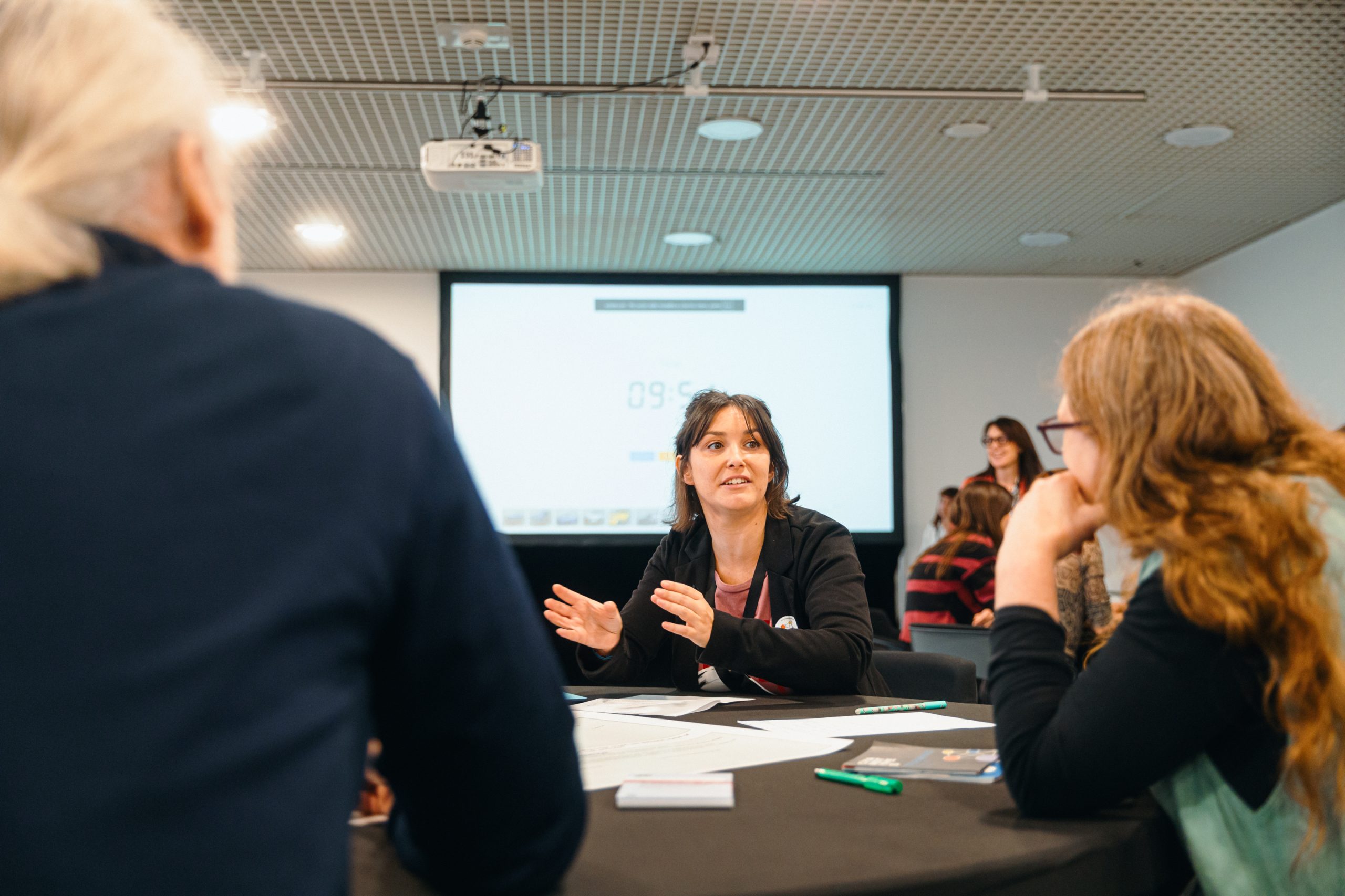
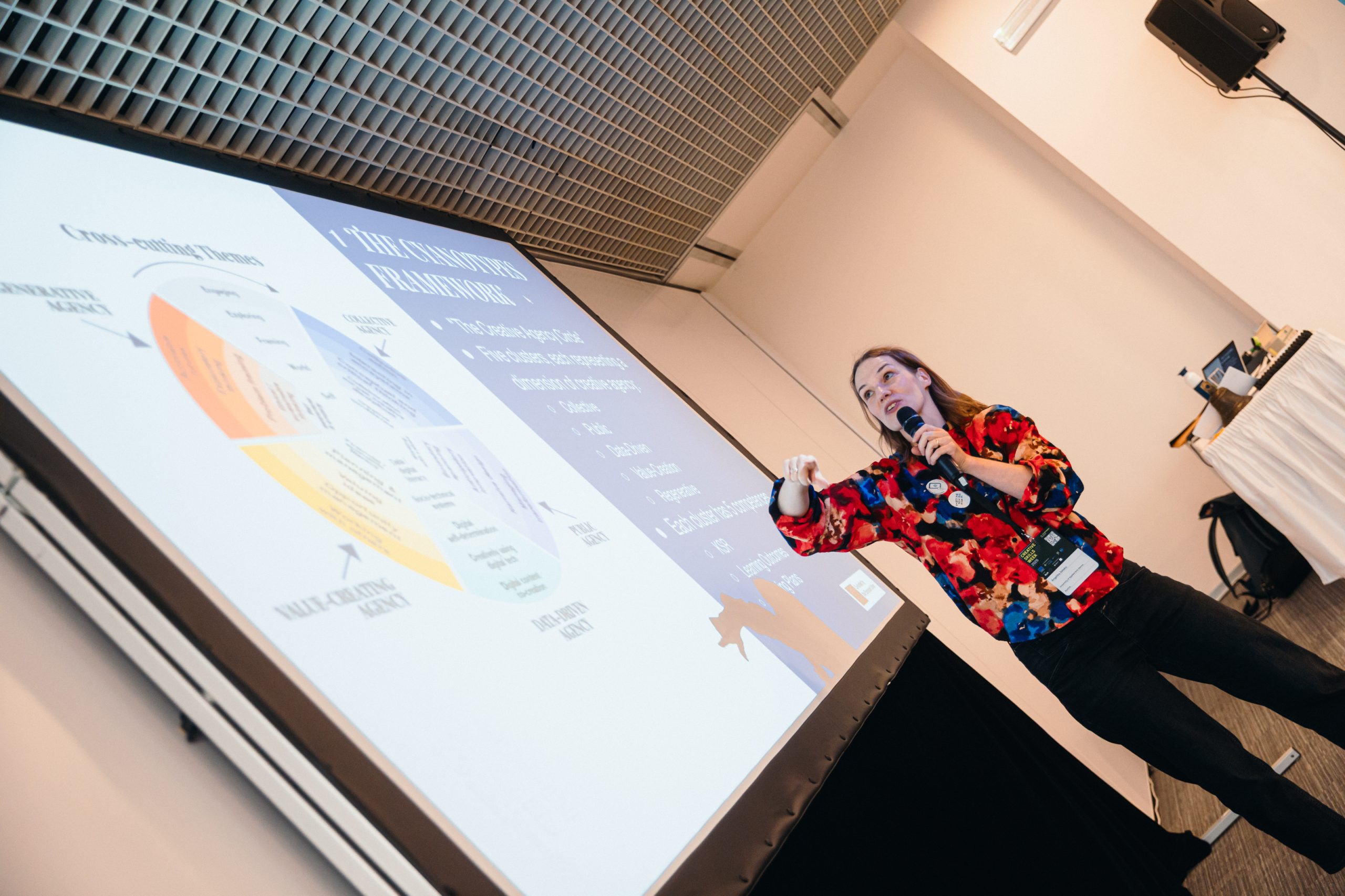
Take the challenge: Run a CYANOTYPES Pilot
The CYANOTYPES team invites networks and institutions to take the next step. Lead the transformation by testing and adapting the CYANOTYPES Framework in your own context through tailored Open Pilots.
Start by exploring the CYANOTYPES Toolkit, a practical resource offering frameworks, cards, and templates to guide your organisation through its own journey of unlearning and relearning.
If you are interested in piloting the CYANOTYPES Framework, register here. CYANOTYPES partners will get in touch with you.
Discover examples from partner pilots and scenarios that may help you design your own pilot:
Read updated practical information of the CYANOTYPES Framework: